

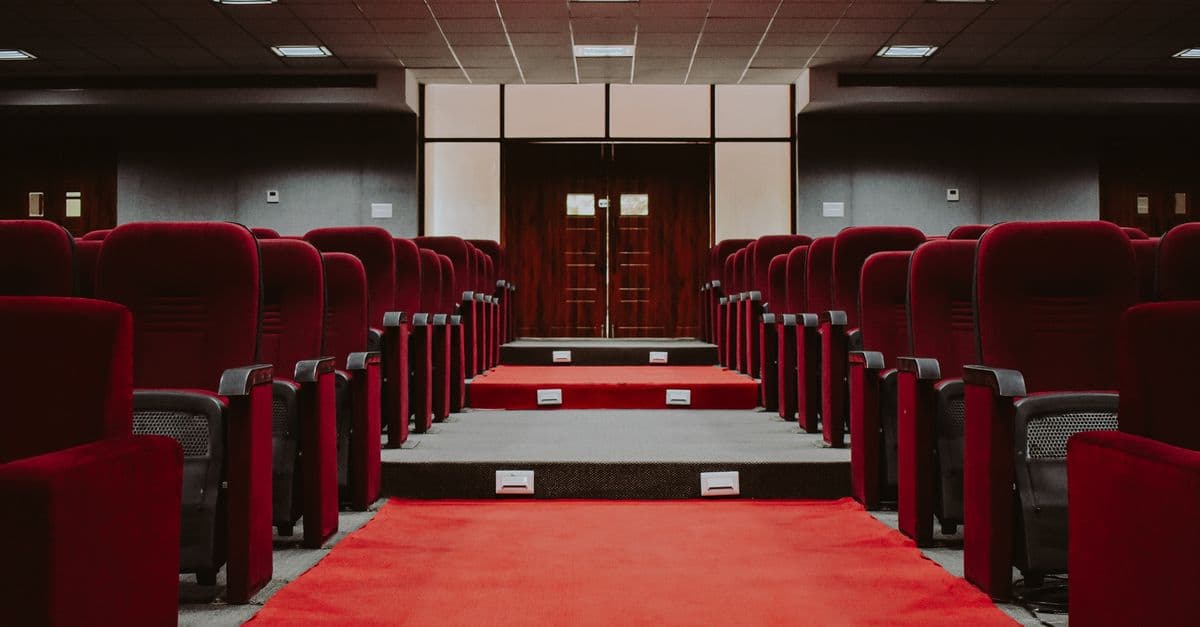
Auditorium Acoustic Design Optimizer
Optimize auditorium acoustics with reverberation analysis and intelligibility metrics
 by aharstad91Architecture & Built EnvironmentSpecialized DesignAcoustics ConsultantAuditorium/Performance
What You Can Do
You can conduct comprehensive acoustic evaluations of performance venues by analyzing reverberation times, calculating speech intelligibility scores, and identifying acoustic deficiencies. Claude generates venue-specific design recommendations for absorption treatments, material specifications, and architectural modifications that balance speech clarity with musical performance quality while accounting for variable occupancy conditions.
Features
Calculate optimal reverberation curves based on room volume and intended use (speech vs. music)
Evaluate clarity metrics using standards-based methods to ensure spoken word performance
Apply ISO 3382-compliant acoustic modeling for accurate performance prediction
Recommend absorption coefficients and finishing materials with acoustic properties tailored to design goals
Account for how audience presence affects acoustic performance across full and partial seating scenarios
Identify conflicts between aesthetic requirements and acoustic performance with mitigation strategies
Develop acoustic specifications that complement loudspeaker system design and placement
Translate technical acoustic requirements into contractor-ready specifications and phased construction recommendations
Example Output
Example 1: Concert Hall Reverberation Assessment Venue: 1,200-seat concert hall, 15,000 m³
- Current RT60 at 500 Hz (occupied): 2.1 seconds
- Target RT60 range: 1.8–2.2 seconds (optimal for classical music)
- Recommendation: Add 800 m² of mid-frequency absorption (125 Hz–1 kHz) using suspended fabric panels and wall treatments
- Expected improvement: Reduce excessive echo on stage, improve musical balance
Example 2: Speech Intelligibility Fix for Multipurpose Venue
- Current %ALCons (articulation loss of consonants): 12% (poor intelligibility)
- Target %ALCons: <5% (good intelligibility)
- Root cause: Long reverberation + hard reflecting surfaces at rear
- Solutions: Install acoustic ceiling tiles (NRC 0.8), add rear wall fabric absorption, relocate speaker position 2m forward
- Estimated cost impact: Moderate; phased implementation recommended
Example 3: Material Specification Summary Wall absorbers: 100mm rockwool + 12mm MDF perforated facing (α = 0.65 @ 500 Hz) Ceiling treatment: Suspended wooden slats with 75mm fiberglass batt (α = 0.55 @ 1 kHz) Expected combined effect: 2.1s → 1.9s RT60 occupied condition
What's Included
- SKILL.md instruction file with acoustic analysis framework:
- Reverberation Calculation Template: Pre-configured Sabine/Eyring worksheets for venue-specific RT60 targets
- Speech Intelligibility Assessment Checklist: Step-by-step evaluation using %ALCons and STI metrics
- Material Absorption Database Reference: Common finishes with acoustic coefficients by frequency band
- Acoustic Design Recommendation Framework: Structured template for documenting findings, trade-offs, and phased implementation
Who It's For
- Acoustics consultants and engineers designing or renovating performance venues
- Architects developing feasibility studies and design concepts for auditoriums and concert halls
- Theater technical directors troubleshooting acoustic problems in existing venues
- Venue managers evaluating acoustic upgrades to improve performance quality
- Sound system designers integrating architectural acoustics with reinforcement specifications
Best For
- Auditorium acoustic assessments and feasibility studies
- Reverberation time optimization for speech clarity vs. musical warmth
- Material and finish selection for acoustic performance
- Sound-absorbing treatment specification and placement planning
- Variable-use venue acoustic flexibility analysis and recommendations
- Acoustic problem diagnosis and solution development for existing venues
You might also like
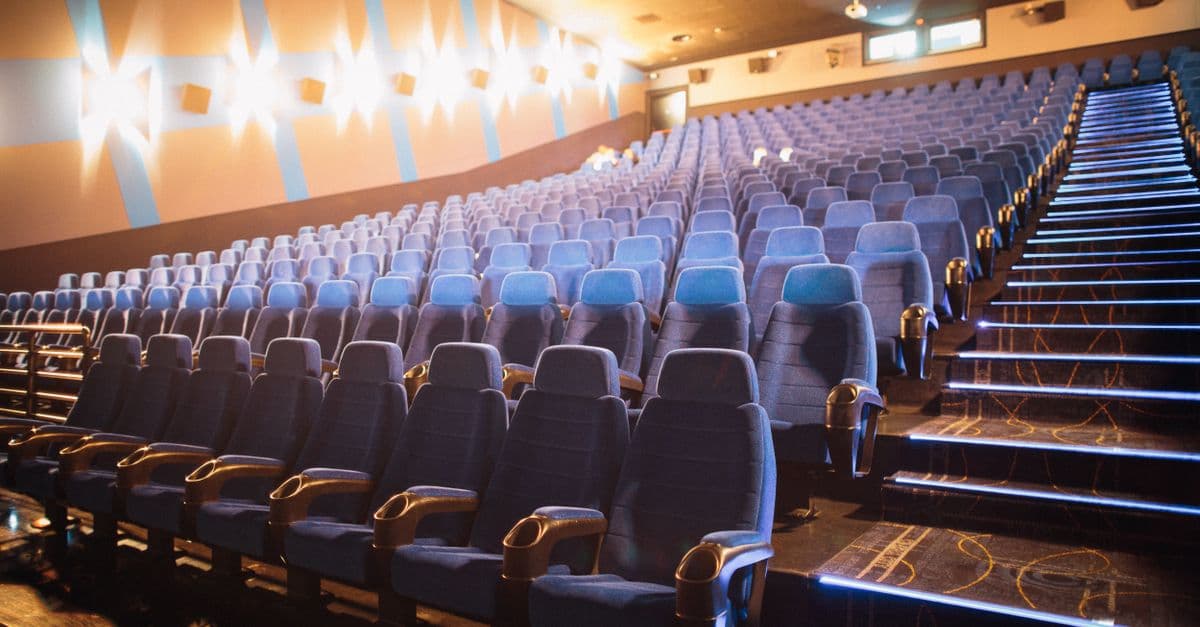
You can systematically evaluate auditorium acoustic performance by inputting measured data (impulse response, RT60, speech intelligibility metrics) or simulation results, then receive detailed analysis identifying specific frequency-dependent problems, quantified deviations from ISO 3382 and AES standards, and prioritized remediation strategies. Claude cross-references your data against performance benchmarks and generates technical justifications suitable for architect presentations, client reports, and construction specifications.
by aharstad91
You can generate complete environmental noise impact assessments (NIAs) that characterize baseline conditions, identify noise sources, map sensitive receptors, interpret predictive modeling outputs, and evaluate compliance against EPA guidelines, OSHA standards, and local ordinances. The framework guides you through cumulative impact analysis and helps you develop technically defensible mitigation recommendations that balance regulatory requirements with project feasibility and budget constraints.
by aharstad91
You can conduct rigorous post-incident fire investigations by systematically documenting burn patterns, analyzing fire dynamics, and evaluating ignition sources against physical evidence. This skill helps you reconstruct fire spread, eliminate alternative hypotheses, and structure defensible conclusions for expert testimony and litigation. You'll apply forensic methodology that meets industry standards and produces findings suitable for legal proceedings.
by aharstad91
You can map thermal bridge locations in building envelopes, quantify their effect on overall facade thermal performance (U-value degradation), assess condensation formation risk through surface temperature analysis, and develop detailed mitigation strategies aligned with energy codes and construction feasibility. Claude helps you bridge the gap between idealized thermal calculations and actual building performance by integrating linear and point thermal transmittance into energy models.
by aharstad91
You can input architectural parameters, environmental data, and code requirements to automatically calculate simultaneous loads on glass assemblies, determine minimum glass thickness and support specifications, and generate glazing schedules and stress reports. This eliminates manual load case combinations and identifies design conflicts before fabrication, ensuring compliance with building codes and reducing engineering rework.
by aharstad91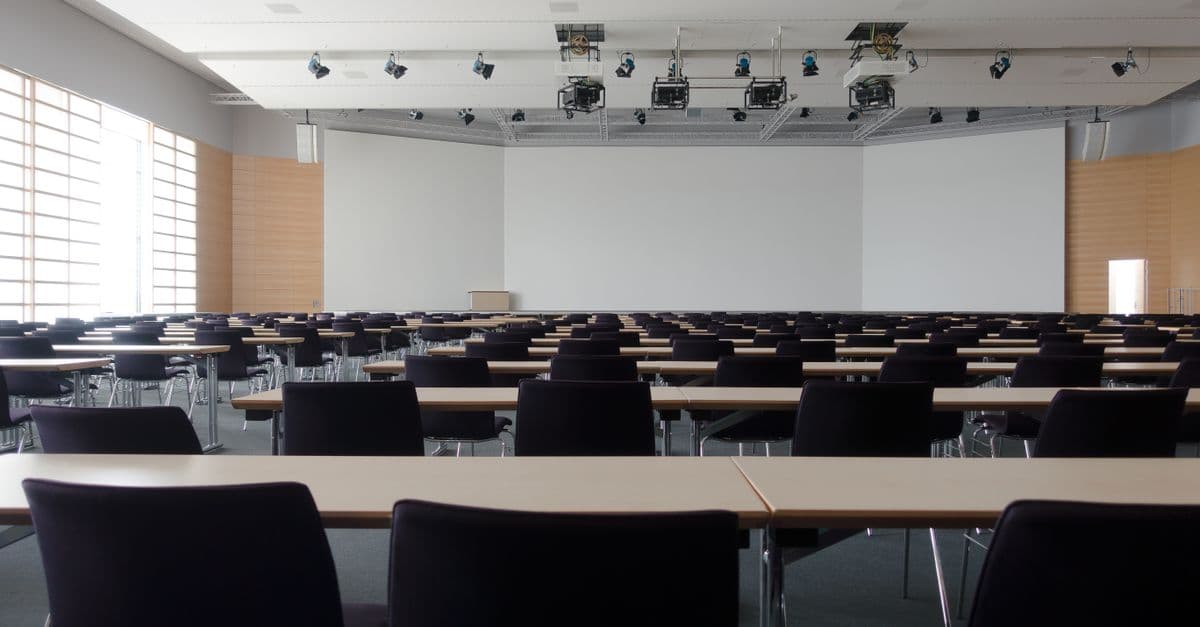
You can systematically evaluate room acoustic conditions by calculating reverberation times (RT60) using Sabine formulas, identifying problem frequencies and room modes, analyzing absorption material performance across frequency ranges, and generating detailed acoustic treatment specifications with scientific justification. The skill produces professional-grade acoustic solutions tailored to your space constraints, budget, and performance targets while maintaining compliance with standards like ISO 3382 and ASTM C423.
by aharstad91
You can translate landscape lighting requirements into complete technical specifications, including precise foot-candle calculations for different zones, optimal fixture placement strategies, electrical circuit planning with voltage drop analysis, and energy consumption modeling. The skill ensures designs comply with IESNA standards, NFPA codes, and local dark-sky ordinances while balancing aesthetic impact with operational efficiency.
by aharstad91
You can rapidly evaluate smoke control system designs by calculating required pressurization differentials, airflow requirements, and fan capacity specifications. The skill validates compliance against NFPA 92, IBC Chapter 9, and local amendments while analyzing integration points with HVAC and fire alarm systems. It identifies design gaps, suggests optimization opportunities, and generates technical documentation to support the full design lifecycle from concept through commissioning.
by aharstad91