

Environmental Noise Impact Assessment Framework
Create defensible environmental noise impact assessments with regulatory compliance mapping
What You Can Do
You can generate complete environmental noise impact assessments (NIAs) that characterize baseline conditions, identify noise sources, map sensitive receptors, interpret predictive modeling outputs, and evaluate compliance against EPA guidelines, OSHA standards, and local ordinances. The framework guides you through cumulative impact analysis and helps you develop technically defensible mitigation recommendations that balance regulatory requirements with project feasibility and budget constraints.
Features
Establish sound environment conditions across residential, commercial, ecological, and sensitive receptor areas
Evaluate project against EPA guidelines, OSHA standards, state regulations, and local ordinances across multiple jurisdictions
Validate and translate outputs from SoundPLAN, CadnaA, Predictor, CONCAWE, and other acoustical modeling tools
Classify sensitive receptors (schools, hospitals, wildlife habitats, cultural sites) and assess exposure
Evaluate combined noise effects from multiple concurrent sources and existing background conditions
Design evidence-based interventions (barriers, source reduction, operational controls) with feasibility and cost analysis
Produce technical reports that satisfy planning authorities, regulatory agencies, and community review standards
Example Output
Baseline Noise Assessment Output:
- Current ambient levels: 62 dB(A) daytime, 54 dB(A) nighttime residential area
- Primary sources: highway traffic (65%), commercial HVAC (20%), construction (15%)
- Sensitive receptors identified: 3 schools within 500m, 1 hospital within 1km, residential zone boundary at 200m
Regulatory Compliance Analysis:
- EPA guideline compliance: EXCEEDS for residential (proposed 72 dB vs. 55 dB limit)
- State standard assessment: FAILS nighttime requirement (predicted 58 dB vs. 45 dB limit)
- Local ordinance review: Requires conditional use permit with mitigation plan
Mitigation Recommendations:
- Install 6m acoustic barrier along property line (reduces 8-12 dB) — Cost: $150K, Timeline: 4 months
- Restrict heavy vehicle hours to 7am-6pm (reduces cumulative 4 dB) — Operational control, no capital cost
- Implement source muffling on HVAC units (reduces 5-7 dB) — Cost: $25K, Timeline: 2 months
- Combined effect: Achieves 58 dB daytime, 48 dB nighttime (compliant with state standards)
What's Included
- Complete SKILL.md instruction file with NIA framework and compliance mapping protocols:
- Baseline noise characterization template with receptor classification matrix:
- Regulatory compliance checklist (EPA, OSHA, state, and local standards comparison):
- Predictive modeling validation worksheet (data quality assessment, uncertainty analysis):
- Mitigation strategy design template with cost-benefit analysis framework:
- Cumulative impact assessment worksheet for multi-source scenarios:
- Stakeholder report template formatted for planning authority submission:
Who It's For
- Environmental consultants and acoustics engineers preparing impact assessments for development permits
- Project managers evaluating noise compliance requirements during design and planning phases
- Environmental compliance specialists assessing regulatory risk for industrial and transportation projects
- Urban planners and municipal staff reviewing noise impacts in zoning and development decisions
- Real estate developers identifying mitigation costs and feasibility for noise-sensitive sites
Best For
- Developing baseline noise characterizations for residential, commercial, and mixed-use developments
- Interpreting and validating outputs from acoustical modeling software (SoundPLAN, CadnaA, Predictor)
- Evaluating compliance across multiple regulatory jurisdictions with conflicting standards
- Designing feasible mitigation strategies within budget and timeline constraints
- Preparing defensible technical documentation for planning authority and stakeholder review
You might also like
You can systematically evaluate auditorium acoustic performance by inputting measured data (impulse response, RT60, speech intelligibility metrics) or simulation results, then receive detailed analysis identifying specific frequency-dependent problems, quantified deviations from ISO 3382 and AES standards, and prioritized remediation strategies. Claude cross-references your data against performance benchmarks and generates technical justifications suitable for architect presentations, client reports, and construction specifications.
 by aharstad91
You can map thermal bridge locations in building envelopes, quantify their effect on overall facade thermal performance (U-value degradation), assess condensation formation risk through surface temperature analysis, and develop detailed mitigation strategies aligned with energy codes and construction feasibility. Claude helps you bridge the gap between idealized thermal calculations and actual building performance by integrating linear and point thermal transmittance into energy models.
by aharstad91
You can input architectural parameters, environmental data, and code requirements to automatically calculate simultaneous loads on glass assemblies, determine minimum glass thickness and support specifications, and generate glazing schedules and stress reports. This eliminates manual load case combinations and identifies design conflicts before fabrication, ensuring compliance with building codes and reducing engineering rework.
by aharstad91
You'll conduct comprehensive corporate space assessments that synthesize employee needs, business workflows, brand strategy, and budget realities into actionable design solutions. Claude helps you diagnose spatial performance issues, generate evidence-based recommendations, validate design choices against measurable outcomes, and create scalable guidelines for multi-location implementations. You'll move beyond aesthetic preferences to deliver spaces that demonstrably support productivity, wellness, and organizational goals.
by aharstad91
You can conduct comprehensive acoustic compliance assessments for building projects by evaluating designs against applicable codes (IBC, local ordinances, ANSI standards), identifying sound transmission class (STC) and noise criteria (NC) deficiencies, and recommending prioritized mitigation strategies with cost-benefit analysis. This skill structures your assessment to capture environmental noise exposure, internal noise levels, speech intelligibility, vibration isolation, and impact sound transmission—delivering actionable compliance documentation for permitting, certification, or remediation planning.
by aharstad91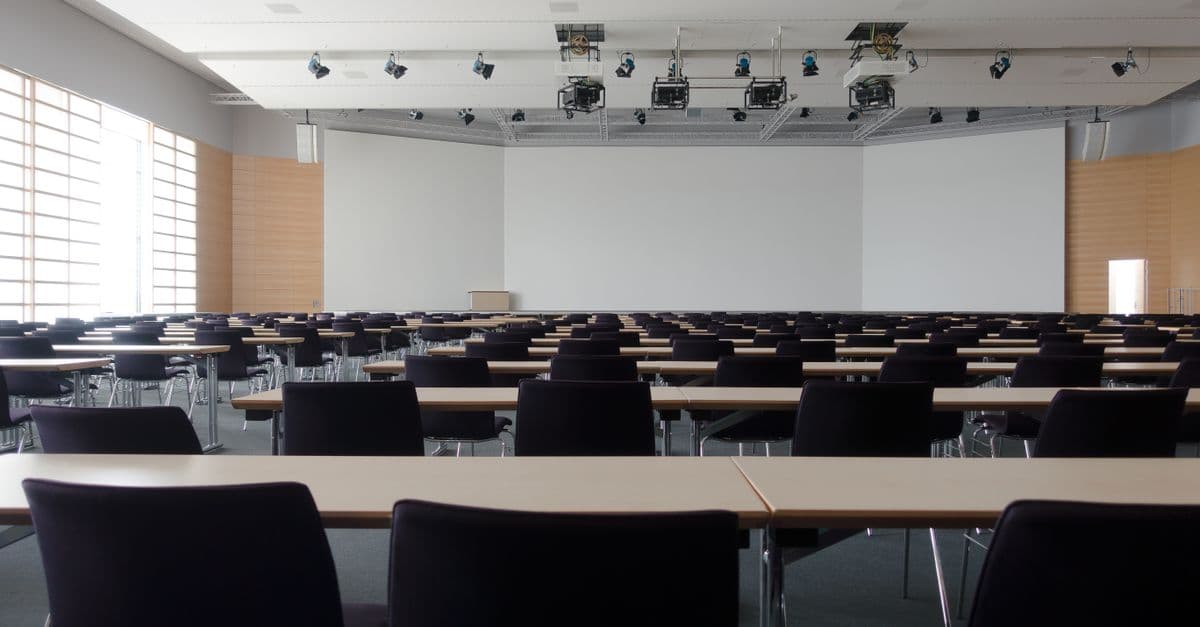
You can systematically evaluate room acoustic conditions by calculating reverberation times (RT60) using Sabine formulas, identifying problem frequencies and room modes, analyzing absorption material performance across frequency ranges, and generating detailed acoustic treatment specifications with scientific justification. The skill produces professional-grade acoustic solutions tailored to your space constraints, budget, and performance targets while maintaining compliance with standards like ISO 3382 and ASTM C423.
by aharstad91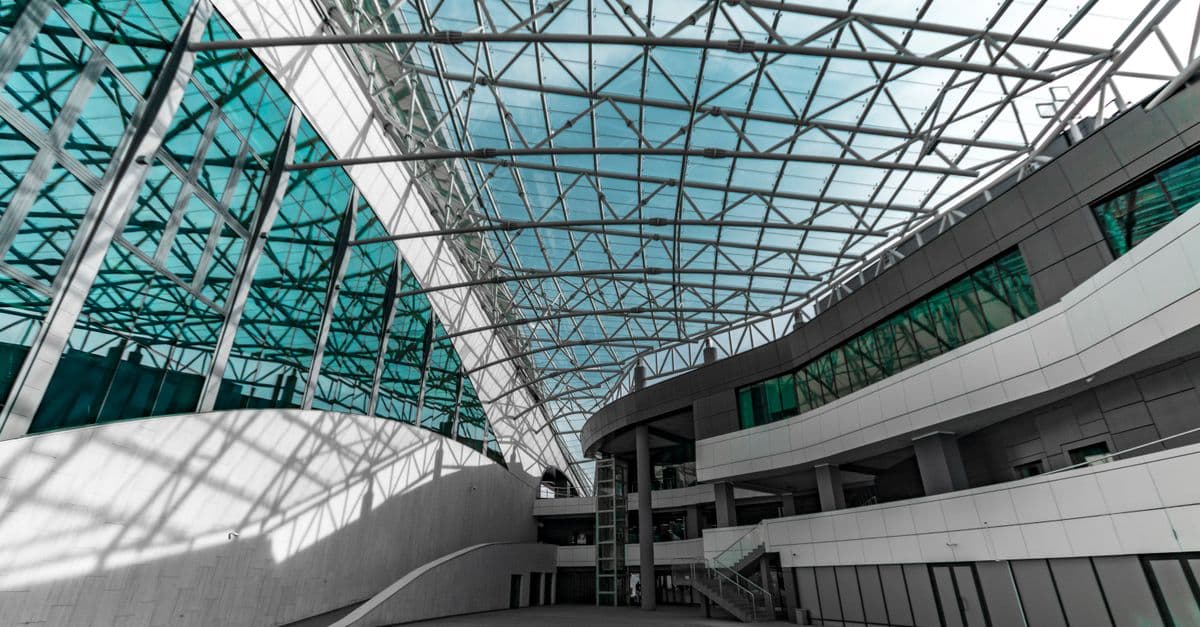
You can systematically evaluate natural light performance in building spaces by calculating daylight availability, assessing visual comfort metrics, and managing solar thermal loads. The skill guides you through measurable daylighting performance indicators—daylight factor, illuminance levels, uniformity ratios—and translates them into actionable glazing recommendations for architects and engineers that comply with LEED, WELL Building Standard, and European building codes.
by aharstad91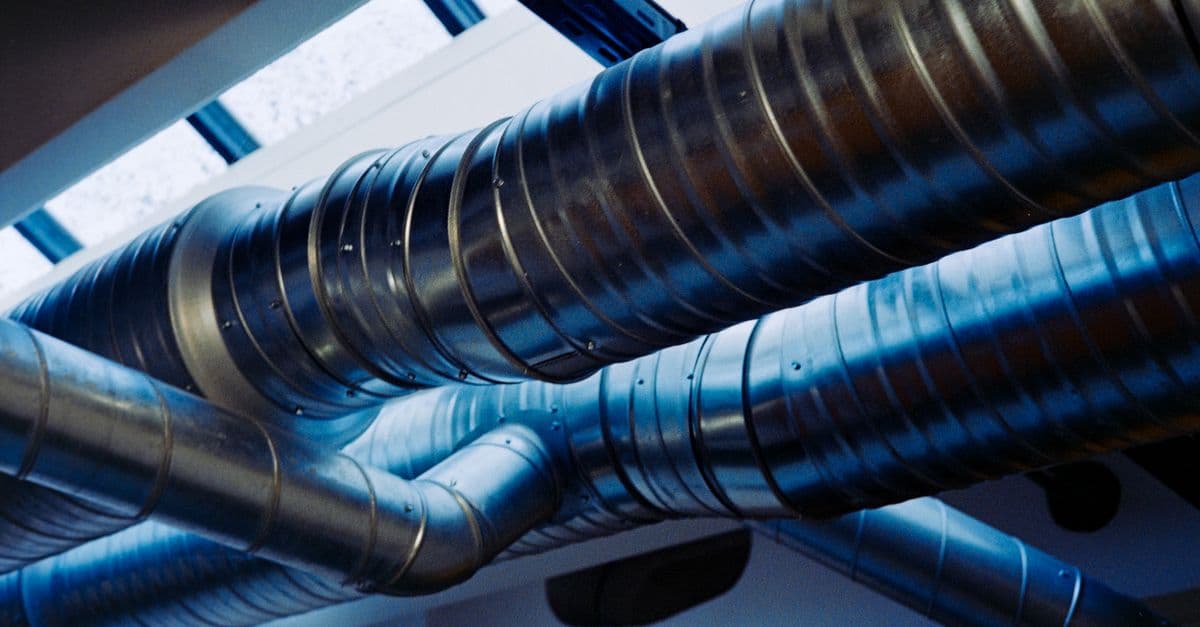
You can rapidly evaluate smoke control system designs by calculating required pressurization differentials, airflow requirements, and fan capacity specifications. The skill validates compliance against NFPA 92, IBC Chapter 9, and local amendments while analyzing integration points with HVAC and fire alarm systems. It identifies design gaps, suggests optimization opportunities, and generates technical documentation to support the full design lifecycle from concept through commissioning.
by aharstad91