

Landscape Lighting Design Optimizer
Generate photometric analysis and fixture placement specs for landscape lighting designs
What You Can Do
You can translate landscape lighting requirements into complete technical specifications, including precise foot-candle calculations for different zones, optimal fixture placement strategies, electrical circuit planning with voltage drop analysis, and energy consumption modeling. The skill ensures designs comply with IESNA standards, NFPA codes, and local dark-sky ordinances while balancing aesthetic impact with operational efficiency.
Features
calculates foot-candle distribution across landscape zones (accent, task, safety)
determines ideal positions and aiming angles for even light distribution and visual impact
layouts circuits with voltage drop calculations and amperage load assessment
projects annual operating costs, wattage requirements, and ROI for fixture selections
ensures designs meet IESNA guidelines, NFPA codes, and local dark-sky regulations
recommends specific fixture types and wattages with technical justification
generates fixture inspection and lamp replacement timelines
produces client-ready technical reports bridging conceptual plans and installation specs
Example Output
Input: Residential backyard 60ft × 40ft, mixed plantings, existing 100-amp service 80ft from site, accent lighting on specimen trees and task lighting along walkway.
Output:
Photometric Analysis:
- Specimen tree accent zones: 5–10 fc, achieved with (2) 50W LED spotlights per tree at 15° aiming angle
- Walkway task lighting: 3–5 fc horizontal, (4) 20W bollard fixtures at 8ft spacing
- Ambient buffer areas: 0.5–1 fc ambient
Fixture Placement Plan:
- Tree A (35ft from service): 50W PAR38 LED (5000K, 40° beam), positioned 6ft from trunk, aimed 25° upward
- Walkway circuit: 20W warm-white bollards (2700K) at 0–8ft, 8–16ft, 16–24ft, 24–32ft stations
Electrical Design:
- 12 AWG direct burial, 3 circuits (80A sub-panel), total load 340W, voltage drop 2.1% (acceptable)
- Low-voltage option: 12V transformer w/ 10 AWG cable reduces voltage drop to 0.8%
Energy Analysis:
- Annual operating hours: 4,015 (dusk to 11 PM, 365 days)
- LED system energy: 1,367 kWh/year at $0.14/kWh = $191/year
- Halogen equivalent would cost $847/year (77% savings)
- ROI on LED fixtures: 3.2 years
What's Included
- SKILL.md instruction file with skill overview and usage guidelines:
- Photometric calculation template: foot-candle requirements by zone type and fixture type reference
- Fixture placement spreadsheet: coordinate mapping, aiming angles, and beam spread calculations
- Electrical circuit planning checklist: voltage drop calculator, amperage load sheet, wire gauge selector
- Energy modeling worksheet: annual hours calculator, kWh projections, cost-benefit analysis
- Compliance reference guide: IESNA/NFPA code summaries, dark-sky ordinance checklist, local regulation prompts
Who It's For
- Landscape lighting designers — creating detailed specifications and technical justifications for client projects
- Landscape architects — integrating lighting design into comprehensive site plans with photometric confidence
- Electrical contractors — translating design intent into circuit layouts, load calculations, and installation specs
- Residential/commercial property managers — evaluating retrofit or upgrade projects with energy impact modeling
- Design-build firms — accelerating project delivery with data-driven fixture selection and placement
Best For
- Photometric analysis and foot-candle calculations for landscape zones
- Fixture placement optimization balancing aesthetics and energy efficiency
- Electrical circuit planning with voltage drop and amperage assessment
- Compliance verification against IESNA, NFPA, and dark-sky regulations
- Energy cost projections and ROI analysis for LED vs. halogen fixture decisions
- Client documentation and technical reports for design justification
- Maintenance scheduling and fixture lifecycle planning
You might also like
You can systematically evaluate auditorium acoustic performance by inputting measured data (impulse response, RT60, speech intelligibility metrics) or simulation results, then receive detailed analysis identifying specific frequency-dependent problems, quantified deviations from ISO 3382 and AES standards, and prioritized remediation strategies. Claude cross-references your data against performance benchmarks and generates technical justifications suitable for architect presentations, client reports, and construction specifications.
 by aharstad91
You can generate complete environmental noise impact assessments (NIAs) that characterize baseline conditions, identify noise sources, map sensitive receptors, interpret predictive modeling outputs, and evaluate compliance against EPA guidelines, OSHA standards, and local ordinances. The framework guides you through cumulative impact analysis and helps you develop technically defensible mitigation recommendations that balance regulatory requirements with project feasibility and budget constraints.
by aharstad91
You can conduct rigorous post-incident fire investigations by systematically documenting burn patterns, analyzing fire dynamics, and evaluating ignition sources against physical evidence. This skill helps you reconstruct fire spread, eliminate alternative hypotheses, and structure defensible conclusions for expert testimony and litigation. You'll apply forensic methodology that meets industry standards and produces findings suitable for legal proceedings.
by aharstad91
You can map thermal bridge locations in building envelopes, quantify their effect on overall facade thermal performance (U-value degradation), assess condensation formation risk through surface temperature analysis, and develop detailed mitigation strategies aligned with energy codes and construction feasibility. Claude helps you bridge the gap between idealized thermal calculations and actual building performance by integrating linear and point thermal transmittance into energy models.
by aharstad91
You can input architectural parameters, environmental data, and code requirements to automatically calculate simultaneous loads on glass assemblies, determine minimum glass thickness and support specifications, and generate glazing schedules and stress reports. This eliminates manual load case combinations and identifies design conflicts before fabrication, ensuring compliance with building codes and reducing engineering rework.
by aharstad91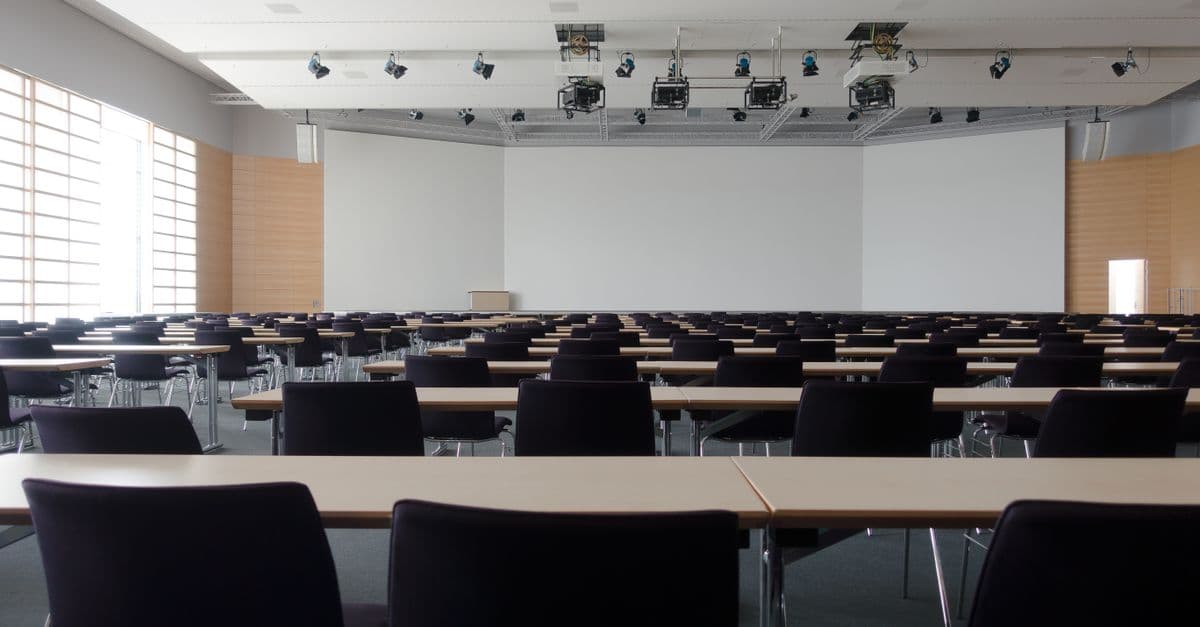
You can systematically evaluate room acoustic conditions by calculating reverberation times (RT60) using Sabine formulas, identifying problem frequencies and room modes, analyzing absorption material performance across frequency ranges, and generating detailed acoustic treatment specifications with scientific justification. The skill produces professional-grade acoustic solutions tailored to your space constraints, budget, and performance targets while maintaining compliance with standards like ISO 3382 and ASTM C423.
by aharstad91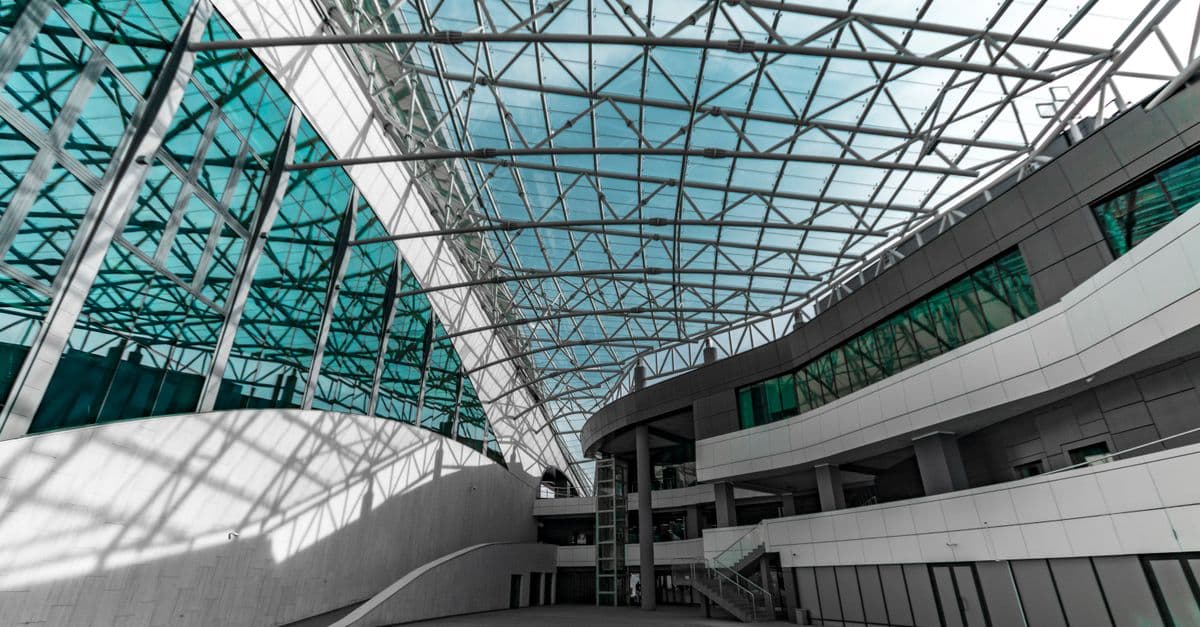
You can systematically evaluate natural light performance in building spaces by calculating daylight availability, assessing visual comfort metrics, and managing solar thermal loads. The skill guides you through measurable daylighting performance indicators—daylight factor, illuminance levels, uniformity ratios—and translates them into actionable glazing recommendations for architects and engineers that comply with LEED, WELL Building Standard, and European building codes.
by aharstad91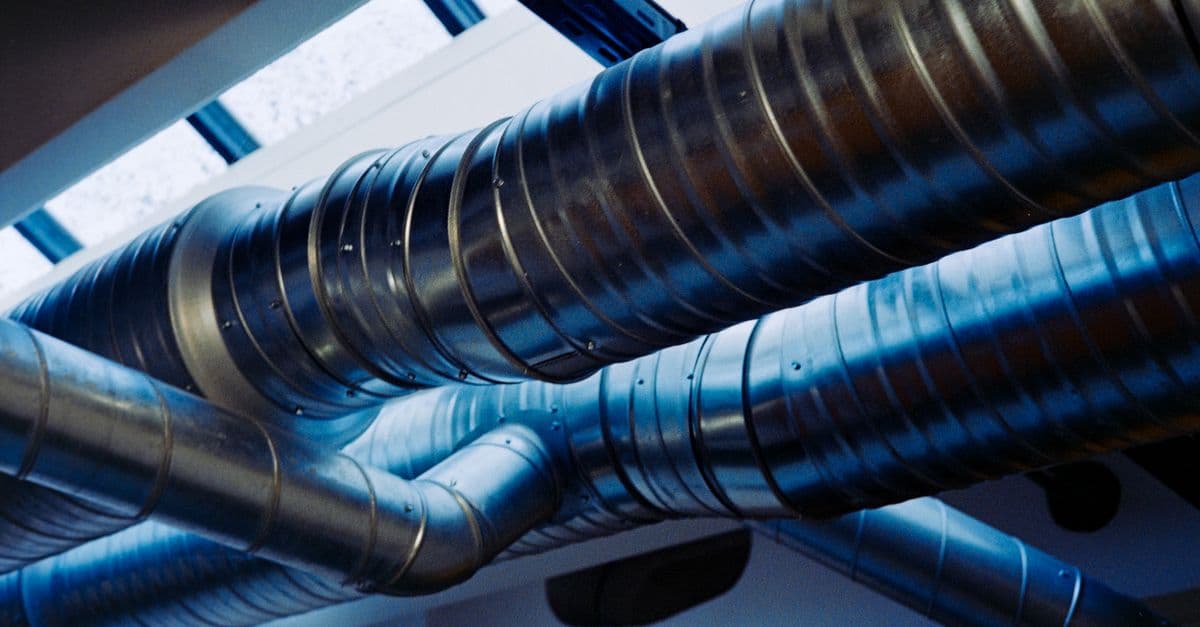
You can rapidly evaluate smoke control system designs by calculating required pressurization differentials, airflow requirements, and fan capacity specifications. The skill validates compliance against NFPA 92, IBC Chapter 9, and local amendments while analyzing integration points with HVAC and fire alarm systems. It identifies design gaps, suggests optimization opportunities, and generates technical documentation to support the full design lifecycle from concept through commissioning.
by aharstad91