

Battery Thermal Management System Analysis & Optimization
Analyze battery thermal performance, predict hotspots, and optimize cooling strategies
What You Can Do
You can model thermal behavior across battery energy storage systems (BESS), predict hotspot locations under peak charge/discharge conditions, and design cooling strategies that balance safety margins with efficiency. Claude helps you analyze thermal stress impacts on cycle life, evaluate cooling technologies (air, liquid, phase-change), and validate system performance against safety thresholds—enabling data-driven decisions for both new installations and field troubleshooting.
Features
identify where excessive heat concentrates in battery arrays and calculate temperature rise under various operating conditions
compare air cooling, liquid cooling, and phase-change material approaches with parasitic load analysis and cost-benefit tradeoffs
model thermal runaway risk thresholds and verify system design against extreme conditions (high ambient temperature, peak charge rates)
quantify degradation acceleration from thermal stress using chemistry-specific aging models
evaluate thermal gradients across large installations and recommend balancing techniques
calculate HVAC and cooling capacity requirements for battery containers and enclosures
diagnose unexpected temperature rise or performance loss by correlating thermal behavior with operational patterns
Example Output
Example 1: Thermal Hotspot Analysis
Input: 500 kWh LiFePO₄ system, 2C discharge rate, ambient 35°C
Output:
- Pack average temperature: 52°C
- Hotspot (series string center): 58°C
- Predicted hotspot zone: center modules in high-current series strings
- Risk assessment: Below thermal runaway threshold (80°C) with 22°C safety margin
- Recommendation: Implement inter-module thermal baffles to reduce gradient by 4°C
Example 2: Cooling Technology Comparison
| Technology | Capacity | Parasitic Loss | Cost/kWh | Recommendation |
|---|---|---|---|---|
| Air Cooling | 50 kW | 8-12% | $45-60 | Suitable for <1 MWh, natural convection |
| Liquid Cooling | 150 kW | 3-5% | $80-120 | Required for >2 MWh or >30 min constant discharge |
| Phase-Change | 20 kW | 0% active | $150-200 | Supplement for peak shaving, limited duration |
Example 3: Cycle Life Impact Report
Baseline (55°C): 5,000 cycles to 80% capacity
With thermal stress (65°C avg, 75°C peaks): 3,200 cycles to 80% capacity
Impact: 36% reduction in usable cycle life = $145,000 lost revenue over system lifetime
Mitigation: Upgrade to liquid cooling → restores 4,800 cycles, ROI in 3.2 years
What's Included
- SKILL.md instruction file with thermal modeling methodology:
- Thermal Analysis Template: structured worksheet for pack-level temperature mapping and hotspot identification
- Cooling Technology Comparison Matrix: air, liquid, and passive cooling with performance/cost tradeoffs
- Safety Margin Validation Checklist: thermal runaway risk assessment and design verification steps
- Cycle Life Degradation Calculator: chemistry-specific aging curves and lifetime impact forecasting
- Field Troubleshooting Workflow: decision tree for diagnosing thermal performance issues from operational data
Who It's For
- Battery energy storage engineers designing or optimizing BESS installations (>100 kWh)
- Thermal design engineers selecting cooling technologies and validating safety margins
- Energy storage project managers evaluating thermal risks and lifecycle costs
- Field service engineers troubleshooting unexpected temperature rise or performance degradation
- Grid-scale solar + storage developers integrating thermal management into system specifications
Best For
- Modeling thermal hotspots in large-scale battery arrays (grid storage, microgrids, industrial facilities)
- Comparing cooling technologies and sizing HVAC/cooling systems for battery containers
- Predicting cycle life loss from thermal stress and quantifying mitigation ROI
- Validating thermal safety margins for extreme operating conditions and compliance review
- Diagnosing field failures related to temperature rise, capacity loss, or premature degradation
You might also like

You can input formation data, drilling fluid specifications, temperature gradients, and stress regimes to receive actionable wellbore design recommendations and risk assessments. The skill evaluates alternative well trajectories, casing programs, and drilling fluid systems specifically for geothermal conditions (150-400°C), helping you minimize non-productive time and maximize thermal productivity while navigating the unique constraints of deep, high-temperature drilling operations.
 by devsoul2026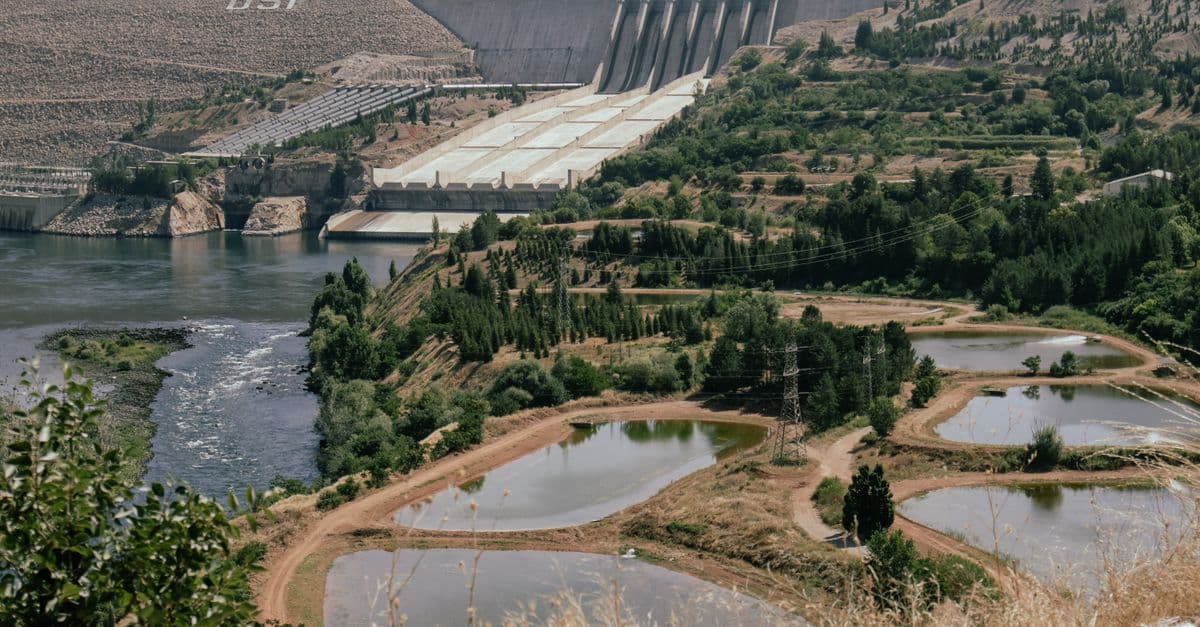
You can rapidly prototype pumped hydro storage systems by performing gross head calculations from topographic data, optimizing reservoir dimensions for target storage durations, and selecting appropriately sized pump-turbine units. Claude guides you through penstock diameter optimization, validates operating points against IEC and IEEE standards, and generates preliminary civil works estimates and equipment specifications ready for stakeholder review or financing submissions.
by devsoul2026
You can systematically analyze pumped hydro facility performance data to pinpoint efficiency losses, calculate head losses and mechanical degradation impacts, and generate prioritized maintenance and optimization recommendations. This skill synthesizes operational metrics, equipment specifications, and hydraulic calculations to quantify the financial impact of performance degradation and justify capital expenditures for modernization or intervention.
by devsoul2026
You can develop complete wellbore architecture designs for geothermal fields by integrating formation characteristics, drilling constraints, and production objectives. The skill guides you through casing program optimization, deviated well planning, high-temperature environment design, and trade-off analysis to balance thermal access against drilling cost and risk—critical for wells operating 20-50+ years in demanding subsurface conditions.
by devsoul2026
You can diagnose mechanical faults (bearing wear, imbalance, misalignment), electrical issues (converter harmonics, magnetic suspension drift), and energy losses (windage, friction, core) in operational flywheel systems. This skill interprets vibration data, bearing temperature anomalies, and power output degradation to pinpoint root causes and recommend corrective actions. You'll optimize charge/discharge cycles, predict maintenance windows, and validate designs against grid compliance requirements.
by devsoul2026
You can rapidly generate optimized PV system designs that synthesize site characteristics, equipment specifications, electrical standards, and performance requirements into actionable array layouts and electrical configurations. This skill accelerates design iteration by systematically evaluating competing constraints—energy capture maximization, electrical loss minimization, grid code compliance, thermal management, and cost optimization—without replacing professional engineering judgment, ensuring designs align with industry best practices.
by devsoul2026
You can assess whether your compensation packages are competitive in the current market by comparing base salary, bonus targets, equity grants, and total benefits against peer company data. The skill identifies pay band drift, flags retention risks, and generates specific adjustment recommendations to improve offer acceptance rates and reduce turnover exposure for roles from individual contributors to senior leadership.
by devsoul2026
You can design robust geothermal wellbores that withstand extreme thermal gradients, high-temperature steam zones, and corrosive geothermal fluids over multi-decade production lifecycles. This skill guides you through modeling accurate temperature profiles, selecting thermally-stable casing programs, choosing drilling fluids for elevated temperatures, and calculating pressure regimes that account for hydrostatic, lithostatic, and thermal stresses. The result is engineered wellbore designs that maximize resource contact while maintaining long-term integrity and regulatory compliance.
by devsoul2026