


Geothermal Reservoir Characterization Assistant
Build 3D geothermal reservoir models from logs, cores, and thermal data
What You Can Do
You systematically interpret well log suites to identify lithofacies transitions, convert core data into predictive permeability and porosity relationships, and integrate thermal properties into flow models. This allows you to build defensible volumetric estimates, identify compartmentalization risks and fracture zones, and anticipate reservoir response to production and injection scenarios—enabling confident well placement optimization and production forecasting.
Features
identify lithofacies, correlation patterns, and petrophysical boundaries across multiple wells
convert core plug analysis into permeability and porosity predictive models applicable across the reservoir
incorporate conductivity, heat capacity, and thermal diffusivity into flow simulation workflows
recognize and characterize natural and induced fracture systems affecting reservoir compartmentalization and flow paths
calculate net pay, gross rock volume, and flow capacity using integrated data from multiple sources
model reservoir response to planned production and injection rates using characterized properties
recommend drilling locations and spacing based on structural, thermal, and flow capacity mapping
identify producibility constraints, thermal drawdown risks, and injection-induced seismicity potential
Example Output
Example 1: Lithofacies Interpretation
- Well A (0–500 m): High-porosity sandstone with moderate permeability (log-derived 200–400 mD), core-confirmed structure; recommended for production well
- Well B (100–600 m): Interbedded silts and clays, low permeability (10–50 mD); acceptable for injection to minimize near-field thermal losses
Example 2: Permeability Prediction Core plug data (20 samples): k = 10^(0.048×φ + 1.2) [mD, φ in %]. R² = 0.87. Applied to porosity logs: predicted average reservoir k = 280 mD, range 50–650 mD across 8-well appraisal area.
Example 3: Well Placement Recommendation Proposed production well location: structurally high, 150 m from injection well, in highest permeability facies (k avg 420 mD). Thermal breakthrough modeling predicts 25+ year production life before 50°C temperature decline at current rates.
What's Included
- SKILL.md instruction file: structured methodology for data integration and interpretation workflow
- Well log interpretation checklist: lithofacies identification, petrophysical correlation, and quality control steps
- Core-to-log transformation templates: spreadsheet frameworks for porosity-permeability relationships and statistical validation
- Thermal property integration worksheet: matrix for organizing conductivity, heat capacity, and diffusivity data by lithofacies
- Fracture characterization worksheet: structured framework for identifying and mapping natural and induced fracture zones
- Volumetric calculation template: net pay mapping, flow capacity summation, and uncertainty quantification
- Well placement recommendation template: structured output format for drilling location optimization and risk summary
Who It's For
- Geothermal reservoir engineers — designing field development plans and well drilling campaigns
- Petrophysicists — interpreting wireline logs and core analysis for flow property prediction
- Geoscientists — integrating seismic, thermal, and well data into 3D geological models
- Drilling engineers — optimizing well placement, spacing, and completion strategies based on reservoir characterization
- Project managers — assessing producibility risk and capital allocation for geothermal prospects
Best For
- Initial appraisal of newly drilled geothermal wells with complete log suites
- Converting core plug data into field-scale permeability and porosity models
- Integrating thermal property measurements into reservoir simulation workflows
- Identifying and mapping fracture zones affecting compartmentalization or injection performance
- Optimizing production and injection well spacing and location in conventional and EGS reservoirs
- Forecasting long-term production decline and thermal breakthrough timing
You might also like

You can conduct rigorous structural load analyses for wind turbines by working through a systematic methodology that covers load identification, load case matrix development, fatigue damage calculations, and load combination verification. Claude helps you quantify aerodynamic, gravitational, operational, and environmental loads, then combines them into critical scenarios for design validation and certification audits.
 by devsoul2026
You can diagnose mechanical faults (bearing wear, imbalance, misalignment), electrical issues (converter harmonics, magnetic suspension drift), and energy losses (windage, friction, core) in operational flywheel systems. This skill interprets vibration data, bearing temperature anomalies, and power output degradation to pinpoint root causes and recommend corrective actions. You'll optimize charge/discharge cycles, predict maintenance windows, and validate designs against grid compliance requirements.
by devsoul2026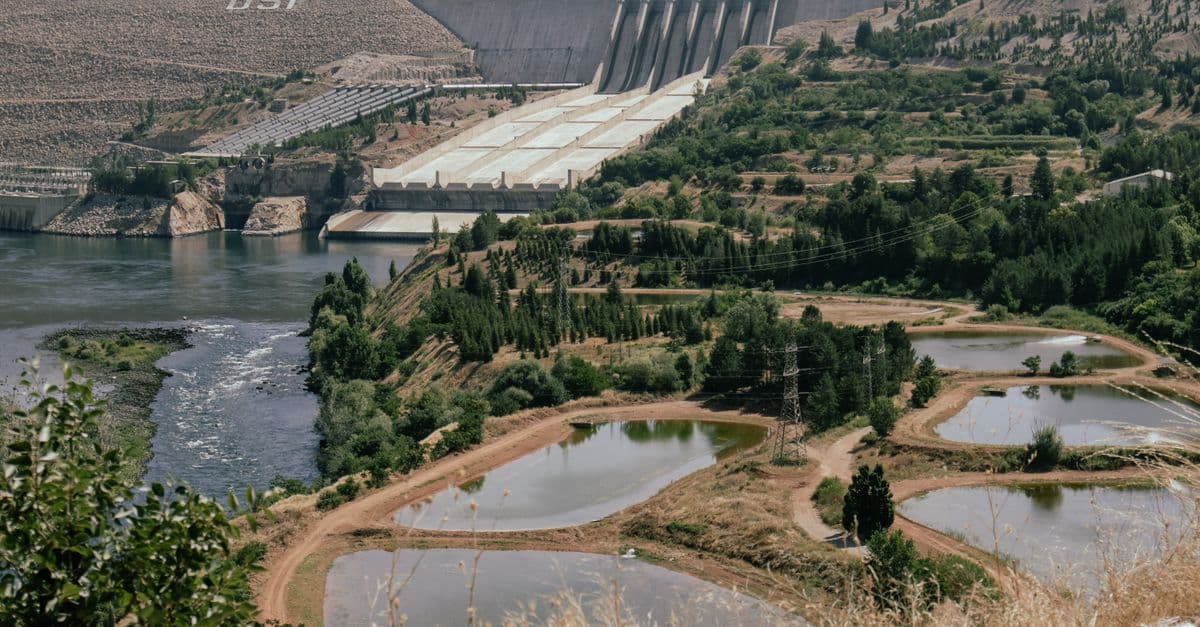
You can rapidly prototype pumped hydro storage systems by performing gross head calculations from topographic data, optimizing reservoir dimensions for target storage durations, and selecting appropriately sized pump-turbine units. Claude guides you through penstock diameter optimization, validates operating points against IEC and IEEE standards, and generates preliminary civil works estimates and equipment specifications ready for stakeholder review or financing submissions.
by devsoul2026
You can use Claude to evaluate turbine placement concepts, quantify wake losses across layout scenarios, assess feasibility against site constraints, and identify optimization opportunities before detailed engineering. Claude helps you compare competing layouts, document design decisions, and troubleshoot yield predictions by analyzing wake interaction patterns and cost-benefit tradeoffs.
by devsoul2026
You can systematically analyze pumped hydro facility performance data to pinpoint efficiency losses, calculate head losses and mechanical degradation impacts, and generate prioritized maintenance and optimization recommendations. This skill synthesizes operational metrics, equipment specifications, and hydraulic calculations to quantify the financial impact of performance degradation and justify capital expenditures for modernization or intervention.
by devsoul2026
You can assess whether your compensation packages are competitive in the current market by comparing base salary, bonus targets, equity grants, and total benefits against peer company data. The skill identifies pay band drift, flags retention risks, and generates specific adjustment recommendations to improve offer acceptance rates and reduce turnover exposure for roles from individual contributors to senior leadership.
by devsoul2026
You can develop complete wellbore architecture designs for geothermal fields by integrating formation characteristics, drilling constraints, and production objectives. The skill guides you through casing program optimization, deviated well planning, high-temperature environment design, and trade-off analysis to balance thermal access against drilling cost and risk—critical for wells operating 20-50+ years in demanding subsurface conditions.
by devsoul2026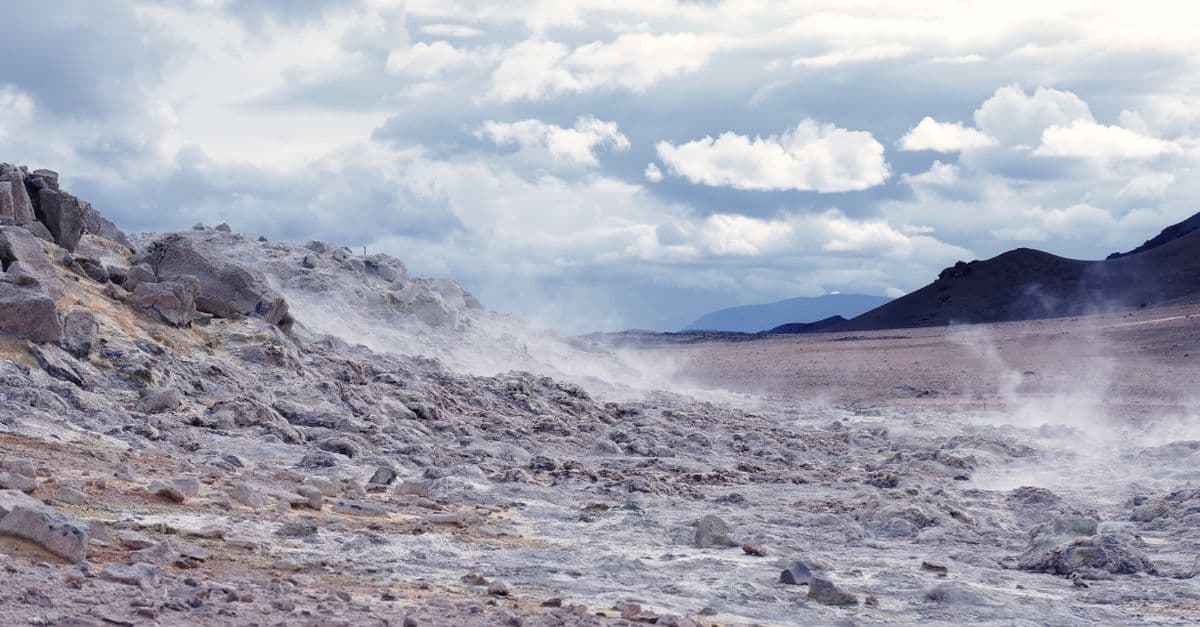
You can design robust geothermal wellbores that withstand extreme thermal gradients, high-temperature steam zones, and corrosive geothermal fluids over multi-decade production lifecycles. This skill guides you through modeling accurate temperature profiles, selecting thermally-stable casing programs, choosing drilling fluids for elevated temperatures, and calculating pressure regimes that account for hydrostatic, lithostatic, and thermal stresses. The result is engineered wellbore designs that maximize resource contact while maintaining long-term integrity and regulatory compliance.
by devsoul2026