

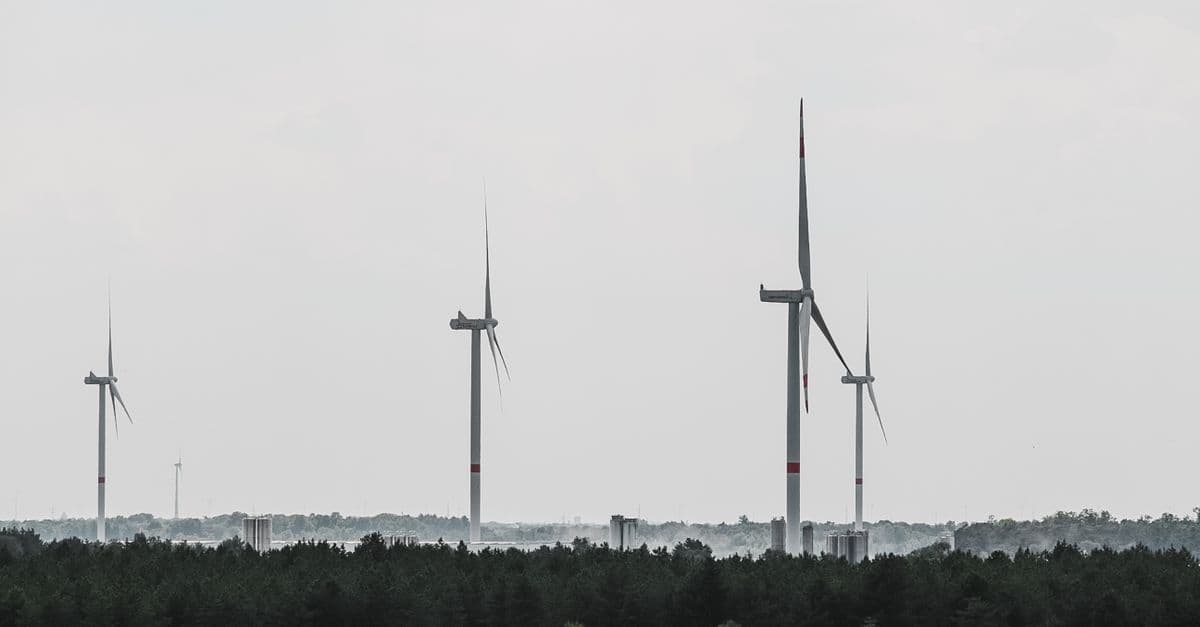
Wind Turbine Structural Load Analysis with Claude
Calculate and verify wind turbine structural loads across IEC 61400 design scenarios
What You Can Do
You can organize complex multi-load scenarios—gravitational, aerodynamic, hydrodynamic, inertial, and thermal—into verified load cases that comply with IEC 61400-1 standards. Claude helps you map design situations into quantified load combinations, create traceable load case documentation, and identify missing or contradictory inputs before FEA submission, reducing rework cycles during detailed design phases.
Features
Organize and categorize gravitational, aerodynamic, hydrodynamic, inertial, and thermal loads into structured frameworks
Translate IEC 61400 operating scenarios (normal production, grid faults, extreme events) into quantified load combinations
Automatically structure load case definitions with traceability links to design situations and load sources
Cross-check load envelopes against IEC 61400-1 requirements and site-specific wind class parameters
Generate peer-reviewable load case documents with assumptions, source data, and calculation methods clearly stated
Handle parallel load cases across different wind classes, grid codes, or platform variants
Identify missing design situations, contradictory load inputs, and incomplete load combinations before FEA submission
Create audit-ready documentation linking load values to source assumptions and environmental data
Example Output
Example 1: Normal Power Production Load Case
Load Case: NP-001 (IEC DS 6.2 - Normal Operation, Rated Power)
Design Situation: Normal power production
Wind Speed: 12.5 m/s (50-year return period)
Wind Class: IIA

Structural Loads:
- Rotor thrust (aerodynamic): 850 kN → Main bearing radial
- Tower bending moment (wind shear): 3,240 kN·m → Tower base
- Gravity + pitch angle (gravitational): 180 kN → Blade root flapwise
- Gyroscopic moment (rotor rotation): 240 kN·m → Yaw system
- Drivetrain torque (generator): 4,200 kN·m → Main shaft

Load combination: 1.0 × (thrust + wind shear + gravity + pitch) + 1.15 × drivetrain torque
Fatigue analysis: 10-min binned load histogram per wind speed bin
Example 2: Grid Fault Load Case
Load Case: EX-003 (IEC DS 7.1 - Extreme Event, Grid Loss)
Design Situation: Sudden grid disconnection (loss of normal load path)
Duration: 0.5 seconds transition

Structural Loads:
- Emergency pitch deployment inertial load: 120 kN·m → Pitch drive (extreme transient)
- Uncontrolled rotor acceleration moment: 580 kN·m → Shaft (0.3 s ramp)
- Tower side-side bending (oscillation): 4,890 kN·m → Tower base (dynamic amplification × 1.6)
- Brake thermal transient load: 95 kN·m → Mechanical brake assembly

Load combination: 1.35 × (pitch inertial + rotor accel) + 1.5 × tower oscillation + 1.0 × thermal
Ultimate safety factor: 1.35 applied per IEC 61400-1 § 6.5.2
What's Included
- SKILL.md instruction file: Complete framework for systematic load analysis workflow
- IEC 61400-1 design situation checklist: Mapping template for all 14 primary design situations (normal production, maintenance, extreme events)
- Load case documentation template: Structured format with fields for design situation, load sources, combinations, and traceability
- Multi-load scenario organizer: Framework for managing gravitational, aerodynamic, hydrodynamic, inertial, and thermal load categories
- Verification checklist: Quality gates for identifying missing design situations, contradictory inputs, and incomplete combinations before FEA handoff
Who It's For
- Wind turbine structural engineers — Developing load specifications for new platforms or platform updates
- Certification engineers — Preparing load documentation for design reviews and certification body audits
- FEA analysts — Validating load case inputs and assumptions before finite element analysis
- Platform engineering teams — Managing load scenarios across multiple wind classes and grid code variants
- Design review leads — Auditing existing load cases for compliance and completeness during design gateway reviews
Best For
- Load case generation — Systematically creating and documenting structural load cases for all IEC 61400 design situations
- Multi-load scenario organization — Synthesizing aerodynamic, environmental, and operational data into verified load combinations
- IEC 61400-1 compliance verification — Cross-checking load envelopes against standard requirements and site-specific parameters
- Design phase transitions — Preparing audit-ready load documentation during concept-to-detailed design handoff
- Load case audits and rework reduction — Identifying missing design situations and contradictory inputs before FEA submission
You might also like

You can conduct rigorous structural load analyses for wind turbines by working through a systematic methodology that covers load identification, load case matrix development, fatigue damage calculations, and load combination verification. Claude helps you quantify aerodynamic, gravitational, operational, and environmental loads, then combines them into critical scenarios for design validation and certification audits.
 by devsoul2026
You can diagnose mechanical faults (bearing wear, imbalance, misalignment), electrical issues (converter harmonics, magnetic suspension drift), and energy losses (windage, friction, core) in operational flywheel systems. This skill interprets vibration data, bearing temperature anomalies, and power output degradation to pinpoint root causes and recommend corrective actions. You'll optimize charge/discharge cycles, predict maintenance windows, and validate designs against grid compliance requirements.
by devsoul2026
You can rapidly prototype pumped hydro storage systems by performing gross head calculations from topographic data, optimizing reservoir dimensions for target storage durations, and selecting appropriately sized pump-turbine units. Claude guides you through penstock diameter optimization, validates operating points against IEC and IEEE standards, and generates preliminary civil works estimates and equipment specifications ready for stakeholder review or financing submissions.
by devsoul2026
You can rapidly evaluate multiple turbine placement configurations and quantify their performance impact. Claude analyzes wind resource data, calculates wake losses between turbines, forecasts annual energy production (AEP), and maps environmental and operational constraints to recommend layouts that balance engineering performance with project economics. This enables quick feasibility assessments, scenario comparisons, and stakeholder communication during early design phases.
by devsoul2026
You can use Claude to evaluate turbine placement concepts, quantify wake losses across layout scenarios, assess feasibility against site constraints, and identify optimization opportunities before detailed engineering. Claude helps you compare competing layouts, document design decisions, and troubleshoot yield predictions by analyzing wake interaction patterns and cost-benefit tradeoffs.
by devsoul2026
You can systematically analyze pumped hydro facility performance data to pinpoint efficiency losses, calculate head losses and mechanical degradation impacts, and generate prioritized maintenance and optimization recommendations. This skill synthesizes operational metrics, equipment specifications, and hydraulic calculations to quantify the financial impact of performance degradation and justify capital expenditures for modernization or intervention.
by devsoul2026
You can assess whether your compensation packages are competitive in the current market by comparing base salary, bonus targets, equity grants, and total benefits against peer company data. The skill identifies pay band drift, flags retention risks, and generates specific adjustment recommendations to improve offer acceptance rates and reduce turnover exposure for roles from individual contributors to senior leadership.
by devsoul2026
You can design robust geothermal wellbores that withstand extreme thermal gradients, high-temperature steam zones, and corrosive geothermal fluids over multi-decade production lifecycles. This skill guides you through modeling accurate temperature profiles, selecting thermally-stable casing programs, choosing drilling fluids for elevated temperatures, and calculating pressure regimes that account for hydrostatic, lithostatic, and thermal stresses. The result is engineered wellbore designs that maximize resource contact while maintaining long-term integrity and regulatory compliance.
by devsoul2026