

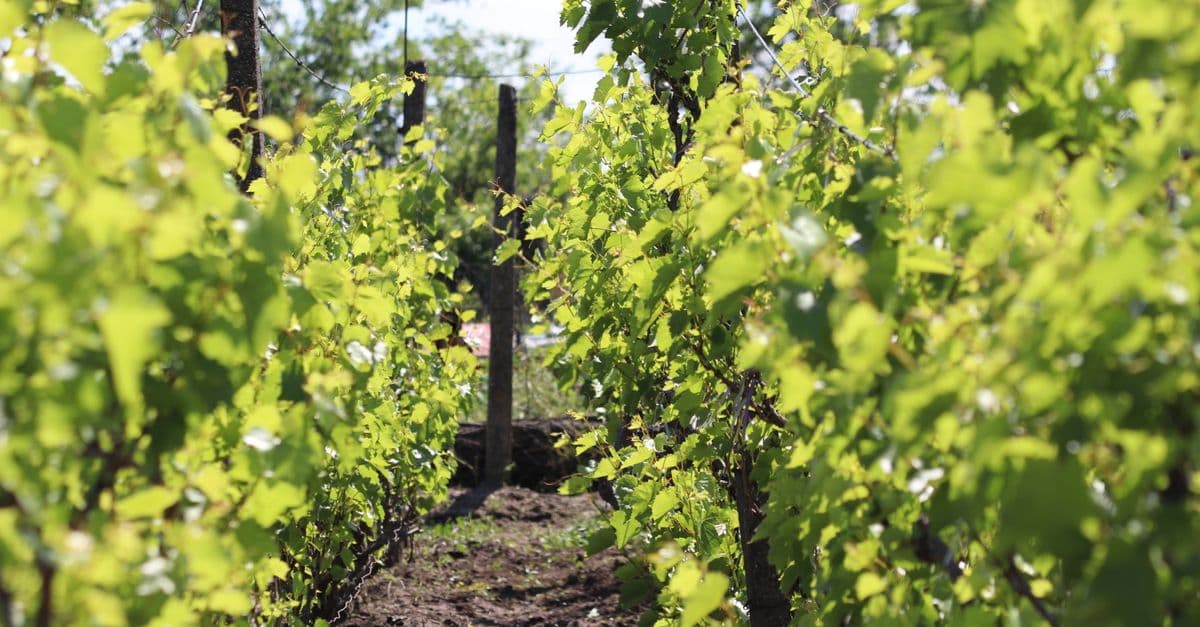
Vineyard Disease & Pest Management Diagnostic System
Diagnose vineyard diseases, pests, and disorders with symptom analysis and IPM protocols
What You Can Do
You can convert visual symptoms and growing conditions into accurate diagnoses and actionable treatment recommendations. The skill integrates symptom identification with regional epidemiology, timing windows, and integrated pest management (IPM) principles to minimize chemical inputs while maximizing efficacy. You'll develop season-long disease management calendars, evaluate fungicide/insecticide products for resistance management, and generate phytosanitary reports for certification or export compliance.
Features
Match observed signs (discoloration, spotting, wilting, necrosis) to fungal, bacterial, viral, or insect causes
Account for local disease pressure, climate patterns, and seasonal risk windows
Align treatment recommendations to growth stage for maximum efficacy and minimal crop impact
Generate multi-tactic management plans prioritizing cultural, mechanical, and biological controls before chemical options
Evaluate product efficacy, mode of action, resistance risk, and regulatory approval for your region
Create season-long spray schedules with application windows and rotation strategies
Document diagnostic findings and management actions for certification, export compliance, and regulatory audits
Rank interventions by urgency, cost-effectiveness, and environmental impact
Example Output
Example 1: Powdery Mildew Detection
Symptom Input: White powdery coating on upper leaf surfaces, curling leaves, occurring at véraison in a California coastal vineyard.
Diagnosis: Uncinula necator (powdery mildew) — high risk stage due to dense canopy and 60–70°F temperatures.
Recommendations:
- Immediate: Increase air circulation via leaf removal on fruit zone
- Spray: Sulfur-based fungicide within 5 days; rotate with potassium bicarbonate every 10 days
- Prevention: Resume preventative sprays at budbreak next season
Example 2: Pest Pressure Assessment
Input: 15 Japanese beetles per 100 leaves at bloom; neighboring vineyard reports heavy feeding pressure.
Diagnosis: Japanese beetle population exceeds economic threshold; regional pressure indicates multi-generation risk.
Protocol:
- Short-term: Scout daily; consider targeted insecticide application if >25 beetles per 100 leaves
- Resistance management: Rotate insecticide classes; avoid repeated neonicotinoid use
- Long-term: Deploy pheromone traps in adjacent area; plant trap crops
Example 3: Bunch Rot Risk Calendar
Input: 80% bunch closure observed 4 weeks pre-véraison in humid region with Botrytis history.
Output: Season-long management calendar with spray windows, cultural practices (cluster thinning, canopy management), and fruit monitoring checkpoints from véraison through harvest.
What's Included
- SKILL.md instruction file: Complete diagnostic framework and IPM decision logic
- Symptom identification checklist: Visual reference guide for 25+ common vineyard diseases and pests with diagnostic criteria
- Regional disease calendar template: Customizable month-by-month risk assessment and spray window planning tool
- IPM action plan worksheet: Structured format for documenting symptoms, diagnosis, and multi-tactic treatment sequence
- Fungicide/insecticide comparison matrix: Product selector with efficacy ratings, resistance risk, and regulatory status by region
Who It's For
- Viticulturists and vineyard managers — Primary users diagnosing in-season disease and pest problems
- Vineyard consultants — Specialists providing diagnosis and treatment recommendations to multiple clients
- Winery production teams — Staff managing disease pressure and phytosanitary status before harvest
- Organic and biodynamic growers — Practitioners designing IPM systems within certification constraints
- Agricultural export coordinators — Professionals documenting phytosanitary compliance for certification and international sales
Best For
- Fungal disease diagnosis (powdery mildew, downy mildew, bunch rot, leaf spot, trunk diseases)
- Insect pest identification and population monitoring (beetles, mites, leafhoppers, phylloxera)
- Viral and bacterial disease recognition and management planning
- Season-long IPM calendar development and spray scheduling
- Phytosanitary reporting and certification documentation
- Fungicide/insecticide resistance management strategy design
- Physiological disorder troubleshooting (nutrient deficiency, stress-related conditions)
You might also like
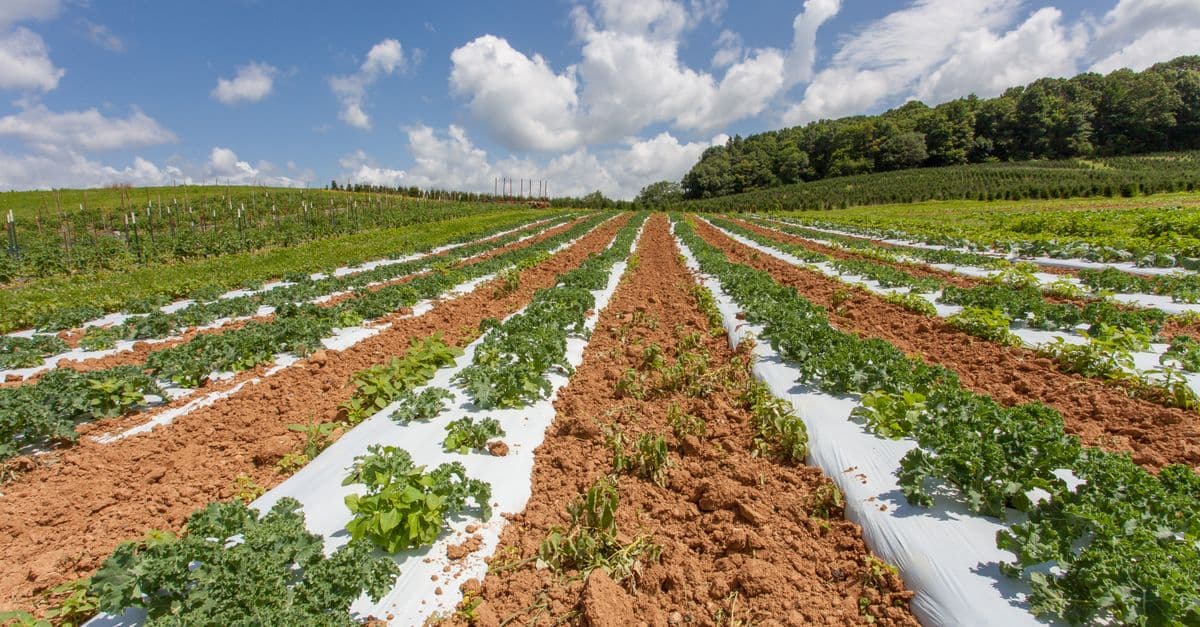
Analyze crop disease symptoms and receive rapid, evidence-based diagnoses specific to your specialty crop type. Generate spray schedules that rotate fungicide families to prevent resistance, comply with organic or export certifications, and time applications around critical crop growth stages. Cross-reference environmental conditions, disease pressure windows, and buyer residue requirements to create season-long disease management calendars that minimize crop loss while maintaining market compliance.
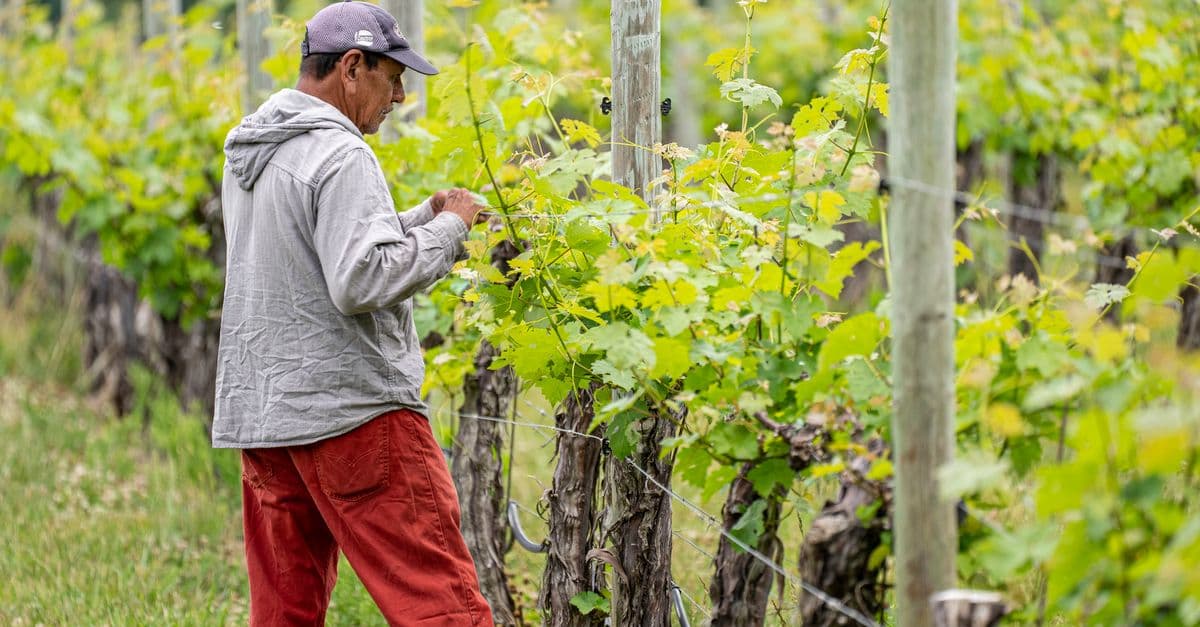
You can systematically evaluate your vineyard's sustainability performance across water management, soil health, pesticide use, carbon footprint, input costs, labor practices, and community relations. Claude generates quantifiable baselines, identifies high-impact interventions tailored to viticulture's unique constraints (seasonal labor, phytosanitary pressures, terroir dependencies), and creates implementation roadmaps that integrate with your existing operations—whether you're pursuing organic certification, biodynamic transition, or responding to retailer sustainability requirements.
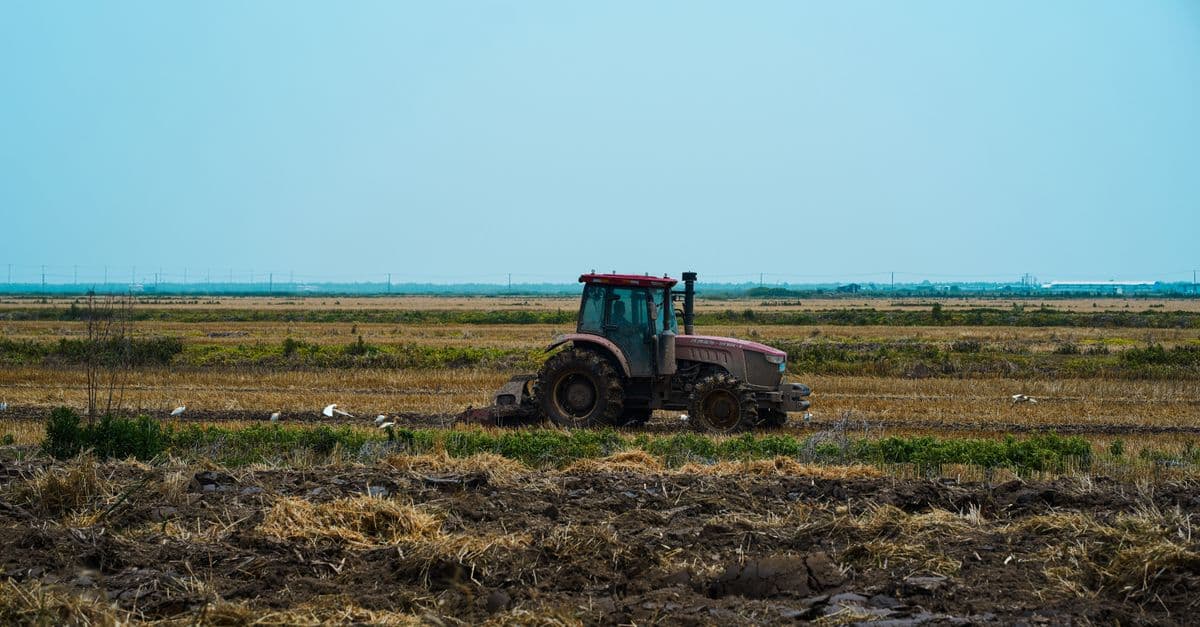
You can systematically evaluate mechanization investments by calculating total cost of ownership (TCO), comparing ownership versus leasing scenarios, and assessing labor replacement equipment. The skill delivers quantified operational efficiency gains and long-term financial projections, reducing evaluation time from weeks to hours while building stakeholder confidence in capital deployment decisions.
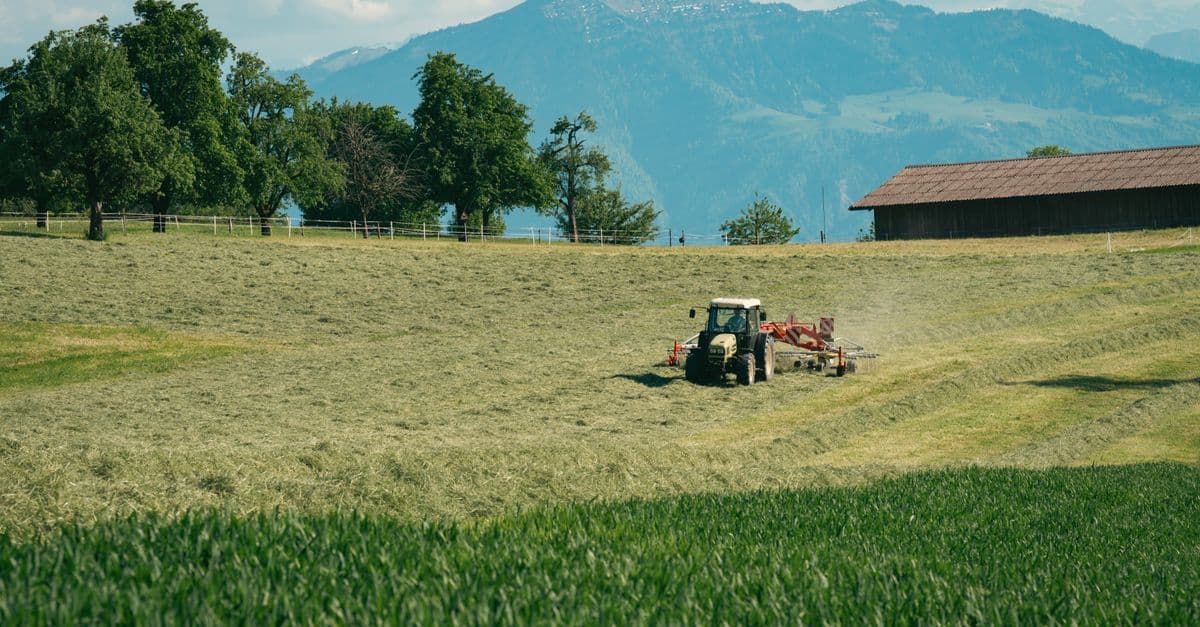
You can develop complete mechanization system architectures that match your farm's specific operations, soil conditions, and economic constraints. This skill guides you through equipment selection, power management, field logistics optimization, and ROI analysis to create actionable mechanization strategies that improve operational efficiency while maintaining sustainability and profitability.
You can systematically analyze germplasm trial data to identify elite parent combinations and predict breeding outcomes. This skill processes yield, disease resistance, morphological traits, and environmental variables to quantify genotype-by-environment interactions, recommend optimal crossing strategies, and document data-driven selection rationale for regulatory compliance. It bridges raw field data and strategic breeding decisions, helping you achieve genetic gain faster while minimizing subjective bias in parental selection.
Transform raw field variability data—soil EC maps, yield histories, organic matter, elevation, and satellite imagery—into agronomically sound, equipment-ready prescription maps. You'll generate site-specific application recommendations for fertilizer, fungicides, herbicides, and seed rates across field zones, with quantified cost savings and environmental impact reductions that justify zone-based management to stakeholders.

You can analyze ripeness progression across individual vineyard blocks and predict optimal harvest windows by integrating phenolic and sugar maturity data with real-time weather forecasts, labor scheduling constraints, and vintage market positioning. The skill helps you coordinate multi-block harvest logistics while accounting for unexpected weather events, equipment availability, and production cost targets.
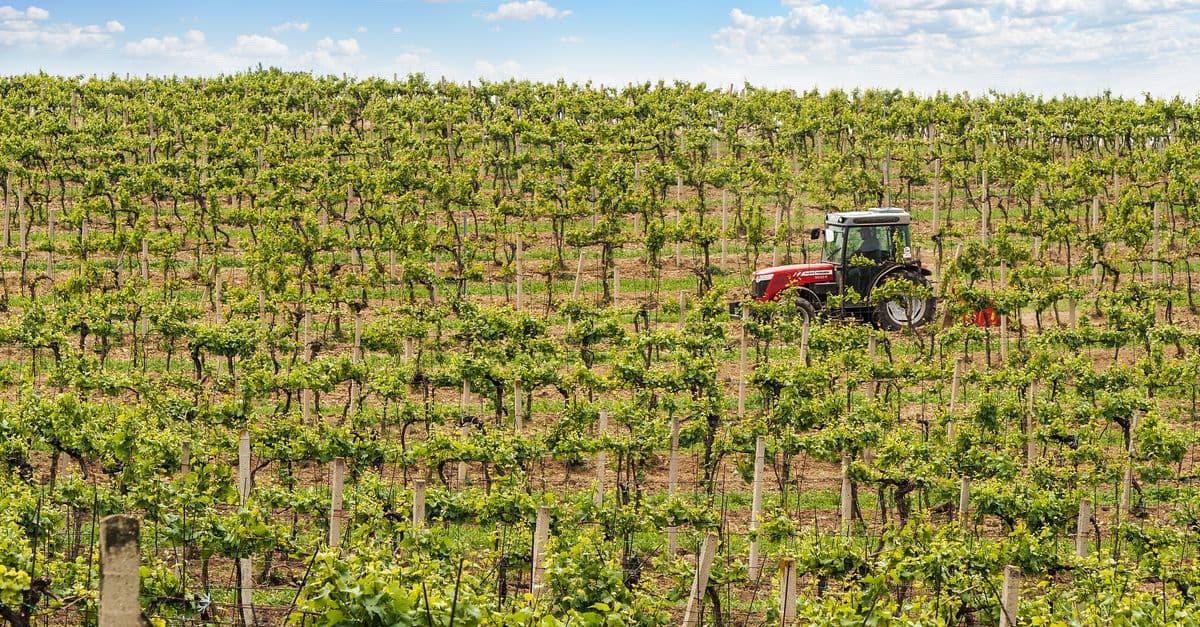
Analyze fruit maturity indicators across vineyard blocks to determine optimal harvest windows while accounting for weather forecasts, crush pad capacity, and labor availability. You'll receive structured recommendations on which blocks to harvest and in what sequence, plus logistics coordination plans that balance quality outcomes with operational constraints.