


Battery Storage System Sizing for Solar Applications
Size solar battery storage systems with NEC/UL compliance in minutes
What You Can Do
You can input solar system parameters, load profiles, and climate conditions, then receive validated battery sizing recommendations that account for depth-of-discharge limits, efficiency losses, thermal derating, and NEC/UL compliance thresholds. The skill systematizes complex interdependencies across voltage, capacity, chemistry selection, and backup power requirements into repeatable engineering workflows that produce defensible designs suitable for permitting and client presentations.
Features
calculates peak demand, daily energy consumption patterns, and critical load identification for accurate capacity sizing
accounts for roundtrip efficiency losses, temperature derating, and depth-of-discharge (DoD) limits across battery chemistries
validates system configurations against current electrical code requirements and UL safety standards
evaluates lithium-ion, LFP, and hybrid battery options with cost/performance tradeoffs for your specific application
adjusts capacity for high-temperature climates and ambient operating conditions
models time-of-use arbitrage and demand response scenarios for commercial systems
produces engineering-grade reports with sizing justifications for permitting and stakeholder approval
designs systems for voltage/frequency regulation and islanding scenarios
Example Output
Example 1: Residential Backup System
- Input: 8 kW solar array, 15 kWh daily consumption, 3 kW critical load, 24-hour autonomy
- Output: Recommended 13.5 kWh usable capacity (18 kWh nominal) LFP battery with 75% DoD limit, 48V topology, 6 kW hybrid inverter, compliance checklist for NEC 2023 Article 706
Example 2: Commercial Demand Management
- Input: 50 kW solar, $12/kW demand charges, 6-hour peak window, 45°C summer temps
- Output: 40 kWh system sized for 80% of peak demand with 90-min discharge duration, thermal derating applied (-8% capacity at design temp), ROI analysis showing 4.2-year payback
Example 3: Microgrid Configuration
- Input: 100 kW PV, 120 kWh storage, islanding required, ±5% voltage regulation
- Output: Two 60 kWh battery strings in parallel, droop-control parameters, UL 1741-SA compliance verification, fault coordination schematic
What's Included
- SKILL.md instruction file: detailed skill overview, use cases, and parametric design workflows
- Load analysis template: spreadsheet framework for capturing consumption patterns, peak demands, and critical load tiers
- Battery sizing calculator: step-by-step prompts for capacity, chemistry selection, and thermal derating inputs
- NEC/UL compliance checklist: code requirements for grounding, overcurrent protection, disconnects, and labeling
- Technical documentation framework: permitting-ready report template with sizing justifications, single-line diagrams, and parts lists
Who It's For
- Solar engineers and installers — design and validate BESS for residential and commercial solar projects
- Energy storage consultants — advise clients on battery chemistry, capacity, and system configuration tradeoffs
- Electrical contractors — size systems to meet code compliance and customer backup power requirements
- Microgrid designers — configure energy storage for islanding, voltage regulation, and resilience applications
- Solar sales engineers — generate technical justifications and technical datasheets for customer proposals
Best For
- Residential and commercial battery sizing for solar + storage systems
- Backup power requirement analysis for critical load calculations
- Demand charge management and time-of-use optimization modeling
- Battery chemistry comparison (lithium-ion vs. LFP vs. hybrid systems)
- Thermal derating analysis for high-temperature climates
- NEC/UL code compliance verification and permitting documentation
You might also like
You can systematically diagnose electrolyzer stack performance issues by analyzing voltage, current, gas purity, and thermal data against known degradation patterns. This skill helps you distinguish between anode/cathode fouling, membrane degradation, electrolyte contamination, thermal imbalance, and electrical inefficiencies—enabling you to schedule preventive maintenance before emergency downtime occurs and maintain hydrogen production economics.
 by devsoul2026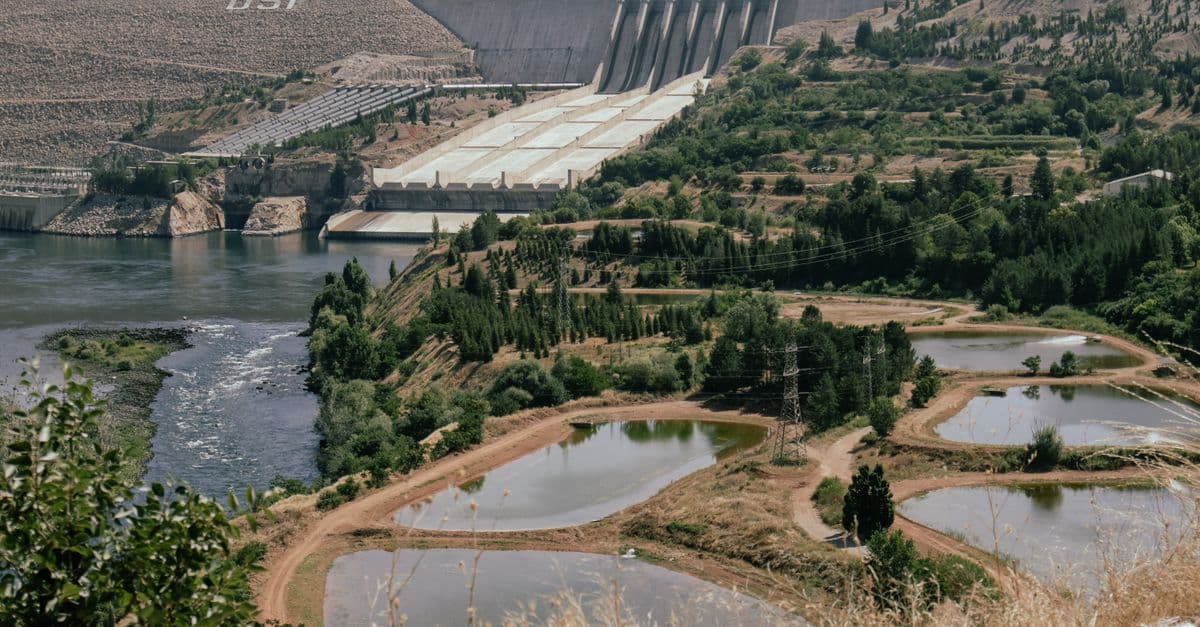
You can rapidly prototype pumped hydro storage systems by performing gross head calculations from topographic data, optimizing reservoir dimensions for target storage durations, and selecting appropriately sized pump-turbine units. Claude guides you through penstock diameter optimization, validates operating points against IEC and IEEE standards, and generates preliminary civil works estimates and equipment specifications ready for stakeholder review or financing submissions.
by devsoul2026
You can systematically design and optimize hydrogen storage systems by leveraging integrated thermodynamic calculations, material compatibility analysis, and safety standard cross-referencing. The skill helps you select optimal storage modalities (compressed gas, cryogenic liquid, solid-state absorbents, chemical carriers), evaluate design trade-offs across energy density, cost, and safety constraints, and generate compliance documentation aligned with DOT, ASME, and ISO standards.
by devsoul2026
You can design robust geothermal wellbores that withstand extreme thermal gradients, high-temperature steam zones, and corrosive geothermal fluids over multi-decade production lifecycles. This skill guides you through modeling accurate temperature profiles, selecting thermally-stable casing programs, choosing drilling fluids for elevated temperatures, and calculating pressure regimes that account for hydrostatic, lithostatic, and thermal stresses. The result is engineered wellbore designs that maximize resource contact while maintaining long-term integrity and regulatory compliance.
by devsoul2026
You can develop complete wellbore architecture designs for geothermal fields by integrating formation characteristics, drilling constraints, and production objectives. The skill guides you through casing program optimization, deviated well planning, high-temperature environment design, and trade-off analysis to balance thermal access against drilling cost and risk—critical for wells operating 20-50+ years in demanding subsurface conditions.
by devsoul2026
You can systematically analyze pumped hydro facility performance data to pinpoint efficiency losses, calculate head losses and mechanical degradation impacts, and generate prioritized maintenance and optimization recommendations. This skill synthesizes operational metrics, equipment specifications, and hydraulic calculations to quantify the financial impact of performance degradation and justify capital expenditures for modernization or intervention.
by devsoul2026
You can rapidly generate optimized PV system designs that synthesize site characteristics, equipment specifications, electrical standards, and performance requirements into actionable array layouts and electrical configurations. This skill accelerates design iteration by systematically evaluating competing constraints—energy capture maximization, electrical loss minimization, grid code compliance, thermal management, and cost optimization—without replacing professional engineering judgment, ensuring designs align with industry best practices.
by devsoul2026
You can input formation data, drilling fluid specifications, temperature gradients, and stress regimes to receive actionable wellbore design recommendations and risk assessments. The skill evaluates alternative well trajectories, casing programs, and drilling fluid systems specifically for geothermal conditions (150-400°C), helping you minimize non-productive time and maximize thermal productivity while navigating the unique constraints of deep, high-temperature drilling operations.
by devsoul2026