


Ambience Sound Design Framework
Design game ambience soundscapes with spatial, temporal, and emotional architecture

What You Can Do
You'll architect multi-layered game ambience by analyzing spatial positioning, temporal evolution, and emotional narrative impact. Claude helps you translate creative soundscape vision into technical specifications that audio programmers and team members understand, identify design gaps before production, and debug immersion issues by examining layer relationships and frequency balance.
Features
Map ambience layers by player location, distance attenuation, and 3D positioning within game environments
Document how ambience evolves across game time cycles, narrative beats, and dynamic gameplay states
Analyze and articulate how specific frequency ranges, dynamics, and layer combinations drive player psychology
Create consistent technical specifications for ambience libraries that audio teams can implement and iterate on
Identify gaps and conflicts in soundscape design by examining layer interactions and frequency masking
Define audio programming triggers and parameter ranges for ambience that responds to gameplay and narrative
Build modular ambience frameworks for procedural level design and environment variety
Example Output
Example 1: Forest Ambience Specification
- Spatial Layer 1 (Distance): Wind through canopy at 0-100m, fades at 150m+
- Spatial Layer 2 (Surround): Bird chorus positioned 270° (left flank), 90° (right flank)
- Temporal Layer: Bird activity peaks at dawn/dusk cycles; wind increases during storms
- Emotional Impact: High-frequency birdsong (4-8kHz) creates alertness; low-frequency wind (80-250Hz) grounds player in scale
Example 2: Horror Bunker Ambience
- Spatial Layer 1: Metal creaks origin point = ventilation shaft (270° rear)
- Spatial Layer 2: Electrical hum from machinery, omnidirectional at -20dB
- Temporal Layer: Creaks increase when player proximity < 10m
- Emotional Impact: Dissonant 60Hz hum triggers unease; sporadic creaks (no predictable pattern) maintain tension
What's Included
- SKILL.md instruction file: Complete framework reference with spatial analysis, temporal mapping, and emotional assessment guidelines
- Ambience Specification Template: Structured document format for layer documentation with spatial positioning, temporal behavior, and frequency analysis
- Soundscape Architecture Worksheet: Spatial map diagram, frequency range allocation chart, and layer interaction matrix
- Dynamic Parameter Guide: Audio programming bridge document for defining ambience trigger conditions and continuous parameter curves
- Immersion Audit Checklist: Diagnostic framework for identifying gaps, conflicts, and frequency masking problems in existing ambience designs
Who It's For
- Audio Designers and Sound Designers — Architect ambience with technical precision and team-readable documentation
- Game Audio Programmers — Receive detailed specifications for dynamic ambience implementation and parameter mapping
- Level Designers — Integrate ambience specifications into environment design and understand audio-space relationships
- Audio Directors and Leads — Establish consistent ambience language across large games and complex soundscapes
- Indie Developers — Design professional-grade ambience documentation without dedicated audio teams
Best For
- Pre-production ambience design for new game environments or theme areas
- Translating creative ambience vision into audio programming specifications
- Diagnosing and fixing immersion problems in existing soundscapes
- Creating reusable ambience templates for procedural or modular level design
- Documenting ambience libraries for team collaboration and iteration tracking
You might also like

You can systematically design menu hierarchies and interaction flows that feel responsive and intuitive for game players. This skill helps you map complete player journeys through nested menus, define state transitions for complex scenarios (like pause-while-paused), establish consistent interaction patterns across your UI, and identify edge cases before implementation. You'll document specifications that programmers and junior designers can follow, ensuring accessible navigation that respects controller/keyboard constraints and 100ms feedback expectations.

You'll convert game design briefs into comprehensive visual direction documents that guide concept artists and 3D modelers through pre-production. This skill generates aesthetic frameworks, curates style references, specifies character and environment requirements, documents technical constraints, and produces mood board descriptions—all formatted for immediate team alignment and reference during production. Instead of iterating through clarifying questions, you'll have structured documentation that translates vague creative intent into actionable visual guidelines.

You can model complex in-game economies by describing currency flows, progression curves, and monetization systems in natural language, then have Claude validate the math, simulate outcomes across player cohorts (free players, mid-tier spenders, whales), identify inflation breakpoints, and stress-test against exploits. This lets you iterate on balance rapidly without building spreadsheets, catching economy-breaking issues before they damage retention.
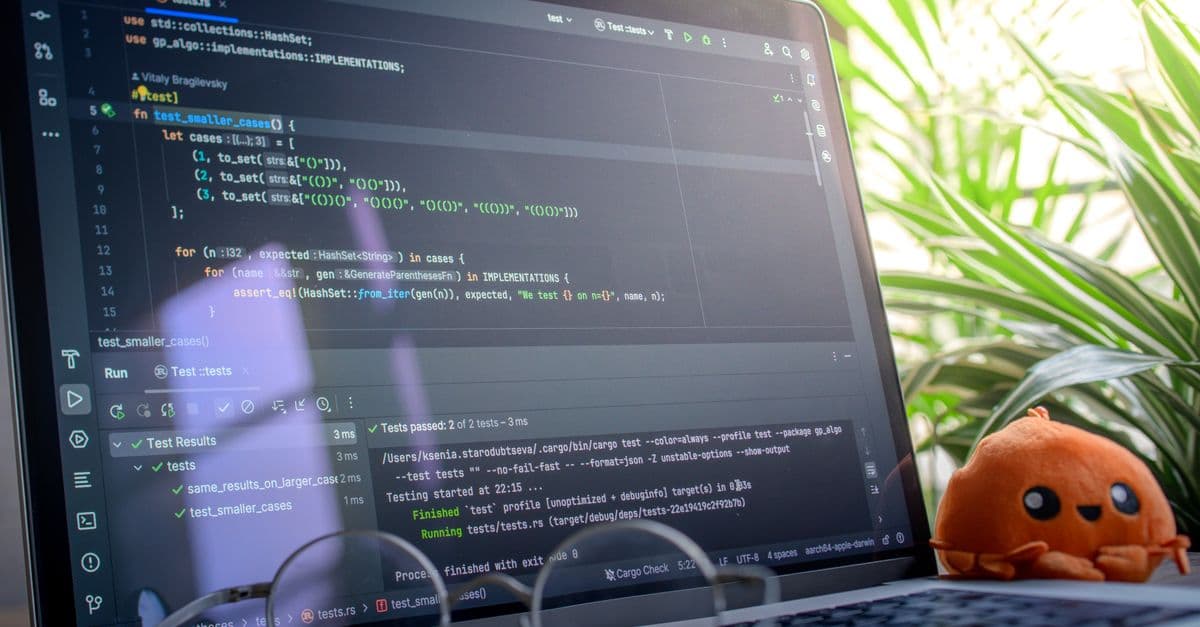
You can rapidly categorize network issues (latency vs. sync vs. bandwidth), instrument networked game systems for visibility, identify common netcode anti-patterns by their telltale signatures, generate reproducible test cases for various network conditions, debug server-client state reconciliation failures, and profile network code paths to optimize bandwidth. This skill transforms vague player reports into actionable diagnosis data that pinpoints whether desynchronization, rubber-banding, packet loss, or authority violations are the root cause.
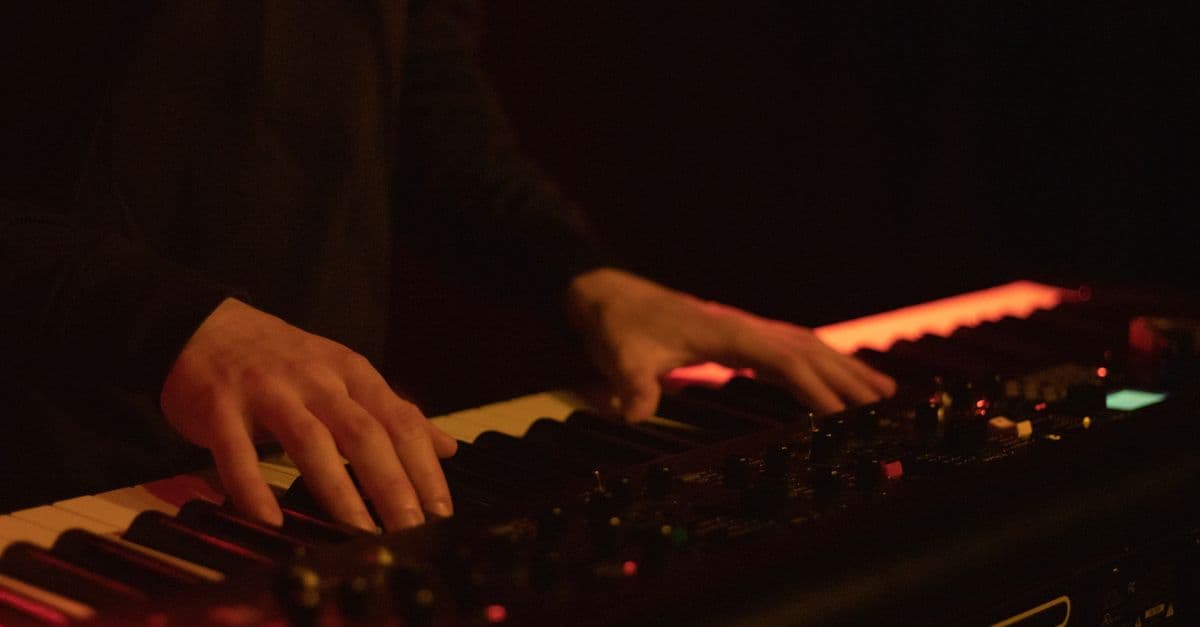
You'll develop dynamic music systems using layered composition, state mapping, and parameter control. This skill teaches you to design vertical remixing (adding/removing musical layers) and horizontal sequencing (transitioning between musical sequences) based on game conditions. You'll create clear technical specifications that bridge creative composition and programmer implementation, enabling music that adapts seamlessly to player actions, environmental shifts, and gameplay intensity.
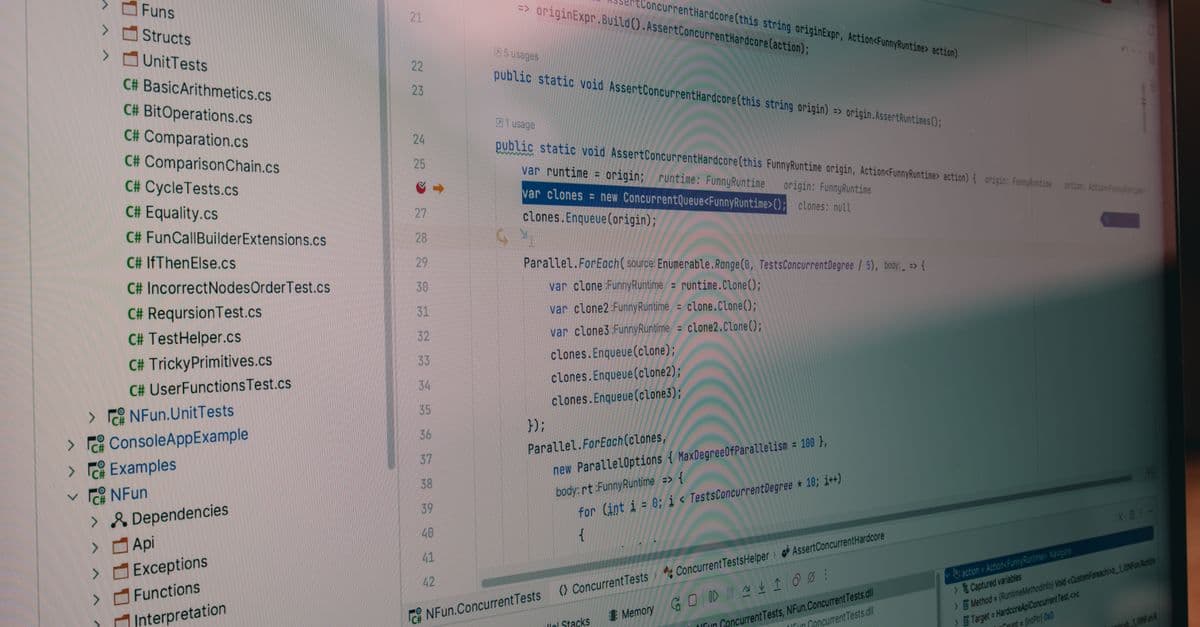
You can analyze shader compilation logs across multiple graphics APIs, automatically detect common shader errors and cross-platform compatibility issues, and receive actionable optimization recommendations for your studio's shader build infrastructure. Claude helps you identify performance regressions, validate that new shader code meets performance targets, and document compilation requirements for team onboarding—turning complex multi-API shader validation into a systematic, repeatable process.

You can conduct rigorous multiplayer balance audits by analyzing win-rate metrics, pick rates, and play-pattern data against competitive design benchmarks. The framework helps you pinpoint whether imbalance stems from hero/character design, map asymmetries, economy systems, or meta-game health—then propose prioritized, data-backed solutions that resonate with producers, engineers, and community managers.

You can deconstruct complex game environments into implementable audio layers—base drones, environmental textures, dynamic elements, and spatial effects—each with detailed technical specifications. Claude helps you generate mixing parameters (EQ, dynamics, spatial placement), map emotional intent to audio characteristics, and create ambience variation systems that respond to game state changes like time of day, weather, or player progression.