


Feature Film Budget Breakdown & Optimization Assistant
Construct and optimize feature film budgets with line-item validation and contingency modeling

What You Can Do
You can construct detailed feature film budgets by deconstructing your script into accurate line-item costs, benchmark assumptions against comparable films in your genre and budget range, identify which cost categories drive your overall budget, and stress-test your budget under various contingency scenarios (schedule overruns, location changes, cast additions). This skill helps you communicate confidently with investors, completion guarantors, and department heads by providing justified, defensible budget breakdowns that account for both above-the-line and below-the-line costs.
Features
Break down your screenplay into production requirements (locations, cast size, VFX complexity, stunts) to estimate accurate line-item costs
Validate your budget assumptions against comparable films in similar genres, budgets, and production scopes
Pinpoint which departments and line items have the greatest impact on your total budget and identify flexibility
Stress-test your budget against common variables (schedule extensions, location overruns, cast upgrades) to model financing needs
Generate detailed cost estimates for production, postproduction, crew, talent, locations, and equipment that you can hand to department heads
Calculate total budget, contingency buffers, and completion guarantor thresholds for investor presentations
Flag line items that fall outside industry standards for your film type and flag potential underbudgeting risks
Example Output
Example 1: Independent Drama (Low Budget)
TITLE: "Autumn Leaves" - 15-Day Shoot, Two Locations

ABOVE-THE-LINE
Screenplay Rights & Development: $25,000
Director: $50,000
Producers (2): $75,000
Cast (4 principals, day players): $120,000

BELOW-THE-LINE
Production (crew, PAs, equipment rental): $180,000
Locations (permits, scouts, rental): $40,000
Postproduction (editing, sound, color): $95,000
CONTINGENCY (10%): $58,500

TOTAL: $638,500
Example 2: Action Thriller (Mid-Budget)
COST DRIVERS IDENTIFIED:
1. Visual Effects (chase sequence, 2 digital doubles): $185,000 (18% of budget)
2. Principal Photography (25 days, 4 units): $420,000 (41%)
3. Post-Sound Design & Mix (action complexity): $125,000 (12%)

SCENARIO: 3-Day Schedule Overrun Impact
Daily burn rate: $47,000 → Additional cost: $141,000
RECOMMENDED contingency increase to 15% ($94,000 → $141,000)
REVISED TOTAL: $2,089,000 (up from $2,035,000)
Example 3: Budget Validation Report
LINE ITEM REASONABLENESS: ✓ Grip & Electric: $89,000 — on par for 25-day indie drama ⚠ VFX: $12,000 — UNDERBUDGETED (recommend $35,000-50,000 for 8 visual effects shots) ✓ Post-Sound Mix: $65,000 — standard for indie feature delivery
What's Included
- SKILL.md instruction file: Core prompting instructions for budget deconstruction and analysis
- Budget template worksheet: Line-item categories (AMPAS P&A standards) for above-the-line, below-the-line, and postproduction costs
- Industry benchmark reference guide: Cost ranges by department for indie ($1-3M), mid-budget ($3-20M), and studio features
- Contingency scenario framework: Pre-built models for schedule changes, cast upgrades, location changes, and VFX overruns
- Investor presentation checklist: Budget justification document structure and key metrics to include when pitching to financiers
Who It's For
- Independent producers and first-time feature filmmakers — Building credible budgets before hiring a UPM or line producer
- Line producers and unit production managers — Validating department bids and optimizing budget allocations during pre-production
- Finance and investor relations teams — Preparing detailed budget breakdowns for completion guarantors, financiers, and equity investors
- Production accountants — Creating initial budget templates and modeling scenarios for various production configurations
- Development executives — Evaluating project feasibility and greenlight decisions based on budget-to-financing alignment
Best For
- Initial budget estimation from script during development and early pre-production
- Budget validation and line-item refinement against industry standards
- Contingency planning and scenario modeling for schedule or scope changes
- Cost driver analysis to identify where film money is actually spent
- Investor pitch preparation with detailed, justified budget breakdowns
- Department head cost request review and reasonableness checks
- Financing requirement calculations for completion bond and gap financing
You might also like

You can convert creative briefs into 3-5 distinct visual direction options complete with mood boards, color palettes, and art direction specifications within 48-72 hours. The skill helps you reconcile conflicting stakeholder preferences, establish design hierarchies that reinforce brand messaging, and identify practical production constraints before costly set construction begins. You'll generate presentation-ready assets that demonstrate how product placement, lighting, set dressing, and color strategy work together to achieve commercial objectives.

You'll transform vague screenplay action descriptions into comprehensive stunt breakdowns that specify camera angles, performer positioning, safety protocols, required equipment, and take-by-take choreography. This skill bridges the gap between creative intent and practical execution, enabling stunt coordinators, safety personnel, and camera operators to work from the same detailed reference—reducing ambiguity, accelerating shoot schedules, and minimizing liability on high-risk sequences.

You can convert TV scripts into comprehensive production breakdowns that identify every requirement—cast, locations, effects, equipment, and crew days—and translate them into detailed department budgets. This skill captures TV-specific variables like episode length, multi-camera vs. single-camera formats, and weekly production cycles to produce line-item budgets suitable for internal planning and investor presentations.

You can convert raw narrative concepts into fully-structured short-form screenplays engineered for digital platform algorithms and audience retention. This skill helps you identify which story beats are essential versus expendable, optimize your hook for the critical first 3 seconds, and build complete emotional arcs in miniature that treat visual choice as character development. You'll generate production-ready outlines that balance commercial viability with creative intent.

You generate detailed, format-specific delivery specifications that account for codec requirements, loudness standards (LUFS targets), channel configurations, metadata tagging, file naming conventions, and quality assurance checkpoints. This skill produces specifications that are immediately actionable for your sound team while remaining compliant with theatrical (DCP), streaming (Netflix, Apple TV+, Prime Video, Disney+), and broadcast standards—eliminating costly rework and missed distribution windows.

You can synthesize disparate documentary source materials—interview transcripts, archival notes, and footage descriptions—into organized narrative structures. The skill identifies thematic patterns across interviews, diagnoses pacing gaps between segments, reveals missing perspectives or unexplained concepts, and generates multiple narrative approaches before you commit to final assembly. You'll receive actionable editorial recommendations on interview clip prioritization, archival material placement, and optimal reveal sequencing.
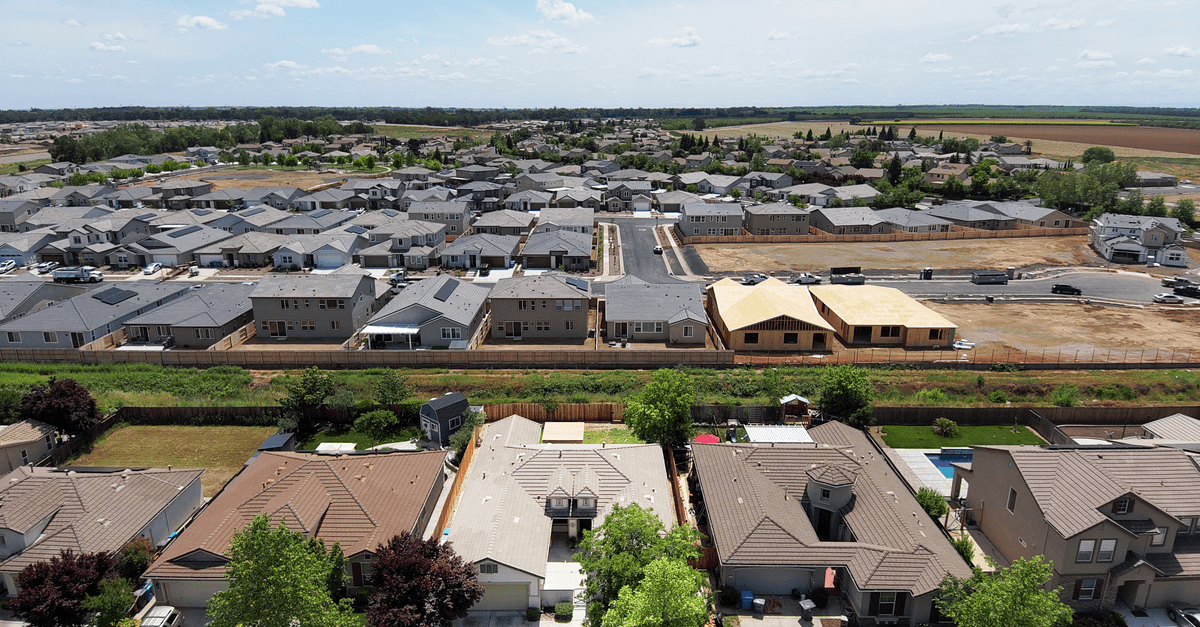
Stop wasting hours analyzing properties manually. Compare multiple investment opportunities side-by-side with quantified financial metrics, risk rankings, and strategic recommendations. Get clarity on which properties offer the best returns, cashflow potential, and risk-adjusted value in minutes instead of hours, then confidently place offers on winners.

You can submit wire rig designs, equipment specifications, and stunt parameters to receive detailed safety engineering analysis. Claude calculates actual vs. rated load capacities across multi-point rigging systems, identifies potential failure modes, flags compliance gaps, and generates formal safety reports ready for insurance and film commissions. This transforms conceptual designs into verified safety assessments before rigging setup begins.