


Chronic Disease Behavior Change Protocol Designer
Design personalized behavior change protocols for chronic disease patients
What You Can Do
This skill helps you create comprehensive behavior change protocols that address the medical, psychological, and social dimensions of chronic disease management. You provide patient context and disease specifics, and receive detailed, actionable protocols that integrate evidence-based interventions, personalized goal-setting frameworks, and relapse prevention strategies tailored to individual barriers and motivations.
Features
Aligns behavior change interventions with disease pathophysiology, medication regimens, and clinical markers to ensure protocols enhance medical management rather than conflict with it
Identifies cognitive distortions, emotional regulation challenges, depression, anxiety, and motivational barriers specific to each patient's disease experience
Analyzes family dynamics, social support availability, workplace constraints, cultural factors, and health literacy to design socially contextualized interventions
Recommends evidence-based techniques (motivational interviewing, cognitive restructuring, habit formation, behavioral activation) matched to individual patient profiles
Designs habit loops, environmental modifications, and accountability systems that reduce friction and increase sustainability of health behaviors
Creates SMART goals integrated with patient values, generates progress tracking protocols, and establishes milestones that maintain motivation over time
Develops high-risk situation identification, coping strategies, early warning sign detection, and recovery protocols to maintain long-term behavior change
Establishes metrics for assessing protocol effectiveness and decision rules for modifying interventions based on patient response and emerging barriers
Example Output
Diabetes Self-Management Protocol for Maria (Type 2, Recently Diagnosed)
Phase 1: Foundation (Weeks 1-4)
- Morning routine habit loop: Fasting glucose check immediately after alarm, logged to app
- Barrier: "I forget medications." Solution: Use existing coffee brewing as cue; pill organizer on kitchen counter
- Quick win: Choose 1 breakfast swap this week (e.g., oatmeal instead of pastry)
Phase 2: Expansion (Weeks 5-12)
- Introduce 20-minute evening walks 3x/week, tied to family dinner time for social support
- Psychological work: Address "diabetic identity shame" through reframing diabetes as manageable condition
- Social: Invite spouse to one clinic visit to understand medication plan
Relapse Triggers & Coping:
- Trigger: Work stress causes skipped meals; triggers poor glucose control
- Cope: 5-min breathing exercise before checking email; portable snack in desk
COPD Exercise Adherence Protocol for James
- Current barrier: Breathlessness discourages walking; misconception that exercise worsens disease
- Intervention: 5-minute pulmonary rehabilitation videos at home (replaces "I can't go to gym")
- Motivation: Connect to goal (play with grandchildren) not abstract "lung function"
- Weekly check-in: Dyspnea scale weekly; if worsening, physician referral (protocol-embedded safety)
- Family involvement: Wife learns pursed-lip breathing to coach during sessions
What's Included
- Comprehensive Assessment Framework: Structured templates for evaluating medical status, psychological state, social resources, behavioral history, and disease-specific barriers
- Evidence-Based Intervention Library: Catalog of proven behavior change techniques with implementation guidance tailored to chronic disease contexts
- Personalized Protocol Template: Customizable phased protocol structure including goal-setting, intervention sequencing, adherence strategies, and relapse prevention
- Patient Communication Guides: Plain-language explanations of the protocol rationale and instructions for patient handouts and education
- Monitoring and Adaptation Toolkit: Progress tracking sheets, decision trees for protocol modification, and early warning sign detection protocols
- Implementation Checklist: Step-by-step checklist for delivering the protocol with fidelity, including timing, communication strategies, and follow-up procedures
Who It's For
- Behavioral Health Specialists and Clinical Psychologists
- Chronic Disease Managers and Care Coordinators
- Health Coaches and Lifestyle Interventionists
- Primary Care Physicians and Internists
- Registered Nurses in Disease Management Programs
Best For
- Designing diabetes management and weight loss protocols
- Creating COPD and asthma self-management plans
- Developing cardiovascular disease lifestyle interventions
- Building hypertension control and medication adherence programs
- Planning behavioral change strategies for multiple comorbidities
You might also like
Build customized weight management strategies and behavioral coaching plans tailored to each client's unique health context. Generate motivational scripts, progress tracking systems, and client communications that support sustainable lifestyle change. Use Claude's analytical capabilities to develop evidence-based interventions grounded in behavioral psychology and nutrition science.

You develop structured acupuncture treatment plans by conducting thorough TCM assessments and selecting evidence-informed point protocols tailored to each patient's pain presentation and constitution. Claude helps you differentiate syndromes, sequence treatments, personalize protocols based on patient factors, and document clinical progress systematically. This ensures consistent, high-quality treatment planning that integrates traditional principles with modern clinical practice.
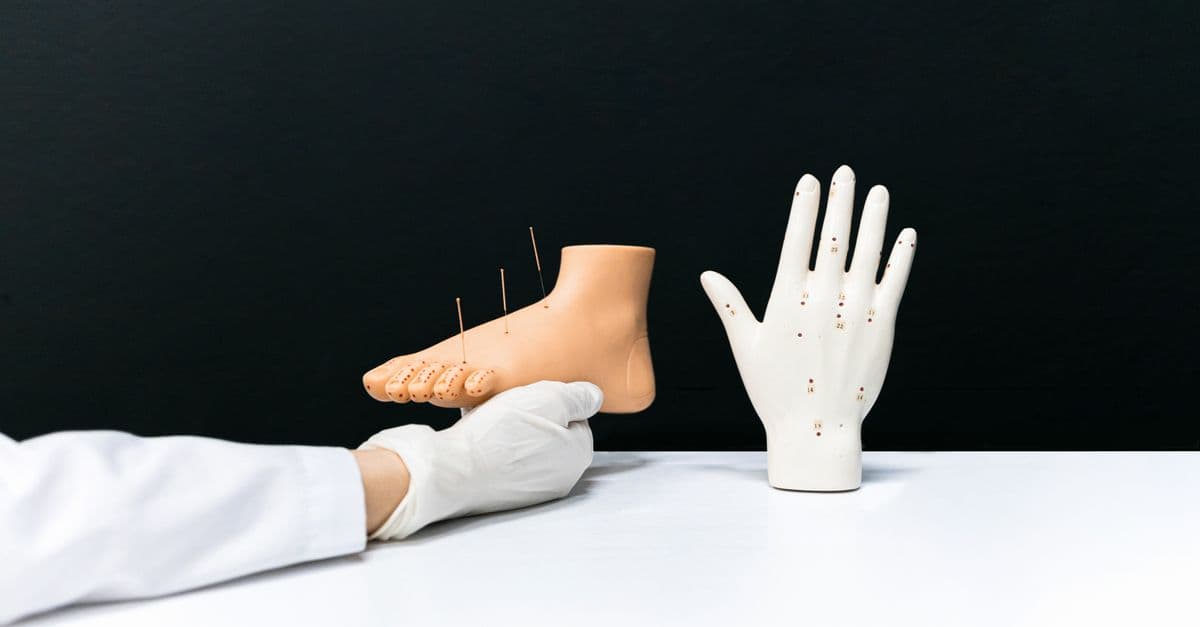
Create evidence-based acupuncture treatment plans that synthesize Traditional Chinese Medicine diagnostics with Western medical findings and patient history. You'll generate customized protocols with specific point recommendations, patient education materials, and professional clinical documentation ready for patient handoff and insurance submission.

Create comprehensive, clinically-sound patient care protocols that seamlessly combine conventional diagnostics with herbal, nutritional, and lifestyle interventions. You receive structured protocols with evidence citations, safety considerations, patient education components, and monitoring frameworks tailored to specific health conditions or patient populations.

You'll create comprehensive supportive care protocols and clinical documentation for cancer patients that integrate naturopathic and evidence-based complementary approaches with conventional oncology. This skill generates customized protocols for specific cancer types, treatment phases, and patient populations, complete with patient education materials and safety screening. You'll produce clinically formatted documentation ready for practitioner use or patient-facing education.
Use this skill to run comprehensive digital health assessments that gather client lifestyle, medical, and behavioral data, then automatically generate personalized wellness plans grounded in evidence-based behavior change principles. The skill creates actionable, realistic goals tailored to your client's circumstances and readiness for change, complete with progress tracking tools and structured accountability protocols.

Design comprehensive, periodized nutrition programs that adapt to your athletes' training phases, competition schedules, and sport-specific demands. You'll synchronize macronutrient ratios, micronutrient timing, and hydration protocols with periodized training blocks to optimize performance across preparation, peak, and recovery phases. The skill analyzes athlete profiles, training structure, and competition calendars to generate actionable nutrition protocols grounded in sports science.

Generate comprehensive, personalized wellness plans tailored to individual client health profiles, goals, and lifestyles. You provide client information and Claude creates detailed, evidence-based plans including nutrition protocols, exercise routines, behavioral strategies, and progress tracking tools. Plans are customized for remote delivery with built-in accountability and monitoring mechanisms.