

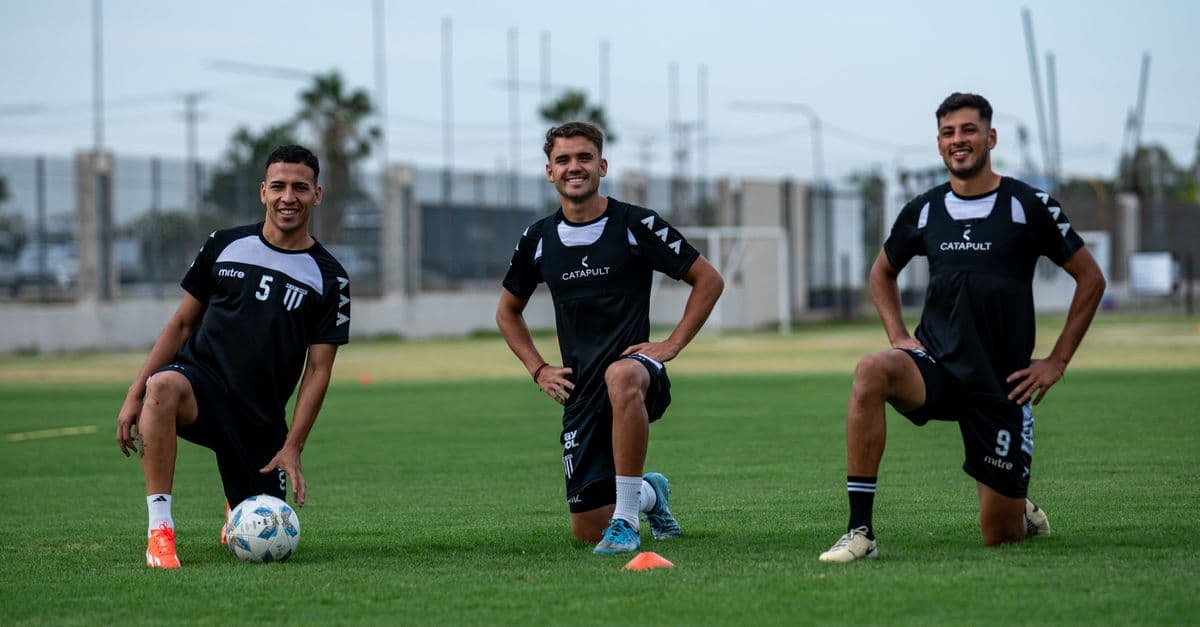
Youth Athlete Development Planner
Build age-appropriate periodized training plans for youth athletes
What You Can Do
Design comprehensive, periodized training progressions tailored to young athletes' developmental stages using Claude. This skill generates science-based frameworks that balance athletic performance goals with age-appropriate exercise selection, long-term athletic development principles, and injury prevention protocols specific to youth populations.
Features
Create multi-phase training plans (macrocycles, mesocycles, microcycles) with specific phase objectives, volume progression, and intensity management tailored to athlete age and developmental readiness
Ensures every exercise matches developmental capacity and movement maturity, avoiding high-risk movements for younger athletes while building foundational movement quality
Maps technical skill development, strength phases, and competitive phases to athlete maturity levels and biological development windows
Incorporates movement quality assessments, exercise progressions, and risk mitigation strategies specific to youth populations and common growth-related vulnerabilities
Designs age-appropriate fitness testing batteries with baseline norms, scoring rubrics, and progress tracking systems for objective athlete evaluation
Develops evidence-based assessment frameworks to identify movement quality, athletic potential, and readiness for advanced training in young athletes
Customizes development plans for individual sports (soccer, basketball, gymnastics, track and field, volleyball, etc.) with sport-specific movement patterns and demands
Generates parent-friendly progress reports, athlete goal-setting forms, and coaching guidelines that explain development in clear, jargon-free language
Example Output
Example 1: 12-Week Training Cycle for 10-Year-Old Soccer Player
Phase 1 (Weeks 1-4) - Movement Foundation
- Focus: Movement quality, basic coordination, aerobic base
- 3 sessions/week, 60 min each
- Key exercises: Lateral shuffle progressions, single-leg balance work, agility ladder drills
- Progression: Increase drill complexity, reduce rest intervals
Example 2: Talent Identification Assessment (U12 Basketball)
Movement Quality Tests (Score 1-10):
- Single-leg stance stability (30 sec each leg) - Evaluates proprioception and core control
- Lateral bound symmetry - Assesses lower-body power symmetry and landing mechanics
- Overhead squat pattern - Identifies mobility and movement quality
Advanced Athletes (Score 8+) → Advanced technical training pathway
Example 3: Parent Progress Report
Quarter 2 Highlights:
- Improved lateral movement control (test scores +15%)
- Mastered 4 new agility progressions
- Zero injury reports, excellent form consistency
Next Quarter Goal: Build rotational power for sport-specific movements
What's Included
- Periodized Training Plans: Complete multi-phase training cycles with weekly progression, daily workout structure, exercise selection, volume/intensity parameters, and progression guidelines
- Exercise Progression Frameworks: Tiered movement sequences with detailed descriptions, coaching cues, modification options, and regression strategies for different skill and readiness levels
- Assessment Protocols: Age-specific testing batteries with administration instructions, scoring rubrics, baseline norms, and interpretation guidance for objective progress tracking
- Coaching Execution Guides: Detailed instructions for exercise teaching, safety considerations, common movement errors, and age-appropriate coaching cues and feedback strategies
- Progress Tracking Templates: Documentation systems for recording performance data, identifying trends, assessing readiness for progression, and adjusting training based on athlete response
- Stakeholder Communication Materials: Parent progress reports, athlete goal-setting worksheets, quarterly summaries, and family-friendly explanations of training phases and development milestones
Who It's For
- Youth Strength and Conditioning Coaches
- Sports Performance Specialists
- Youth Athletic Directors and Club Administrators
- Parents of Young Athletes
- Physical Education Teachers
Best For
- Creating multi-year athlete development pathways from youth through competitive stages
- Designing periodized training cycles with specific phase objectives and progression rates
- Building evidence-based talent identification and assessment frameworks
- Establishing age-appropriate injury prevention and movement quality protocols
- Communicating athlete progress and development to families and stakeholders
You might also like
Transform raw athlete metrics into actionable periodized training programs using evidence-based coaching frameworks. You can analyze performance data across multiple dimensions (strength, power, endurance, speed), identify patterns and performance gaps, generate customized training phases aligned with competition calendars, and provide data-driven performance feedback with specific recovery recommendations and injury risk assessments.
 by pikkujs
Create structured return-to-play (RTP) protocols that incorporate evidence-based clinical frameworks, progressive loading stages, and objective outcome criteria. You'll generate injury-specific rehabilitation plans with clinical decision trees, risk stratification, and documentation templates that meet standard-of-care requirements. This accelerates protocol development from hours to minutes while ensuring consistency and clinical defensibility.
by pikkujs
You can design rigorous exercise intervention research protocols from concept to IRB submission, ensuring alignment with peer-review standards and best practices. The skill helps you evaluate the methodological quality of exercise studies using structured frameworks, identifying potential biases, confounding variables, and design threats. You'll receive comprehensive assessments of study designs against CONSORT, STROBE, and discipline-specific standards.
by pikkujs
You can create science-backed strength training programs tailored to your athletes' goals, experience levels, and sport demands. The skill uses periodization principles and evidence-based phase progression to build programs that optimize performance gains while minimizing injury risk. Each program includes detailed exercise selection, rep/set schemes, load calculations, and progressive overload strategies specific to your athlete's needs.
by pikkujs
You can systematically evaluate acute and chronic musculoskeletal injuries using validated clinical protocols and generate detailed, defensible documentation that meets professional standards. Claude structures your examination findings, produces rehabilitation recommendations grounded in current evidence, and organizes complex injury data into clear reports suitable for medical records and insurance submission.
by pikkujs
You can conduct comprehensive assessments of team cohesion, identify specific dysfunctional group processes like poor communication or misaligned goals, and receive tailored intervention strategies grounded in organizational psychology research. The skill generates actionable recommendations that strengthen psychological safety, improve collaboration, and boost overall team performance.
by pikkujsThis skill helps you systematically diagnose root causes of team dysfunction using structured assessment protocols, then design evidence-based interventions tailored to specific cohesion issues. You'll identify patterns across trust, communication, role clarity, and psychological safety. The result is a prioritized action plan that addresses the most impactful gaps first.
by pikkujs
Generate comprehensive injury assessments that analyze incident root causes, identify hazards, and quantify risk across your facility. Create detailed prevention protocols and return-to-work documentation that meet OSHA standards and occupational health regulations. Your plans integrate safety best practices with your specific workplace conditions to reduce incident rates and liability.
by pikkujs