


Strength & Conditioning Program Designer
Design periodized strength programs with phase progression and athlete adaptations
What You Can Do
You can create science-backed strength training programs tailored to your athletes' goals, experience levels, and sport demands. The skill uses periodization principles and evidence-based phase progression to build programs that optimize performance gains while minimizing injury risk. Each program includes detailed exercise selection, rep/set schemes, load calculations, and progressive overload strategies specific to your athlete's needs.
Features
Plans multi-phase training cycles (macrocycles, mesocycles, microcycles) with clear objectives for each block
Selects compound movements and accessory exercises matched to training phase and sport demands
Calculates volume, intensity, and density progression across training cycles with clear load targets
Tailors programs to energy system demands, movement patterns, and competitive schedules of target sports
Adjusts training for experience level, age, injury history, mobility limitations, and recovery capacity
Incorporates recovery weeks, autoregulation strategies, and RPE/RIR guidelines to prevent overtraining
Includes testing days, benchmark measurements, and progress tracking to validate program effectiveness
Suggests optimal weekly structure (upper/lower, push/pull/legs, full-body, sport-specific splits)
Example Output
12-Week Hypertrophy Phase for Strength Athletes
Phase Goals: Increase muscle cross-section, build work capacity, establish movement patterns
Weekly Structure:
- Monday: Lower Body Strength (5x3 back squat, 4x5 Romanian deadlift, 3x8 leg press)
- Tuesday: Upper Body Hypertrophy (4x6 bench, 4x8 barbell rows, 3x10 dips)
- Thursday: Lower Body Hypertrophy (4x8 front squat, 4x10 leg curls, 4x12 calf raises)
- Friday: Upper Body Strength (5x3 deadlifts, 4x5 weighted pull-ups, 3x8 chest dumbbell press)
- Saturday: Weak Point Development (accessory focus based on assessment)
Load Progression: Week 1-4 at 70% 1RM, Week 5-8 at 75% 1RM, Week 9-12 at 80% 1RM with volume increases
Deload Protocol: Every 4th week, reduce volume by 40%, lower intensity to RPE 6-7, focus on movement quality and recovery
Sport-Specific Example: Rugby Forward Off-Season
16-Week Periodization: Foundation (4 weeks, hypertrophy focus) → Strength (4 weeks, max strength, collision prep) → Power (4 weeks, explosive strength) → Competition Taper (4 weeks, maintenance)
Key Movements: Heavy squats, deadlifts, neck harness work, scrum-specific holds, explosive plyometrics (box jumps, medicine ball slams)
Competition Schedule Integration: In-season program maintains strength with 2 gym sessions weekly while prioritizing match recovery and position-specific conditioning
What's Included
- Periodization Structure: Multi-phase training roadmap with measurable objectives and progression criteria for each training cycle
- Exercise Database and Form Guidance: Specific movement selections with form cues, regression options, and progression pathways for each exercise
- Load and Volume Calculations: Weekly targets for volume (sets x reps x weight), intensity percentages (% 1RM), and RPE/RIR guidelines
- Weekly Training Splits: Day-by-day breakdown with exercise order, set/rep schemes, rest periods, and intensity prescriptions
- Recovery and Deload Protocols: Deload week templates, autoregulation strategies, and coaching guidance to prevent overtraining and burnout
- Testing and Progress Tracking: Performance benchmarks, testing day protocols, and data tracking sheets to monitor strength gains over time
Who It's For
- Strength and Conditioning Coaches designing programs for team athletes and individual strength clients
- Personal Trainers creating science-based strength progressions and periodized training plans
- Competitive Athletes programming their own training cycles for specific performance peaks
- Sports Teams developing off-season and in-season conditioning protocols for squad athletes
- Fitness Program Directors and educators building training systems for coaching certifications
Best For
- Off-Season Program Planning building 12-16 week comprehensive strength development cycles
- Sport-Specific Conditioning tailoring programs to demands of football, basketball, rugby, and other sports
- Athlete Development Programs creating age-appropriate progressions for youth athletic development
- Client Assessment and Customization adapting proven programs to individual movement patterns and goals
- Competition Peak Planning designing phase rotations and load management for specific competition dates
You might also like
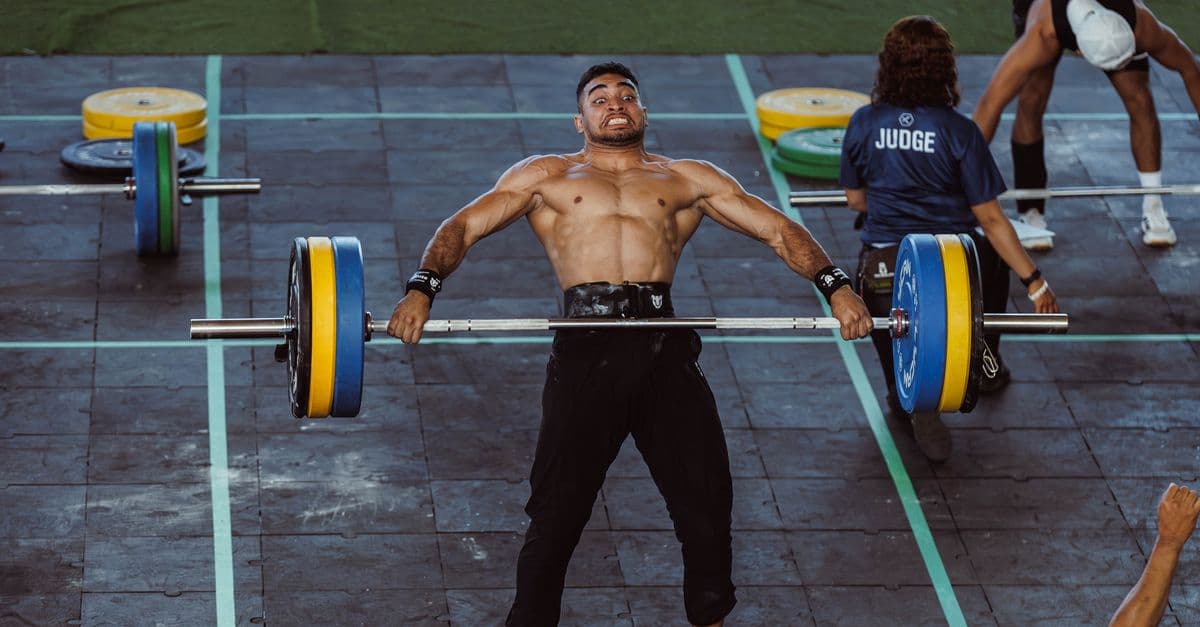
Transform raw athlete metrics into actionable periodized training programs using evidence-based coaching frameworks. You can analyze performance data across multiple dimensions (strength, power, endurance, speed), identify patterns and performance gaps, generate customized training phases aligned with competition calendars, and provide data-driven performance feedback with specific recovery recommendations and injury risk assessments.
 by pikkujs
Create structured return-to-play (RTP) protocols that incorporate evidence-based clinical frameworks, progressive loading stages, and objective outcome criteria. You'll generate injury-specific rehabilitation plans with clinical decision trees, risk stratification, and documentation templates that meet standard-of-care requirements. This accelerates protocol development from hours to minutes while ensuring consistency and clinical defensibility.
by pikkujs
You can design rigorous exercise intervention research protocols from concept to IRB submission, ensuring alignment with peer-review standards and best practices. The skill helps you evaluate the methodological quality of exercise studies using structured frameworks, identifying potential biases, confounding variables, and design threats. You'll receive comprehensive assessments of study designs against CONSORT, STROBE, and discipline-specific standards.
by pikkujs
You can systematically evaluate acute and chronic musculoskeletal injuries using validated clinical protocols and generate detailed, defensible documentation that meets professional standards. Claude structures your examination findings, produces rehabilitation recommendations grounded in current evidence, and organizes complex injury data into clear reports suitable for medical records and insurance submission.
by pikkujs
You can conduct comprehensive assessments of team cohesion, identify specific dysfunctional group processes like poor communication or misaligned goals, and receive tailored intervention strategies grounded in organizational psychology research. The skill generates actionable recommendations that strengthen psychological safety, improve collaboration, and boost overall team performance.
by pikkujsThis skill helps you systematically diagnose root causes of team dysfunction using structured assessment protocols, then design evidence-based interventions tailored to specific cohesion issues. You'll identify patterns across trust, communication, role clarity, and psychological safety. The result is a prioritized action plan that addresses the most impactful gaps first.
by pikkujsYou can create comprehensive clinical assessment protocols, standardized documentation templates, and regulatory-compliant procedures tailored to your specialty or department. This skill automates the development of clinical forms, assessment checklists, and protocol workflows that ensure consistent, evidence-based practice across your organization.
by pikkujs
Generate comprehensive injury assessments that analyze incident root causes, identify hazards, and quantify risk across your facility. Create detailed prevention protocols and return-to-work documentation that meet OSHA standards and occupational health regulations. Your plans integrate safety best practices with your specific workplace conditions to reduce incident rates and liability.
by pikkujs