

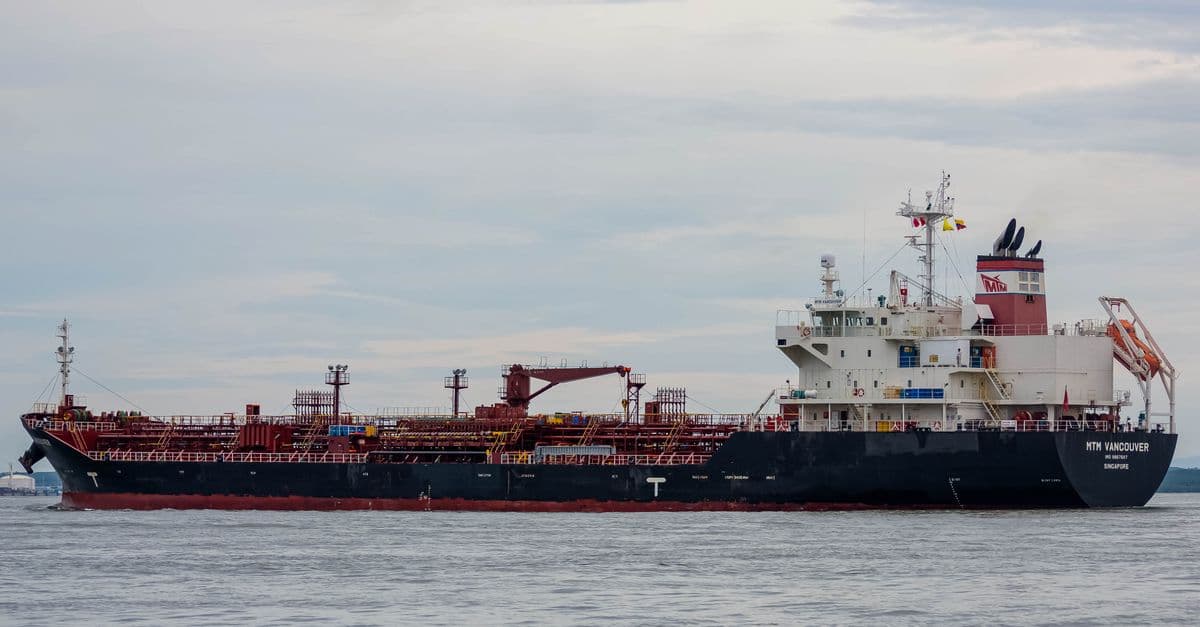
Tramp Voyage Economics & Route Optimization
Optimize tramp shipping routes and analyze voyage profitability instantly
What You Can Do
You get a structured framework for evaluating voyage economics comprehensively—from fuel costs and port expenses to market rates and TCE (Time Charter Equivalent) calculations. The skill automates breakeven analysis, route comparison, and acceptance/rejection criteria so you can make data-driven decisions on which voyages to commit to. It also flags risk factors and highlights optimization opportunities across route segments.
Features
Calculate gross profit, net profit, and return on vessel deployment for any proposed voyage using structured cost-down templates.
Compute Time Charter Equivalent rates and compare against current market benchmarks to assess voyage attractiveness relative to alternatives.
Evaluate multiple route options by fuel consumption, transit time, port fees, and canal charges to identify the lowest-cost path.
Determine the minimum freight rate, bunker price, or canal fee required to avoid losses on a given voyage.
Analyze fuel consumption by speed, distance, and vessel specs; calculate savings from speed optimization or alternative fuels.
Score and rank ports by cost, turnaround time, berth availability, and cargo handling reliability to minimize port delays.
Model how changes in fuel prices, freight rates, and route delays impact voyage profitability and identify break-even thresholds.
Generate acceptance/rejection decision trees based on your vessel's operating costs, market conditions, and risk tolerance.
Example Output
Example 1: Voyage Profitability Report
Voyage: Rotterdam → Singapore (Via Suez)
Vessel: Panamax Bulk Carrier (60,000 TEU equivalent)

Revenue: $2,450,000 (freight)
Variable Costs:
  - Fuel (HFO, 35 tons/day × 25 days × $580): $507,500
  - Port fees: $85,000
  - Canal tolls (Suez): $165,000
Fixed Costs (voyage-specific):
  - Crew overtime: $22,000
  - Insurance: $38,000
  - Documentation: $5,000

Gross Profit: $1,627,500
Net Profit: $1,567,500
TCE Rate: $34,200/day (vs market: $31,500) ✓ Attractive
ROI: 28% on vessel deployment
Example 2: Route Comparison Matrix
        | Distance | Fuel (tons) | Port Fees | TCE Rate | Transit Days | Profit |
  Route A | 12,400nm |    310     | $85k      | $32.1k   |      25      | $1.52M |
  Route B | 13,200nm |    420     | $120k     | $29.8k   |      28      | $1.38M |
  Route C | 11,800nm |    295     | $62k      | $35.4k   |      24      | $1.68M ✓ |

Recommendation: Route C (Suez routing optimizes fuel consumption; saves $160k vs Route B)
Example 3: Breakeven Analysis
Voyage: Hamburg → New York
Fixed & Variable Costs: $1,340,000

Breakeven Freight Rate: $18,500/TEU (currently offered: $19,200/TEU)
Margin: +$700/TEU (+3.8%)

Breakeven Bunker Price: $625/MT (currently: $580/MT)
Safety margin: -$45/MT (tight—recommend fuel hedging)

Decision: ACCEPT with fuel hedge at $610/MT max
What's Included
- Voyage Cost Breakdown Template: Structured cost-down covering fuel, port fees, canal tolls, crew costs, insurance, and vessel-specific operating expenses.
- TCE Calculation Framework: Step-by-step methodology to compute Time Charter Equivalent and compare against published market benchmarks.
- Route Optimization Checklist: Criteria for evaluating distance, fuel efficiency, port infrastructure, transit time, and regulatory constraints by route option.
- Acceptance/Rejection Decision Tree: Rules-based flowchart for accepting or rejecting voyages based on profitability thresholds, market conditions, and risk tolerance.
- Breakeven Sensitivity Analysis: Templates for modeling how rate changes, fuel price swings, and delay impacts affect voyage profitability.
- Market Positioning Guide: Framework for benchmarking your voyage economics against current spot rates, period rates, and peer operators.
Who It's For
- Ship Operators & Fleet Managers
- Voyage & Operations Managers
- Charterers & Brokers
- Shipping Analysts & Market Researchers
- Vessel Owners & Shipowners
Best For
- Voyage Acceptance & Rejection Decisions
- Route Selection & Optimization
- Profitability Forecasting & Risk Assessment
- Market Rate Analysis & Positioning
- Fuel Cost Optimization & Speed Optimization
You might also like

You synthesize maritime incident reports, policy documents, and witness statements into a structured P&I liability assessment that quantifies fault exposure, identifies applicable coverage, and recommends reserve amounts. The skill cross-references policy clauses, compares your claim to historical precedents, and flags regulatory notification requirements by jurisdiction.
 by leoyeai
Automatically audit your ocean freight documentation against maritime regulations, carrier requirements, and port regulations. This skill reviews bills of lading, packing lists, customs forms, and shipping instructions to identify compliance gaps, missing fields, and regulatory violations before they delay your shipment or trigger port holds.
by leoyeai
Get a detailed analysis of your customer acquisition costs by channel, identify inefficiencies, and receive data-driven budget reallocation recommendations. You'll model unit economics, benchmark against industry standards, and forecast ROI under different spending scenarios to maximize your marketing efficiency.
by leoyeai
This skill analyzes your customer acquisition costs across all marketing channels, benchmarks performance against industry standards, and identifies high-ROI opportunities for budget reallocation. You receive detailed metrics on cost-per-acquisition, payback periods, and lifetime value ratios by channel, plus specific recommendations for where to increase or decrease spending to maximize overall profitability.
by leoyeai
Rapidly evaluate the impact of port closures, labor actions, weather delays, and equipment failures on your liner schedule. You receive data-driven rerouting recommendations that balance fuel costs, transit time, and customer commitments—plus ready-to-send communication templates to keep stakeholders informed and preserve margins.
by leoyeai
Assess war risk exposure for maritime operations by analyzing current conflict zones and shipping routes, draft comprehensive policy terms tailored to geopolitical conditions and voyage specifics, and evaluate claims against coverage scope. You'll also benchmark your war risk premiums against market rates and regulatory requirements, ensuring competitive pricing and full compliance with marine insurance standards.
by leoyeai
You can analyze multimodal shipping options (truck, rail, air, sea) and receive optimized route recommendations that balance cost, speed, and capacity constraints. The skill automatically evaluates trade-offs between different transportation modes, identifies consolidation opportunities, and generates detailed logistics plans with cost and time estimates.
by leoyeai
You can analyze the complete financial picture of any tramp shipping voyage, from fuel consumption and port costs to crew expenses and regulatory compliance. Claude models different routing scenarios, cargo combinations, and market conditions to identify the most profitable voyage options. Whether you're evaluating a specific rate proposal or testing multiple what-if scenarios for fleet deployment, you get detailed cost breakdowns, margin analysis, and actionable recommendations.
by leoyeai