


Therapeutic Session Documentation & Clinical Record Management
Structure counseling sessions with clinical accuracy and compliance documentation
What You Can Do
You can generate comprehensive, clinically accurate session notes that capture presenting concerns, clinical observations, treatment progress, and safety assessments. Claude helps you organize session data into structured documentation that supports continuity of care, facilitates supervision and consultation, and maintains compliance with legal and ethical standards. This skill ensures nothing critical falls through administrative gaps while freeing you to focus on clinical judgment rather than documentation mechanics.
Features
Automatically structure observations into presentation, clinical assessment, interventions used, and client response with proper documentation formatting
Create or update treatment plans that align session progress with clinical goals, including measurable objectives and intervention strategies
Track therapeutic patterns across multiple sessions to identify progress, resistance, or needed intervention adjustments
Structure crisis assessment, risk evaluation, and safety planning documentation for high-acuity situations
Monitor presenting symptoms against diagnostic criteria and document clinical reasoning for diagnostic formulation
Generate summaries and referral documentation for communication with other healthcare providers
Organize session material for clinical supervision including clinical dilemmas, client dynamics, and countertransference observations
Ensure documentation includes legally required elements and maintains HIPAA-compliant record structure
Example Output
Example 1: Session Note Structure
- Client: Jane D. | Session #: 8 of 12 | Date: [Date] | Modality: Individual
- Presenting Concerns: Anxiety surrounding workplace performance evaluations; sleep disruption 3-4x weekly
- Clinical Observations: Client demonstrated improved affect regulation compared to Session 7; used grounding technique independently during anxiety spike
- Interventions: Cognitive restructuring for catastrophic thinking; behavioral activation plan for sleep hygiene
- Client Response: Engaged with techniques; identified one core belief to challenge this week
- Progress Note: Anxiety severity trending downward (client report 7/10 → 5/10); demonstrates growing insight
- Next Session Focus: Exposure hierarchy for evaluation-related anxiety
Example 2: Treatment Plan Update
- Goal 1: Reduce anxiety symptoms to baseline (current: 5/10 → target: 3/10)
- Objective 1a: Identify and challenge 3 catastrophic thoughts weekly
- Objective 1b: Implement sleep protocol 5 nights weekly
- Goal 2: Increase confidence in workplace performance
- Objective 2a: Develop competency list identifying past successes
- Objective 2b: Complete exposure practice before next evaluation
Example 3: Safety Assessment Documentation
- Risk Assessment: Suicidal ideation present (passive, no plan/intent/means); protective factors include: strong family connection, employment, previous coping success
- Safety Plan: Crisis hotline number provided; agreed to contact therapist if thoughts escalate; identified support person
- Clinical Decision: Continue weekly sessions; no hospitalization indicated at this time
What's Included
- SKILL.md instruction file with clinical best practices and documentation standards:
- Session Note Template: Structured format for individual, couples, family, and group sessions
- Treatment Plan Framework: Goal-setting and objective development aligned with clinical progress
- Safety Assessment Checklist: Risk and protective factors documentation for crisis situations
- Pattern Tracking Worksheet: Monitor client presentation trends, intervention effectiveness, and clinical changes
- Care Coordination Summary Template: Format for referrals and provider communication
- Supervision Preparation Guide: Organize clinical material for supervision consultation
Who It's For
- Licensed counselors and therapists — Individual and group practice clinicians managing multiple cases
- Clinical supervisors — Monitor supervisee documentation quality and clinical decision-making patterns
- Care coordinators in behavioral health — Manage documentation across provider teams and care transitions
- Psychiatrists and psychiatric nurse practitioners — Structure clinical documentation alongside medication management
- Community mental health professionals — Maintain compliance documentation in resource-limited settings
Best For
- Completing session notes within 24-48 hours of client contact
- Developing or revising treatment plans based on session progress
- Documenting high-acuity situations requiring detailed safety assessment
- Organizing clinical material for supervision or consultation
- Tracking therapeutic patterns to inform intervention adjustments
- Preparing records for care transitions or provider referrals
You might also like
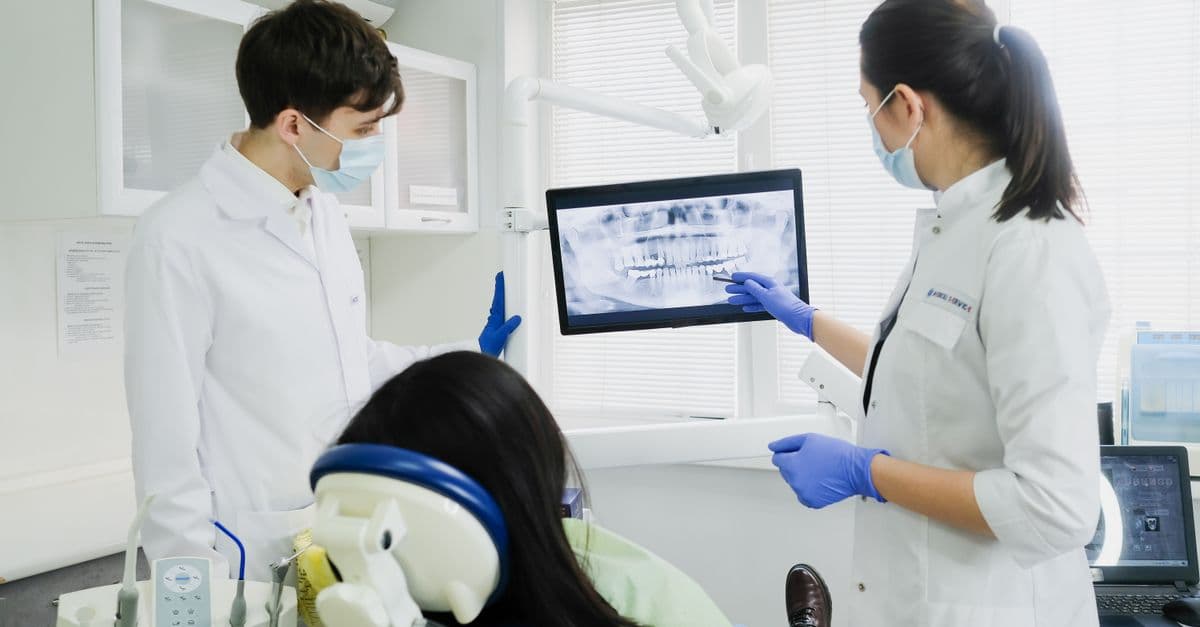
You can systematically analyze complex oral surgical cases by generating comprehensive pre-operative plans that consider osseous anatomy, neurovascular structures, and patient-specific risk factors. Claude structures multifactorial surgical analysis into actionable operative protocols, risk stratification reports, and detailed procedural workflows that reduce surgical time and improve clinical outcomes while providing medical-legal documentation.
 by gptomics
You can systematically generate ranked differential diagnoses for presenting complaints (chest pain, dyspnea, abdominal pain, headache, joint pain, fatigue) by applying evidence-based clinical decision rules and risk stratification. The skill helps you identify red flags that change management priority, justify test selection to supervising physicians, and document diagnostic reasoning in the medical record while reducing anchoring bias and ensuring comprehensive consideration of serious diagnoses.
by gptomics
Conduct comprehensive sports injury assessments using standardized orthopedic tests, mechanism-of-injury analysis, and functional capacity evaluation. You'll document findings in insurance-compliant formats, identify red flags requiring referral, establish objective baseline measurements for progress tracking, and generate evidence-based return-to-play recommendations with clear functional milestones.
by gptomics
This skill guides you through structured psychiatric case formulation using a biopsychosocial framework. You input patient presentation, assessment data, and clinical history, then receive a comprehensive formulation that integrates symptom synthesis, differential diagnosis reasoning, predisposing/precipitating/perpetuating factors, protective factors, and evidence-based treatment recommendations. The output is suitable for clinical documentation, insurance authorizations, case conferences, and supervision.
by gptomics
You can rapidly synthesize complex patient data—comorbidities, functional status, labs, medications—into a comprehensive risk profile and actionable optimization plan. This skill guides you through ASA classification, procedure-specific risk stratification, and patient-centered consent documentation to ensure thorough clinical reasoning and defensible preoperative assessment.
by gptomics
This skill examines three critical domains of your hiring process: job posting language (gendered terms, credential inflation, ableist language), pipeline diversity metrics (representation gaps at each funnel stage), and hiring structure (screening criteria, interview design, decision frameworks). You'll surface bias patterns that discourage qualified candidates and receive concrete recommendations to redesign postings, sourcing channels, and processes for greater equity.
by gptomics
You synthesize current clinical evidence into structured protocols tailored to your specialty and institutional context. This skill helps you build physician-nurse collaborative decision frameworks, identify implementation barriers before rollout, and create adoption guides that account for resource constraints and stakeholder buy-in. You'll develop protocols ready for medical staff committees and bedside teams—not generic templates, but specialty-specific standards that bridge research and practice.
by gptomics
You can create comprehensive, evidence-based perioperative pain management protocols tailored to individual patient characteristics and surgical requirements. The skill assesses patient risk factors, recommends optimized multimodal analgesia regimens with specific drug selections and dosing rationales, incorporates regional techniques when appropriate, and identifies contingency plans for inadequate pain control or contraindications. This enables you to move beyond generic guidelines toward truly personalized pain management strategies that reduce opioid exposure while maintaining analgesia.
by gptomics