

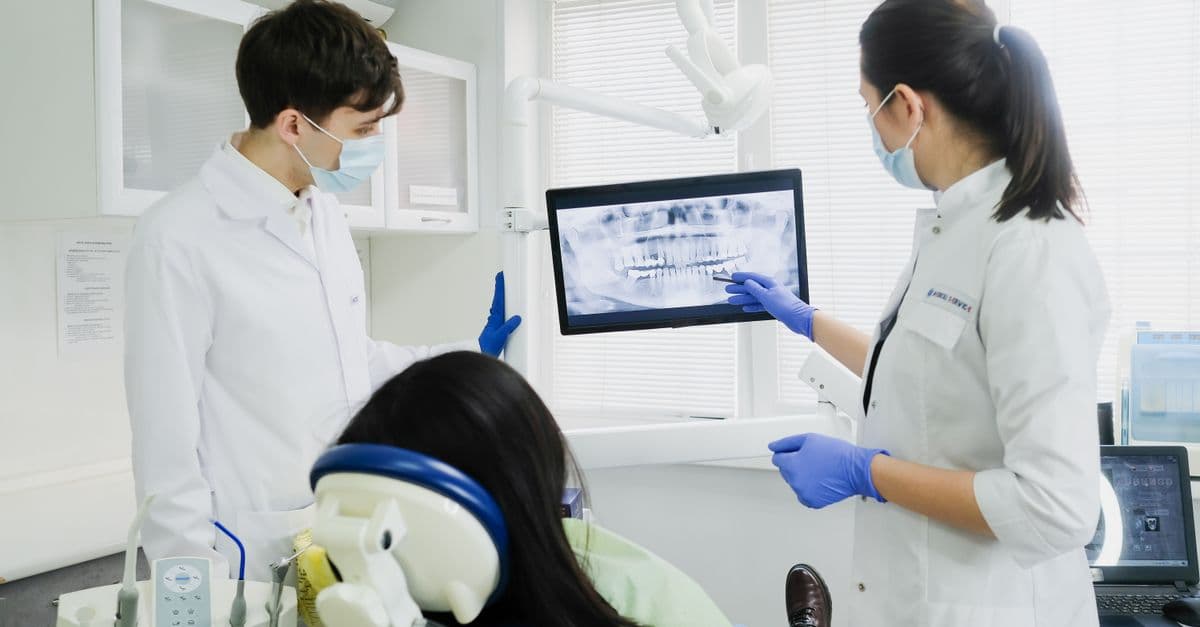
Surgical Case Planning Assistant for Oral Surgery
Generate pre-operative surgical plans and risk stratification for oral surgery cases
What You Can Do
You can systematically analyze complex oral surgical cases by generating comprehensive pre-operative plans that consider osseous anatomy, neurovascular structures, and patient-specific risk factors. Claude structures multifactorial surgical analysis into actionable operative protocols, risk stratification reports, and detailed procedural workflows that reduce surgical time and improve clinical outcomes while providing medical-legal documentation.
Features
evaluates bone density, ridge morphology, nerve pathways, and vascular anatomy from case details
identifies patient comorbidities, surgical complexity factors, and potential complications with evidence-based severity scoring
creates step-by-step surgical procedures customized to case-specific anatomy and patient factors
determines placement zones, bone grafting requirements, and sinus augmentation necessity
evaluates impaction depth, root morphology, and surgical extraction necessity with difficulty classification
flags anatomical hazards (IAN course, lingual artery proximity, nerve transposition risk)
generates standardized surgical briefs and procedural checklists for your surgical team
produces detailed pre-operative assessment records meeting standard-of-care documentation requirements
Example Output
Example 1: Impacted Third Molar Assessment
- Complexity Grade: III (Surgical extraction indicated)
- Risk Factors: Proximity to inferior alveolar nerve (2mm), mesioangular impaction, dense cortical bone
- Operative Protocol: 3-sided envelope flap, sectioning into distal and mesial fragments, lingual plate retraction technique
- Estimated OR Time: 25-35 minutes
- Post-op Complications Risk: Temporary paresthesia (8-12%), swelling (high)
Example 2: Implant Site Assessment
- Recipient Zone: #14 anterior to mental foramen
- Bone Classification: D2 (adequate for immediate implant)
- Augmentation Needed: Simultaneous buccal plate augmentation (estimated 3mm resorption)
- Graft Material Recommendation: Deproteinized bovine bone + collagen membrane
- Implant Placement Protocol: Crestal approach, 35 Ncm insertion torque, 6-month osseointegration timeline
Example 3: Risk Stratification Summary
- ASA Classification: III (controlled hypertension, diabetes)
- Surgical Risk Level: Moderate
- Anesthesia Considerations: Extended monitoring, hemostasis protocol, post-op glucose monitoring
What's Included
- SKILL.md instruction file with full surgical case planning methodology:
- Pre-operative Assessment Template: standardized form capturing patient history, imaging findings, and anatomical considerations
- Risk Stratification Checklist: systematic evaluation of patient comorbidities and surgical complexity factors
- Operative Protocol Workflow: step-by-step procedure design framework for common oral surgical cases
- Complication Prevention Checklist: anatomical hazard identification and mitigation strategies
Who It's For
- Oral surgeons — planning complex extractions, implant surgery, and reconstructive cases
- Maxillofacial surgeons — managing orthognathic and trauma cases requiring detailed pre-operative analysis
- Dental implant specialists — developing treatment plans with bone grafting and augmentation components
- Surgical residents and fellows — learning systematic case analysis and protocol development
- Dental practice managers — standardizing surgical documentation and team communication protocols
Best For
- Complex tooth extraction planning (impacted, retained roots, surgical extractions)
- Implant site assessment and bone grafting protocol development
- Risk stratification for medically compromised surgical patients
- Operative protocol creation for surgical team standardization
- Pre-operative documentation and medical-legal case protection
- Resident education and case-based surgical teaching
You might also like

You can conduct comprehensive, real-time labor progression assessments that integrate cervical findings, descent patterns, uterine contractions, and psychosocial factors into structured clinical evaluations. The skill synthesizes complex obstetric data aligned with ACNM standards and birth center protocols, enabling you to identify prolonged labor or arrest disorders early and make informed decisions about continuing birth center support or recommending transfer before complications develop.
 by gptomics
You can rapidly synthesize complex patient data—comorbidities, functional status, labs, medications—into a comprehensive risk profile and actionable optimization plan. This skill guides you through ASA classification, procedure-specific risk stratification, and patient-centered consent documentation to ensure thorough clinical reasoning and defensible preoperative assessment.
by gptomics
This skill guides you through structured psychiatric case formulation using a biopsychosocial framework. You input patient presentation, assessment data, and clinical history, then receive a comprehensive formulation that integrates symptom synthesis, differential diagnosis reasoning, predisposing/precipitating/perpetuating factors, protective factors, and evidence-based treatment recommendations. The output is suitable for clinical documentation, insurance authorizations, case conferences, and supervision.
by gptomics
You can conduct comprehensive subluxation assessments on pediatric patients by integrating structural examination findings, functional limitations, parental observations, and neurological indicators within a developmental context. Claude helps you correlate specific subluxations to presenting complaints (colic, ear infections, torticollis, scoliosis patterns) and create objective documentation suitable for insurance, medical records, and referral purposes. You'll develop age-appropriate treatment plans that address both the subluxation and the child's unique physiological stage.
by gptomics
You can rapidly organize scattered assessment data (OTPF-4 domains, ADL/IADL observations, standardized test results) into defensible treatment plans that clearly connect functional gaps to specific interventions. This skill helps you document medical necessity for insurers, communicate functional limitations to patients and families in plain language, and design adaptive strategies with documented clinical rationale—reducing documentation time by 40-50% while ensuring compliance across any OT setting.
by gptomics
You can systematically evaluate surgical candidates by analyzing comorbidities, functional status, and lab/imaging results to generate evidence-based risk stratification and optimization plans. The skill helps you identify which patients need specialist input, determine pre-operative timeline feasibility, and communicate risk clearly to patients and surgical teams—reducing perioperative morbidity by targeting modifiable factors before surgery.
by gptomics
You can perform structured sports injury evaluations that incorporate mechanism-of-injury analysis, orthopedic special testing, functional movement screening, and clear referral criteria. The skill helps you differentiate soft tissue restrictions from joint dysfunctions, establish baseline function, and create evidence-based return-to-play milestones tailored to the athlete's sport and position. You'll generate documentation suitable for insurance records, team physician communication, and liability protection.
by gptomics
You can systematically generate ranked differential diagnoses for presenting complaints (chest pain, dyspnea, abdominal pain, headache, joint pain, fatigue) by applying evidence-based clinical decision rules and risk stratification. The skill helps you identify red flags that change management priority, justify test selection to supervising physicians, and document diagnostic reasoning in the medical record while reducing anchoring bias and ensuring comprehensive consideration of serious diagnoses.
by gptomics