

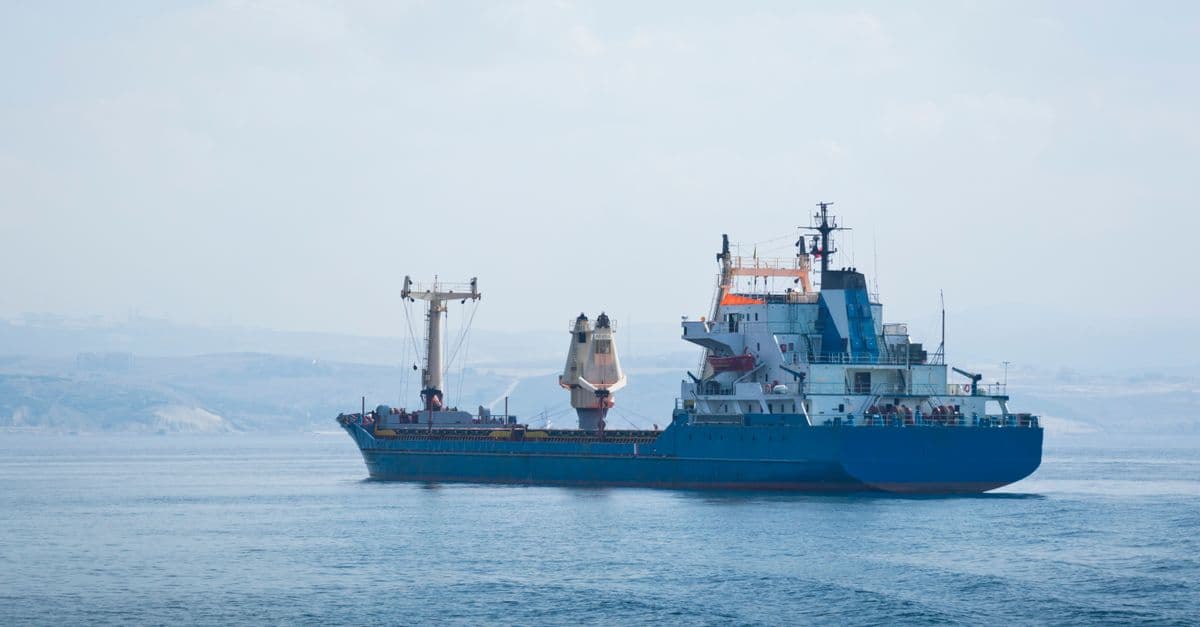
Tanker Cargo Operations Planner
Plan tanker cargo ops, identify hazards, generate crew procedures, assess risks
What You Can Do
You can generate comprehensive cargo operation plans for tanker vessels that identify all hazards, create detailed crew procedures, and assess operational risks. This skill analyzes vessel specifications, cargo characteristics, and port conditions to produce actionable safety plans. You get ready-to-use checklists, risk matrices, and crew briefing documents that meet maritime safety standards.
Features
Generate detailed step-by-step operation plans including loading/discharge sequences, valve operations, tank sequencing, and pressure monitoring points
Systematically identify chemical, physical, and operational hazards specific to your cargo type and vessel combination with root cause analysis
Create standardized operating procedures tailored to your vessel type, crew experience level, and specific cargo requirements
Evaluate operational risks using maritime risk matrices and generate specific control measures and mitigation strategies for each hazard
Produce pre-operation, during-operation, and post-operation verification checklists for crew sign-off and compliance tracking
Develop contingency procedures for common cargo operation emergencies like spills, valve failures, pressure excursions, and manifold leaks
Ensure all procedures align with IMO ISGOTT, SOLAS, IBC Code, port-specific requirements, and flag state regulations
Example Output
Example 1: Crude Oil Loading Plan
Operation Overview
- Vessel: Suezmax Tanker (150,000 DWT)
- Cargo: Crude Oil (API 35°, 0.82 SG)
- Port: Singapore, Berth 4
- Duration: 42 hours
Loading Sequence
- Tank preparation: ventilation (30 min), temperature stabilization, sampling
- Manifold connection: pressure test to 1.5× working pressure, leak detection
- Line fill: monitor backpressure, adjust flow rate to <1 m/s
- Main loading: stripping sequence follows Tank A→B→C schedule
- Final closure: confirm all tank caps, sample final 500L, document results
Hazards Identified
- Static electricity buildup → Mitigation: bonding cables, humidity monitoring
- Vapor accumulation → Mitigation: continuous ventilation, oxygen sensors
- Overpressure → Mitigation: relief valve set at 2.5 bar, backup valve installed
- Hot work ignition → Mitigation: 25m exclusion zone, hot work permits required
Example 2: Risk Matrix Summary
| Hazard | Likelihood | Severity | Current Risk | Control | Residual Risk |
|---|---|---|---|---|---|
| Vapor explosion | Low | Critical | High | Ventilation + monitoring | Medium |
| Static discharge | Medium | Medium | Medium | Bonding + humidity control | Low |
| Cargo spillage | Low | High | Medium | Secondary containment ready | Low |
| Pressure relief | Medium | High | High | Dual relief valves | Medium |
Example 3: Pre-Operation Crew Briefing Checklist
- Cargo plan reviewed and approved by Master
- All tank inspections completed (oxygen, temperature, contamination)
- Personal protective equipment inventory confirmed
- Radio communication and emergency signals tested
- Manifold pressure tested and holds 1.5× working pressure
- Crew briefing attended by all watch keepers (signatures collected)
- Weather window confirmed (wave height <1.5m, wind <15 knots)
- Emergency response procedures reviewed (spill kit, absorbent materials ready)
What's Included
- Operation Planning Template: Sequenced loading/discharge plan with timelines, valve operations, tank sequencing, and real-time monitoring checkpoints
- Hazard Register: Comprehensive hazard list with root causes, potential consequences, existing safeguards, and current effectiveness ratings
- Crew Procedures Document: Detailed normal operating procedures plus emergency response procedures for common failures and operational deviations
- Risk Assessment Matrix: Likelihood × Severity risk table with current and residual risk ratings, and specific control measures for each hazard
- Safety Checklists: Pre-operation, during-operation, and post-operation verification checklists with crew sign-off fields and time stamps
- Contingency Procedures: Step-by-step emergency response guides for valve failures, overpressure events, cargo spillage, and manifest discrepancies
Who It's For
- Ship Masters and Captains
- Chief Officers (Cargo Operations)
- Tanker Safety Managers and Risk Assessors
- Port Operations Coordinators
- Maritime Compliance Officers
Best For
- Pre-operation cargo planning before loading/discharge operations
- Hazard identification and operational risk assessment
- Crew briefing preparation and safety induction documentation
- Regulatory compliance verification and documentation
- Emergency response procedure development for operational scenarios
You might also like

You synthesize maritime incident reports, policy documents, and witness statements into a structured P&I liability assessment that quantifies fault exposure, identifies applicable coverage, and recommends reserve amounts. The skill cross-references policy clauses, compares your claim to historical precedents, and flags regulatory notification requirements by jurisdiction.
 by leoyeai
Automatically audit your ocean freight documentation against maritime regulations, carrier requirements, and port regulations. This skill reviews bills of lading, packing lists, customs forms, and shipping instructions to identify compliance gaps, missing fields, and regulatory violations before they delay your shipment or trigger port holds.
by leoyeai
Get a detailed analysis of your customer acquisition costs by channel, identify inefficiencies, and receive data-driven budget reallocation recommendations. You'll model unit economics, benchmark against industry standards, and forecast ROI under different spending scenarios to maximize your marketing efficiency.
by leoyeai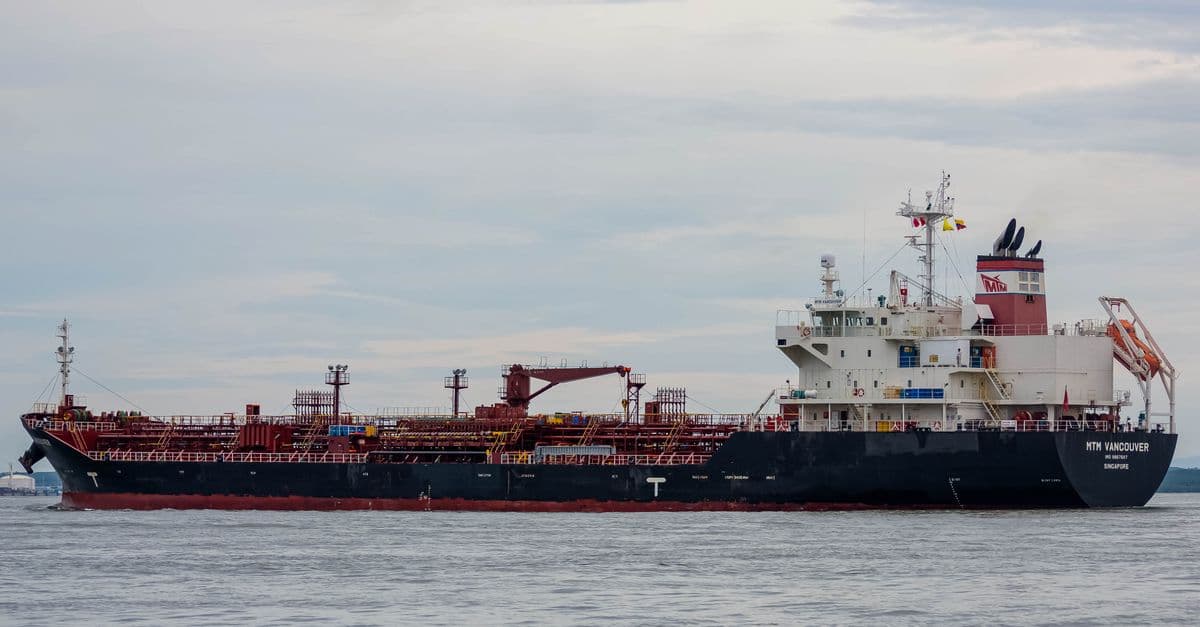
You get a structured framework for evaluating voyage economics comprehensively—from fuel costs and port expenses to market rates and TCE (Time Charter Equivalent) calculations. The skill automates breakeven analysis, route comparison, and acceptance/rejection criteria so you can make data-driven decisions on which voyages to commit to. It also flags risk factors and highlights optimization opportunities across route segments.
by leoyeai
This skill analyzes your customer acquisition costs across all marketing channels, benchmarks performance against industry standards, and identifies high-ROI opportunities for budget reallocation. You receive detailed metrics on cost-per-acquisition, payback periods, and lifetime value ratios by channel, plus specific recommendations for where to increase or decrease spending to maximize overall profitability.
by leoyeai
Rapidly evaluate the impact of port closures, labor actions, weather delays, and equipment failures on your liner schedule. You receive data-driven rerouting recommendations that balance fuel costs, transit time, and customer commitments—plus ready-to-send communication templates to keep stakeholders informed and preserve margins.
by leoyeai
Assess war risk exposure for maritime operations by analyzing current conflict zones and shipping routes, draft comprehensive policy terms tailored to geopolitical conditions and voyage specifics, and evaluate claims against coverage scope. You'll also benchmark your war risk premiums against market rates and regulatory requirements, ensuring competitive pricing and full compliance with marine insurance standards.
by leoyeai
You can analyze the complete financial picture of any tramp shipping voyage, from fuel consumption and port costs to crew expenses and regulatory compliance. Claude models different routing scenarios, cargo combinations, and market conditions to identify the most profitable voyage options. Whether you're evaluating a specific rate proposal or testing multiple what-if scenarios for fleet deployment, you get detailed cost breakdowns, margin analysis, and actionable recommendations.
by leoyeai