

Supply Chain Network Optimization & Analysis
Optimize multi-node supply chains for cost, service, and sustainability

What You Can Do
This skill analyzes complex supply chain networks to identify optimization opportunities across cost, service levels, and environmental impact. You can model network changes, evaluate supplier alternatives, and forecast the impact of disruptions before implementation. It provides data-driven recommendations for network redesign, inventory rebalancing, carrier selection, and sustainability improvements.
Features
Model your entire supply chain as an interconnected network of suppliers, distribution centers, and customers to see relationships and dependencies.
Analyze transportation, warehousing, procurement, and inventory costs to identify the highest-impact reduction opportunities.
Balance cost reduction with delivery speed and reliability metrics to find the optimal network configuration for your service requirements.
Calculate embodied emissions from transportation, facilities, and operations to track progress toward sustainability goals aligned with GRI standards.
Model what-if scenarios: new suppliers, facility closures, demand shifts, or disruptions to see financial and operational impact before committing.
Evaluate alternative suppliers and carriers on cost, service, sustainability, and risk metrics to make data-driven sourcing decisions.
Stress-test your network against supply interruptions, demand shocks, or geopolitical risks to identify vulnerabilities and mitigation strategies.
Convert recommendations into phased action plans with timelines, dependencies, and resource estimates for execution across your organization.
Example Output
Example 1: Cost Optimization Report
Current Network Cost Baseline: $45.2M annually

Top 3 Optimization Opportunities:
1. Consolidate 3 regional DCs into 2 (save $3.8M/yr, add 1 day to 12% of deliveries)
2. Switch Supplier B to Supplier C for 30% of SKUs (save $1.2M/yr, same lead time)
3. Optimize inbound consolidation points (save $0.9M/yr on LTL freight)

Recommended Target Network Cost: $39.3M/yr (13% reduction)
Service Impact: Delivery speed ±2%, reliability maintained
Example 2: Sustainability Impact Analysis
Current Carbon Footprint: 12,450 metric tons CO2e/year

Low-Cost Sustainability Wins:
- Regional supplier diversification: -800 tons (fewer long-haul imports)
- Mode shift to rail for 40% of LTL: -650 tons (lower emissions/unit)
- Consolidate shipments: -420 tons (fewer vehicle trips)

Target Carbon Footprint: 10,580 tons CO2e/year (-15%)
Additional cost: -$0.5M (overlaps with cost optimization)
Example 3: Scenario Comparison Matrix
| Scenario | Annual Cost | On-Time % | Carbon Tons | Implementation |
|----------|------------|-----------|------------|----------------|
| Status Quo | $45.2M | 95% | 12,450 | — |
| Cost Focus | $39.3M | 93% | 11,200 | 4 months |
| Service Focus | $47.1M | 98% | 12,100 | 6 months |
| Sustainability Focus | $43.8M | 94% | 9,850 | 5 months |
| Balanced (Recommended) | $40.1M | 94% | 10,580 | 4 months |
What's Included
- Supply Chain Network Analysis Framework: Comprehensive methodology for mapping nodes, lanes, costs, and performance metrics across your end-to-end supply chain.
- Cost Optimization Algorithms: Ready-to-use models for facility location, transportation optimization, procurement consolidation, and inventory rebalancing.
- Sustainability Metrics Calculator: Built-in carbon accounting for transportation modes, facility energy, and procurement emissions aligned with GRI and Scope 3 standards.
- Scenario Planning Templates: Pre-built templates for modeling demand changes, supplier transitions, facility decisions, and disruption scenarios.
- Benchmark & Reference Data: Industry benchmarks for cost ratios, service levels, and sustainability metrics by sector to contextualize your performance.
- Implementation Roadmap Generator: Turn recommendations into phased action plans with timelines, dependencies, resource estimates, and success metrics.
Who It's For
- Supply Chain Directors
- Logistics & Operations Managers
- Supply Chain Analysts
- Procurement & Sourcing Specialists
- Sustainability & ESG Managers
Best For
- Network optimization and facility location analysis
- Cost reduction and efficiency initiatives
- Sustainability and carbon footprint reduction
- Scenario planning and stress testing
- Supplier and carrier evaluation
You might also like

This skill systematically evaluates RFQ responses across multiple dimensions—price, quality, delivery, capability, and risk—to generate scoring matrices, risk assessments, and supplier rankings. You'll make data-driven sourcing decisions with transparent methodology and reduce vendor bias through weighted evaluation criteria aligned to your procurement priorities.
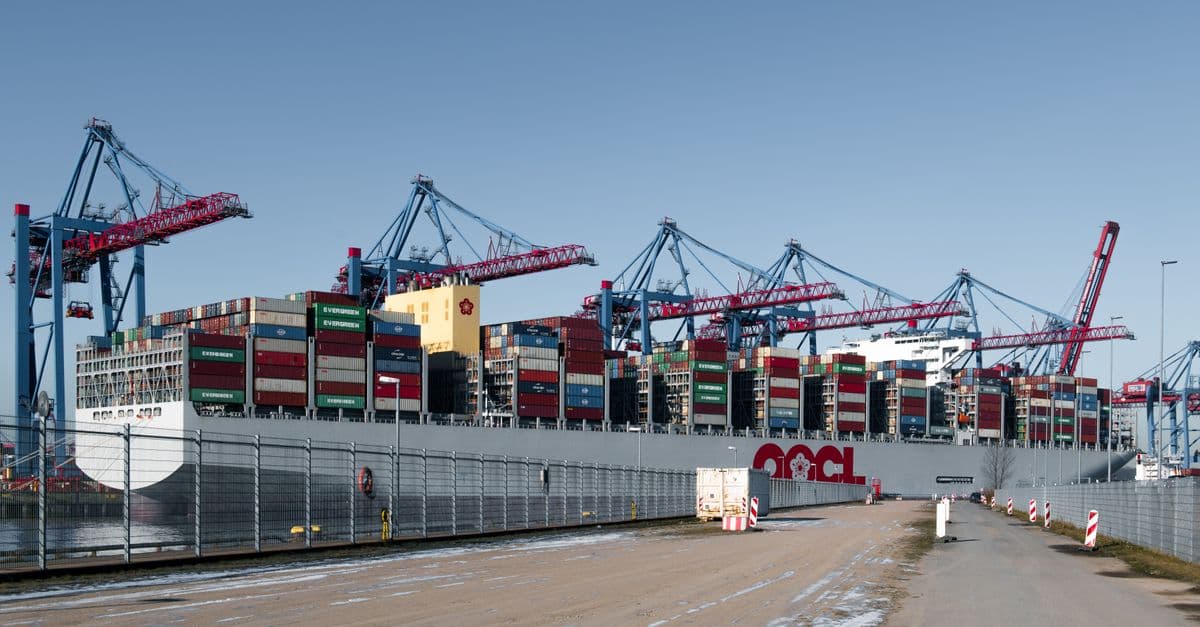
You can analyze shipping expenses across multiple carriers, identify cost-saving opportunities, and evaluate carrier performance metrics to reduce logistics expenses. The skill compares rates, delivery times, reliability scores, and service quality to help you negotiate better contracts and make data-driven carrier selection decisions.

You can analyze historical demand patterns, generate statistical forecasts with explicit assumptions, and create best/base/worst-case scenarios for supply chain planning. The skill evaluates demand seasonality, trends, and volatility to produce actionable forecasts with confidence intervals. Your results include documented methodology, key assumptions, and specific recommendations for inventory and production planning.
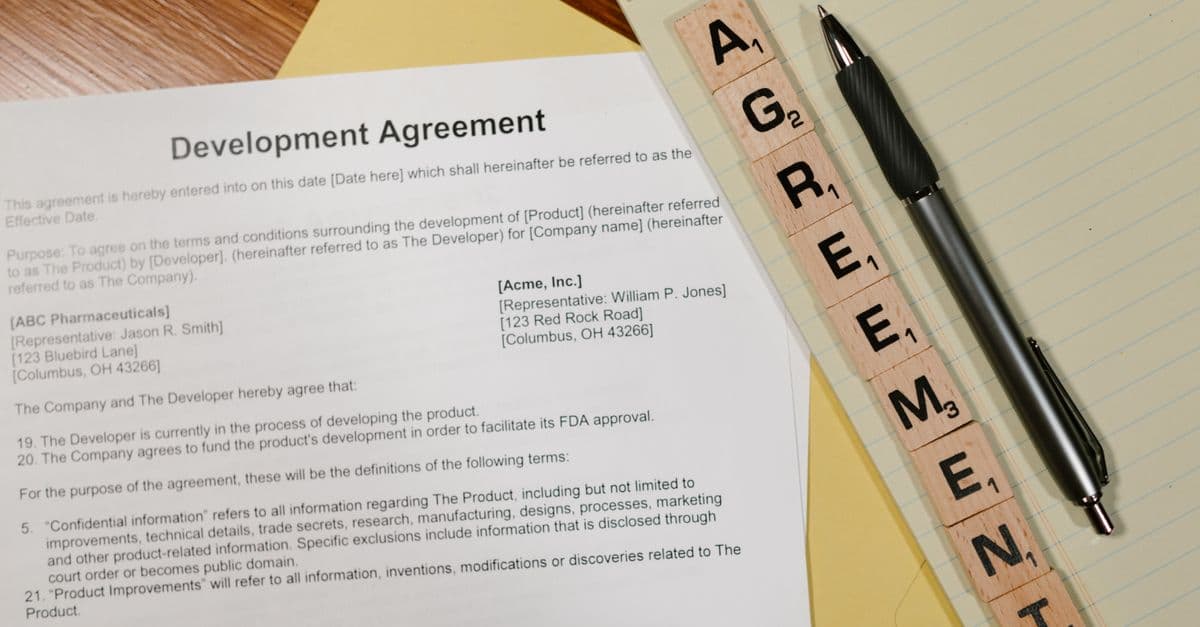
Analyze supplier capabilities and proposals using structured evaluation frameworks that score vendors across cost, quality, delivery, and risk dimensions. Claude builds comprehensive negotiation strategies with quantified leverage points, walkaway prices, and contract optimization recommendations. You'll reduce material costs by 10-20% while minimizing supply chain risks through data-driven decision-making.

You'll create comprehensive, data-driven vendor negotiation briefs that synthesize vendor background, pricing history, market position, and negotiation leverage into a concise, actionable brief. The skill analyzes your vendor context and generates talking points, risk assessments, and strategic recommendations tailored to your negotiation objectives.

This skill quickly analyzes inventory discrepancies from cycle counts, pinpoints the likely root causes, and recommends specific corrective actions to improve accuracy. You can upload count data, review detailed variance breakdowns by location or SKU, and get actionable insights to close gaps in your inventory management.

This skill transforms how you review and negotiate contracts by automatically identifying risks, spotting unfavorable clauses, and generating data-backed negotiation strategies. You get detailed risk scoring, compliance checks, and financial impact analysis—turning hours of manual review into minutes of actionable insights. It helps you close contracts faster while protecting your organization from costly mistakes.

This skill guides you through structured demand forecasting and launch planning when you have limited historical data for a new product. It builds multiple demand scenarios using comparable products, market signals, and validated growth curves, then creates cross-functional alignment frameworks to stress-test your assumptions and reduce launch risk.