


Soil & Groundwater Remediation Assessment Framework
Evaluate contaminated sites and generate defensible remediation strategies aligned with regulations
What You Can Do
You can synthesize complex environmental site assessment data into structured remediation recommendations that balance technical feasibility, regulatory compliance, and project economics. This skill guides you through contaminant pathway analysis, remedy alternative evaluation, and the development of defensible remedial action objectives (RAOs) and remedial design specifications suitable for regulatory submittals.
Features
evaluate Phase II ESA findings and contaminant profiles to identify primary exposure pathways (soil ingestion, groundwater exposure, vapor intrusion)
assess remedy options including excavation, soil capping, in-situ treatment, pump-and-treat systems, soil vapor extraction, and natural attenuation with technical justification
ensure recommendations meet MCLs, RBSLs, PRGs, and state-specific cleanup standards with documented risk assessment rationale
analyze site hydrogeology and contaminant fate/transport to predict remedy timeframes and sustainability
generate technical specifications and implementation frameworks with clear justification for regulatory review
develop residual risk evaluations and closure pathways demonstrating compliance with post-remediation standards
structure clear, measurable cleanup goals tied to exposure pathways and regulatory endpoints
format recommendations for regulatory submittals, community engagement, and project decision-making
Example Output
Example 1: Soil & Groundwater Remediation Recommendation
Site Condition: PCE-contaminated groundwater at 85 µg/L (MCL: 5 µg/L); vadose zone soil at 2.3 mg/kg (RBSL: 1.4 mg/kg)
Recommended Remedy: Two-phase approach—(1) In-situ chemical oxidation for vadose zone soil (depth 0–15 ft) with institutional control covenant; (2) Pump-and-treat system with granular activated carbon for groundwater, estimated 8–12 year timeframe to reach MCL. Vapor intrusion screening indicates low risk; institutional controls on groundwater use prevent exposure pathway.
Example 2: Vapor Intrusion Assessment
Finding: Chlorinated VOC concentrations in soil gas at 980 µg/m³ (VI criteria: 300 µg/m³); indoor air sampling pending.
Recommendation: Deploy sub-slab depressurization system (mitigation) pending indoor air results. If VI confirmed, active SVE with vapor treatment required. Technical basis: preferential inhalation pathway for volatiles; sub-slab system reduces soil-gas transport by 75–90% per EPA guidance.
What's Included
- SKILL.md instruction file: complete framework for systematic site assessment and remedy evaluation
- Site Assessment Checklist: Phase II findings compilation, contaminant inventory, and exposure pathway matrix
- Remedy Alternative Evaluation Template: structured comparison of remedy options with technical feasibility, cost, and timeline scoring
- Remedial Action Objectives (RAOs) Worksheet: contaminant-specific cleanup standards and exposure pathway alignment
- Regulatory Compliance Checklist: verification matrix for MCLs, RBSLs, PRGs, and state-specific requirements
- Remedial Design Specification Framework: technical specifications template with implementation sequencing and monitoring plans
Who It's For
- Environmental remediation specialists — systematize site assessment and develop defensible remedy recommendations for regulatory approval
- Environmental engineers — structure hydrogeological and contaminant fate/transport analysis into clear remediation strategies
- Environmental consultants — prepare RAOs, alternatives analysis, and remedial design reports for client and regulatory review
- Construction project managers — evaluate site conditions and remediation approaches to support project feasibility and scheduling
- Risk assessors and regulators — review and validate remediation pathways aligned with cleanup standards and exposure scenarios
Best For
- Phase II ESA follow-up analysis — convert findings into structured remediation recommendations and RAOs
- Remedial alternatives analysis — compare excavation vs. in-situ treatment vs. institutional controls with technical justification
- Regulatory submittal preparation — generate RAO documents, remedial design specifications, and risk assessment summaries
- Soil and groundwater remedy design — specify pump-and-treat, SVE, chemical oxidation, or capping systems with technical basis
- Vapor intrusion assessment and mitigation — evaluate VI pathways and recommend sub-slab depressurization or active treatment systems
You might also like

Query your local Screenpipe instance to retrieve screen recordings, audio transcriptions, UI element accessibility trees, keyboard/mouse input logs, and productivity analytics. You can search by keywords, filter by content type (audio, OCR, accessibility, input), set time ranges, and extract structured data about your applications, meetings, and work sessions without sending data to external servers.
 by az9713
This skill automates the detailed calculations required for electrical system design, converting connected loads to demand loads, sizing conductors and equipment per NEC standards, and analyzing voltage drop across feeders and branch circuits. You input project parameters and receive complete load schedules, equipment recommendations with ampacity ratings, conductor specifications, and code citations—eliminating manual calculation errors and enabling faster design iterations for permit-ready documentation.
by az9713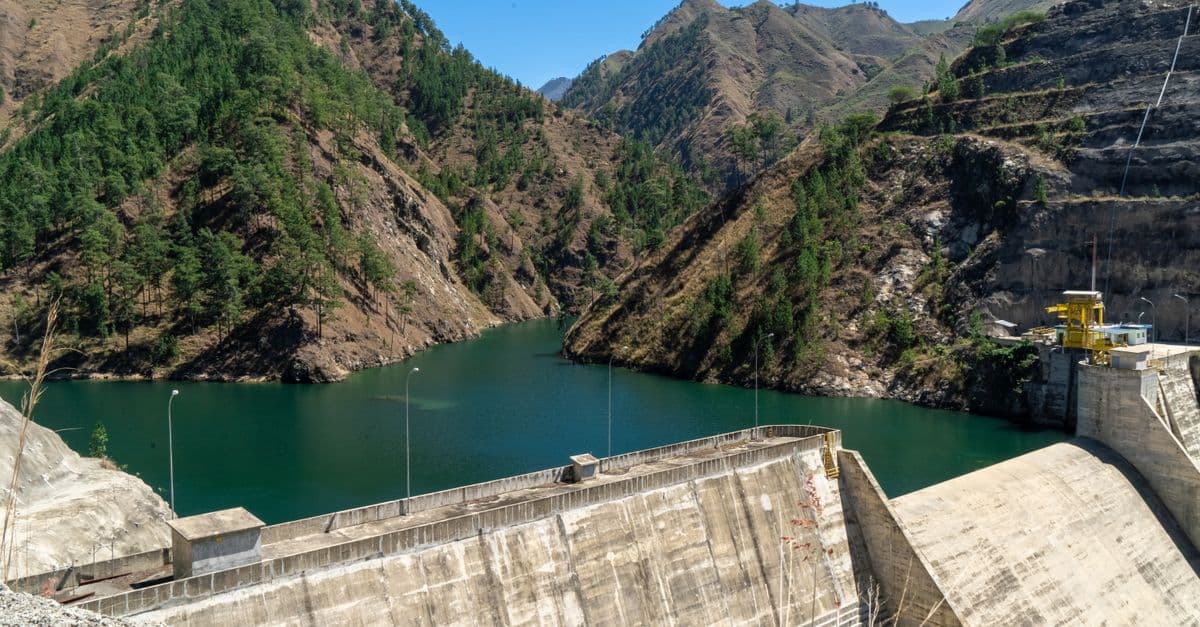
You can conduct comprehensive slope stability analyses that integrate site characterization, soil/rock properties, and quantitative calculations to evaluate both simple and complex slope geometries. The framework helps you identify critical failure mechanisms, calculate safety factors, assess groundwater and seismic effects, and develop technically defensible remediation recommendations suitable for permitting, design decisions, and stakeholder communication.
by az9713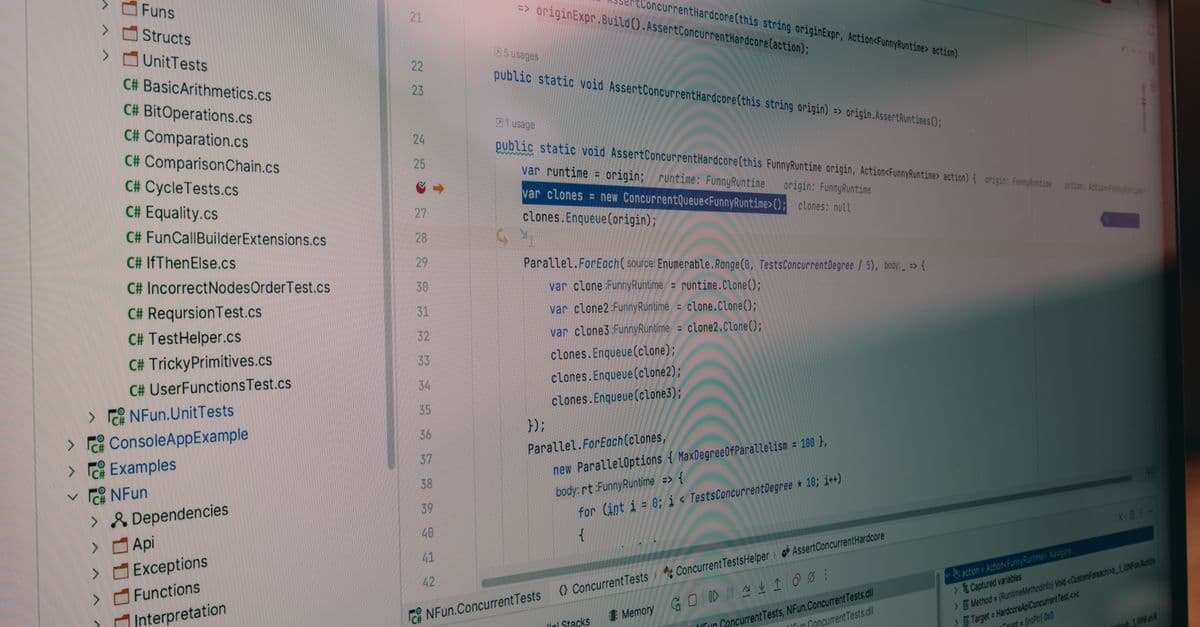
You can systematically design test cases for any feature or system by analyzing requirements or code to extract test parameters, values, and business constraints. The skill generates a PICT model, executes pairwise testing logic to minimize test case count while maximizing coverage, and delivers a formatted test matrix with expected results—reducing manual test design effort while ensuring comprehensive scenario coverage.
by az9713
This skill deconstructs your writing samples to identify the specific patterns, personality markers, emotional range, language quirks, and formatting habits that make your voice uniquely yours. You'll receive a detailed voice DNA profile that includes your core communication style, signature phrases, emotional tone, formality level, and what you actively avoid—creating a blueprint that AI systems can use to replicate your authentic voice consistently across projects, platforms, and content types.
by az9713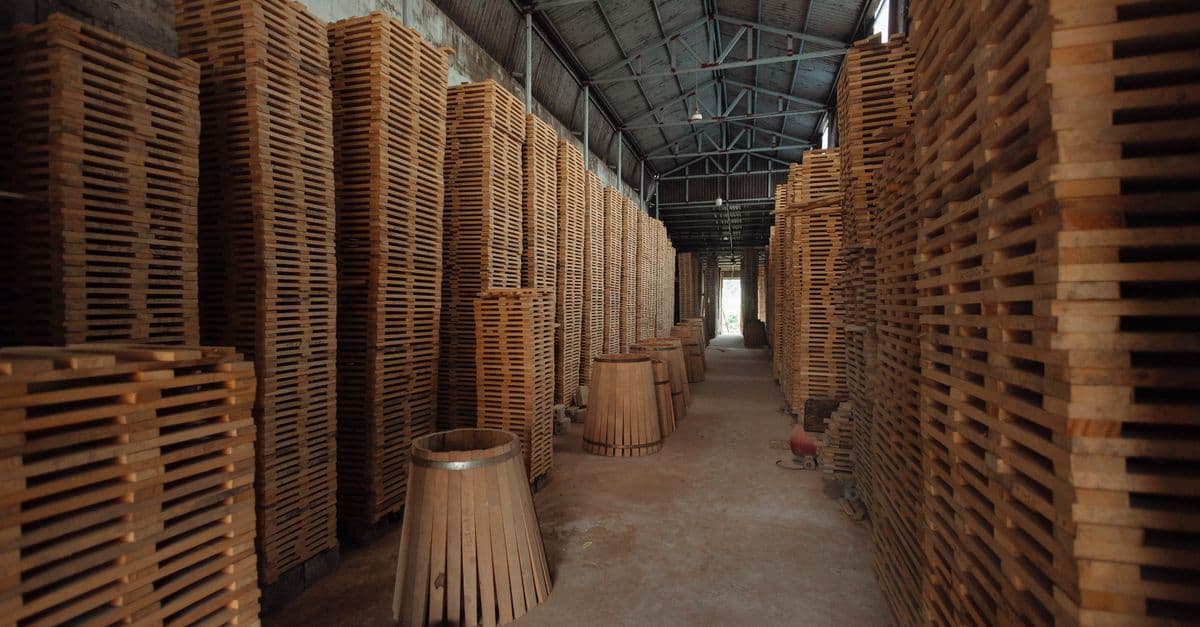
You can decompose complex timber structures into analyzable load paths, trace forces from applied loads through members to supports, and calculate governing demands for each structural element. This skill helps you identify critical design points, apply appropriate load factors and duration adjustments, and create defensible design documentation that satisfies code officials and peer reviewers.
by az9713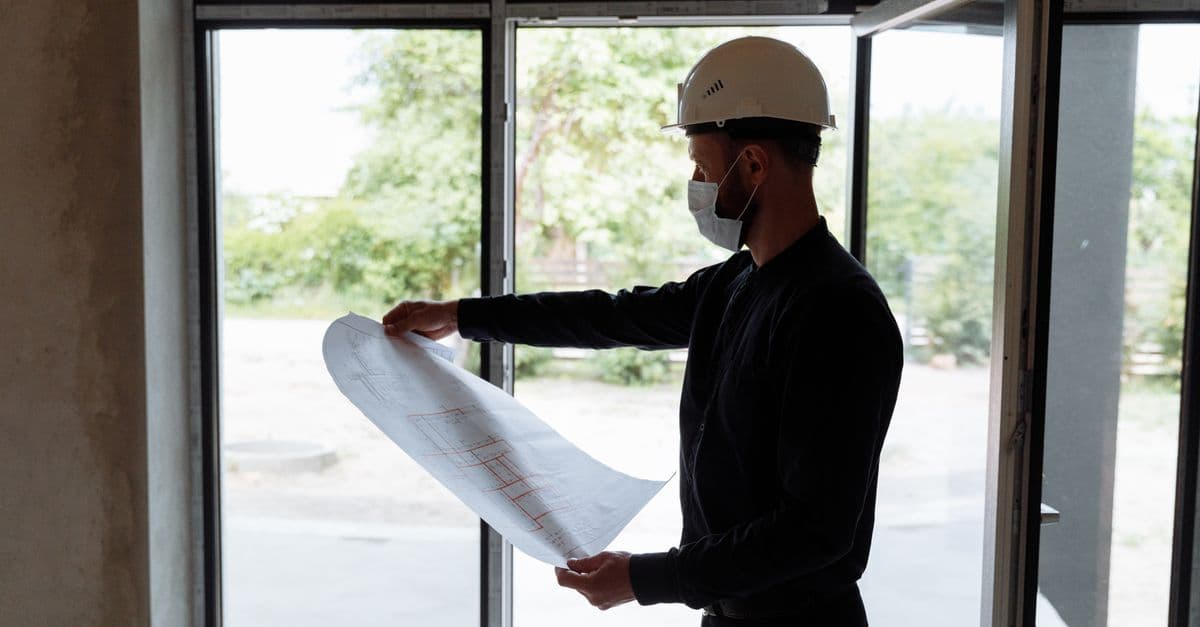
You can compare building materials across embodied carbon, water usage, recyclability, supply chain impacts, and lifecycle costs—all grounded in industry standards like EN 15804 and ISO 14040/44. This skill transforms material selection from intuition-based guessing into data-driven specification, producing analysis outputs ready for client presentations, value engineering discussions, and regulatory compliance documentation.
by az9713
You can accelerate HVAC design workflows by inputting building parameters—envelope characteristics, occupancy data, climate conditions, and existing systems—and receiving calculated heating/cooling loads, equipment sizing recommendations, and zone-by-zone analysis. Claude organizes complex building data into actionable design parameters and specification summaries for client review, permit submission, and professional validation against ASHRAE and ACCA standards.
by az9713