


Psychological Readiness Plans for Young Athletes
Build Personalized Mental Training Plans for Young Athletes
What You Can Do
Create comprehensive psychological readiness assessments and individualized mental training plans for young athletes aged 8-18. This skill evaluates multiple psychological domains including confidence, focus, resilience, and emotional regulation, then generates age-appropriate mental skills training programs tailored to each athlete's specific needs and developmental stage.
Features
Evaluate athlete confidence, concentration, emotional control, resilience, and competitive anxiety using evidence-based assessment frameworks adapted for youth development
Generate personalized mental skills training programs that match each athlete's specific psychological profile, sport, and developmental level
Apply developmentally sensitive psychological interventions appropriate for different age groups from youth sport (8-12) through adolescent athletes (13-18)
Assess across attention control, self-confidence, motivation, emotional regulation, pressure management, and resilience using validated sport psychology constructs
Create customized monitoring templates that help coaches track athlete mental skills development over weeks and seasons with clear benchmarks
Generate practical guidance documents for coaches and parents on supporting athlete mental development, handling pressure, and recognizing psychological challenges
Develop specific strategies for managing pre-competition anxiety, including breathing techniques, visualization, self-talk, and cognitive reframing exercises
Create structured goal-setting frameworks and mental imagery scripts tailored to the athlete's sport and performance objectives
Example Output
Sample Psychological Readiness Assessment Summary
Athlete Profile: Sarah, 14-year-old soccer midfielder
Key Findings:
- Confidence: 6/10 (struggles after mistakes)
- Focus: 7/10 (good in training, wavers in high-pressure matches)
- Resilience: 5/10 (needs support for managing setbacks)
- Emotional Control: 6/10 (tends to frustrate during games)
Recommended Training Focus Areas:
- Self-confidence building through error recovery techniques
- Pressure management and attention control
- Emotional regulation strategies
Sample Mental Training Plan (6-Week Program)
Week 1-2: Foundation Skills
- Daily 5-minute breathing and centering exercises
- Mental imagery practice (2x weekly, 10 minutes)
- Confidence journaling (identify 3 strengths after each session)
Week 3-4: Pressure Training
- Live pressure simulation drills
- Positive self-talk development (sport-specific phrases)
- Error recovery protocol practice
Week 5-6: Integration and Testing
- Full pre-game mental preparation routine
- In-match application of learned skills
- Progress assessment and plan adjustment
Progress Tracking Template
| Date | Skill | Rating (1-10) | Notes | Coach Feedback |
|---|---|---|---|---|
| 8/15 | Breathing | 6 | Takes time to settle | Keep practicing |
| 8/18 | Self-talk | 7 | More natural today | Good consistency |
What's Included
- Psychological Readiness Assessment Framework: Comprehensive evaluation tool covering confidence, focus, resilience, emotional control, and competitive readiness tailored for youth athletes
- Individualized Mental Training Plans: Customized 4-12 week mental skills development programs with specific exercises, timelines, and progressions for each athlete
- Progress Tracking and Monitoring Templates: Ready-to-use spreadsheets and worksheets for tracking mental skills development, confidence levels, and training consistency over time
- Coach Implementation Guides: Step-by-step instructions for coaches on delivering mental skills training, integrating practice, and providing feedback
- Parent Communication and Support Resources: Templates and guidance for parents to understand their athlete's psychological needs and provide appropriate support at home
- Age-Specific Mental Skills Resources: Curated techniques, scripts, and exercises appropriate for different developmental stages (youth sport vs adolescent athletes)
Who It's For
- Youth Sports Coaches and Trainers
- Sports Psychologists and Mental Performance Specialists
- Youth Athletic Directors and Program Coordinators
- Parents Supporting Young Athletes
- Youth Development and Enrichment Program Leaders
Best For
- Pre-Season Psychological Preparation and Readiness Assessment
- Individual Athlete Mental Health and Performance Optimization
- Performance Anxiety and Pressure Management Training
- Team-Wide Mental Skills Program Design and Implementation
- Athlete Development and Talent Pathway Support
You might also like
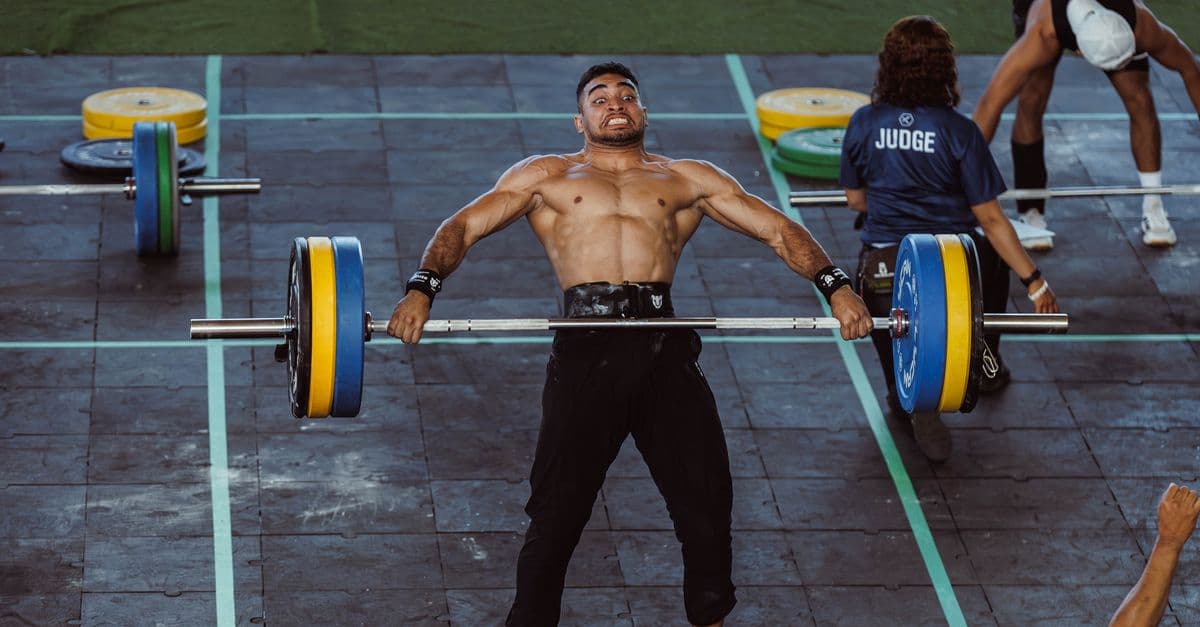
Transform raw athlete metrics into actionable periodized training programs using evidence-based coaching frameworks. You can analyze performance data across multiple dimensions (strength, power, endurance, speed), identify patterns and performance gaps, generate customized training phases aligned with competition calendars, and provide data-driven performance feedback with specific recovery recommendations and injury risk assessments.
 by pikkujs
Create structured return-to-play (RTP) protocols that incorporate evidence-based clinical frameworks, progressive loading stages, and objective outcome criteria. You'll generate injury-specific rehabilitation plans with clinical decision trees, risk stratification, and documentation templates that meet standard-of-care requirements. This accelerates protocol development from hours to minutes while ensuring consistency and clinical defensibility.
by pikkujs
You can create science-backed strength training programs tailored to your athletes' goals, experience levels, and sport demands. The skill uses periodization principles and evidence-based phase progression to build programs that optimize performance gains while minimizing injury risk. Each program includes detailed exercise selection, rep/set schemes, load calculations, and progressive overload strategies specific to your athlete's needs.
by pikkujs
Generate comprehensive injury assessments that analyze incident root causes, identify hazards, and quantify risk across your facility. Create detailed prevention protocols and return-to-work documentation that meet OSHA standards and occupational health regulations. Your plans integrate safety best practices with your specific workplace conditions to reduce incident rates and liability.
by pikkujs
You can systematically evaluate acute and chronic musculoskeletal injuries using validated clinical protocols and generate detailed, defensible documentation that meets professional standards. Claude structures your examination findings, produces rehabilitation recommendations grounded in current evidence, and organizes complex injury data into clear reports suitable for medical records and insurance submission.
by pikkujs
You can conduct comprehensive assessments of team cohesion, identify specific dysfunctional group processes like poor communication or misaligned goals, and receive tailored intervention strategies grounded in organizational psychology research. The skill generates actionable recommendations that strengthen psychological safety, improve collaboration, and boost overall team performance.
by pikkujsCreate comprehensive mental performance interventions and psychological training programs tailored to individual athletes, teams, and sports contexts. You can assess athlete psychological profiles, design evidence-based mental skills training, develop sport-specific intervention strategies, and establish progress monitoring frameworks to enhance athletic performance through mental conditioning.
by pikkujsYou can create comprehensive clinical assessment protocols, standardized documentation templates, and regulatory-compliant procedures tailored to your specialty or department. This skill automates the development of clinical forms, assessment checklists, and protocol workflows that ensure consistent, evidence-based practice across your organization.
by pikkujs