


Propagation Analysis and Link Budget Designer
Calculate link budgets and predict RF signal propagation paths

What You Can Do
You can analyze radio frequency propagation characteristics, calculate link budgets for wireless communication systems, and predict signal coverage patterns. This skill helps you design reliable communication links by modeling path loss, fading, and environmental effects, then quantifying the signal margins needed for your system.
Features
Compute transmit power, receive power, path loss, and system margin for communication links using standard RF formulas and empirical models
Apply Friis equation, Hata model, ITU-R propagation models, and free-space loss calculations for different frequency bands and environments
Evaluate Rayleigh, Rician, and log-normal fading effects on signal strength, including multipath and shadowing attenuation
Estimate coverage areas, signal strength contours, and outage probabilities based on transmitter location and terrain characteristics
Calculate implementation loss, noise figure, interference margins, and fade margins to ensure link reliability
Validate antenna gain, cable loss, frequency band constraints, and power budget requirements for compliance and efficiency
Generate step-by-step link budget spreadsheets and propagation models you can modify for your specific scenario
Example Output
Example 1: Satellite-to-Ground Link Budget
- Transmit Power (satellite): 20 dBW
- Antenna Gain (satellite): 15 dBi
- Free-Space Path Loss (at 12 GHz, 35,786 km): 205 dB
- Antenna Gain (ground station): 35 dBi
- System Noise Figure: 2.5 dB
- Receive Power: -143 dBm
- Link Margin: 7.2 dB (above minimum threshold)
Example 2: Urban LTE Coverage Prediction
- Base Station Transmit Power: 46 dBm
- Antenna Height: 40 m
- Hata Model Path Loss (1.9 GHz, 2 km): 137 dB
- Building Penetration Loss: 10 dB
- Fading Margin: 8 dB
- Predicted Signal Strength (urban): -99 dBm (reliable for voice/data)
Example 3: Interference Margin Calculation
- Wanted Signal: -80 dBm
- Interference Floor: -95 dBm
- Carrier-to-Interference Ratio: 15 dB
- Interference Margin: 3 dB (adequate for QoS threshold)
What's Included
- Link Budget Calculator: Spreadsheet-style tool with Friis equation, path loss models, and margin calculations you populate with your system parameters
- Propagation Model Selector: Decision tree to choose the right model (free-space, Hata, ITU-R, Okumura) based on frequency band, distance, and terrain
- Fading and Margin Worksheets: Templates for Rayleigh/Rician fading analysis, shadowing attenuation, and combined margin budgets
- Coverage Contour Generator: Guidance to create signal strength maps and coverage probability plots for your transmitter sites
- System Design Checklist: Verification list for antenna parameters, cable losses, noise figure, and compliance with frequency regulations
Who It's For
- RF Engineers
- Wireless Systems Designers
- Satellite Communications Specialists
- Cellular Network Planners
- IoT and LoRaWAN System Architects
Best For
- Link budget calculation for point-to-point radio links
- Coverage area prediction for base stations and transmitters
- System margin and fade budget analysis
- Frequency band selection and propagation model comparison
- Interference assessment and receiver sensitivity planning
You might also like

You upload OTDR (Optical Time Domain Reflectometer) test traces or raw test data, and this skill interprets the results to identify fault locations, measure signal degradation, and recommend remediation steps. It accelerates troubleshooting by automating trace analysis and generating professional diagnostic reports that pinpoint connector losses, splice issues, and cable faults with exact distance measurements.
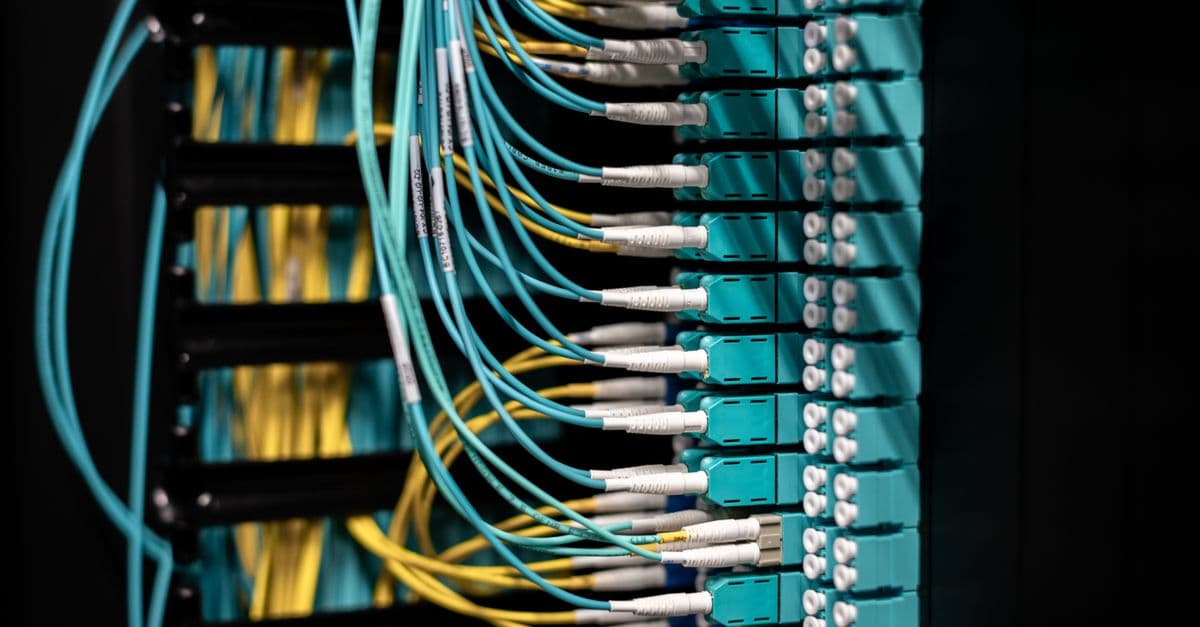
You can upload fiber optic test data (OTDR, reflectance, attenuation measurements) and receive automated analysis with root cause identification, performance metrics, and optimization recommendations. The skill generates professional troubleshooting reports highlighting problem areas, estimated repair costs, and compliance status against industry standards like TIA-942 and IEC 60793.

Calculate complete microwave link budgets including transmit power, antenna gains, path losses, noise figures, and system margins. Analyze RF component performance specifications, verify atmospheric conditions, and predict link availability. Generate structured design documentation with verification checklists and performance recommendations.

This skill assesses electromagnetic compatibility and interference risks in your product design, identifies compliance gaps against international standards (FCC, CE, RoHS), and generates targeted mitigation strategies. You get a structured compliance roadmap with design recommendations, test planning guidance, and regulatory requirements specific to your product category and target markets.

This skill helps you design efficient fiber optic network routes, estimate project costs, map regulatory compliance requirements, and generate comprehensive deployment documentation. You get detailed route analysis, material cost breakdowns, timeline estimates, and compliance checklists that accelerate planning while reducing risk and identifying cost-saving opportunities.

You can evaluate WAN technologies (MPLS, SD-WAN, DIA, broadband), design resilient multi-site architectures, perform detailed cost-benefit analysis, and assess technology and operational risks. Claude helps you create comprehensive network design recommendations with topology diagrams, technology comparisons, ROI projections, and implementation roadmaps tailored to your business requirements and constraints.
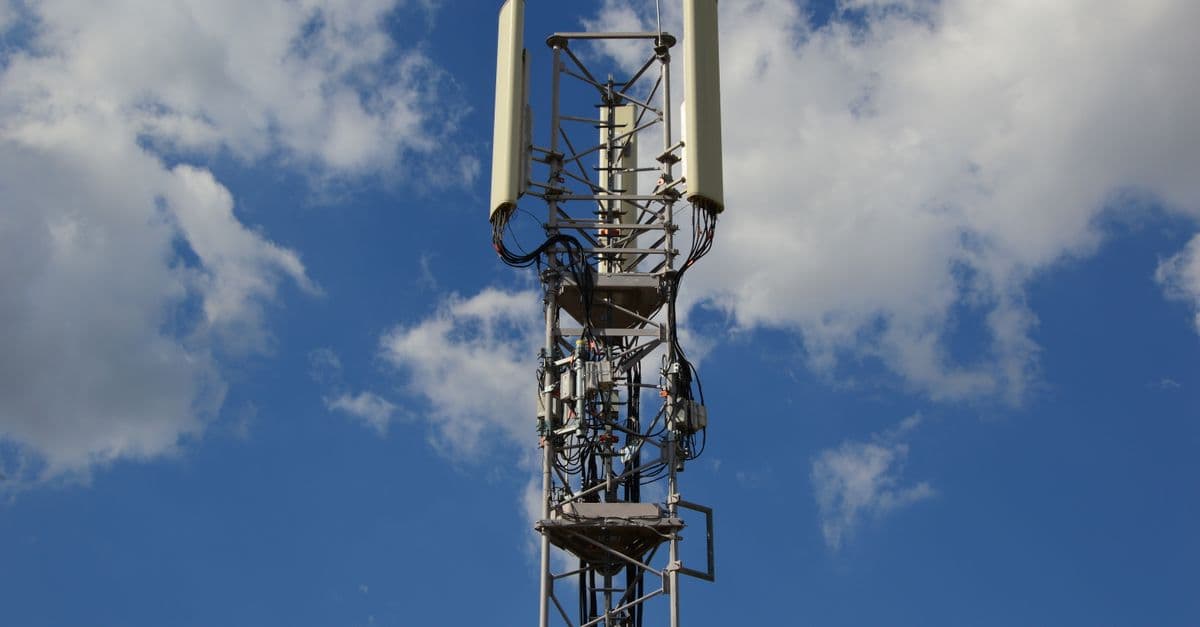
This skill equips you to analyze fiber-to-the-home network architectures, diagnose optical performance problems, and generate comprehensive deployment documentation. You can evaluate network requirements, calculate capacity metrics, identify bottlenecks, and produce professional technical reports that guide installation and optimization efforts.

Get expert guidance on antenna design, from type selection to performance optimization. This skill walks you through electromagnetic calculations, feed network analysis, and construction considerations to help you design antennas that meet your frequency, gain, and bandwidth requirements. Whether you're working with microstrip patches, dipoles, or horn antennas, you'll receive step-by-step design recommendations tailored to your specifications.