


RF Antenna Design Advisor
Design RF antennas with precision guidance and electromagnetic analysis

What You Can Do
Get expert guidance on antenna design, from type selection to performance optimization. This skill walks you through electromagnetic calculations, feed network analysis, and construction considerations to help you design antennas that meet your frequency, gain, and bandwidth requirements. Whether you're working with microstrip patches, dipoles, or horn antennas, you'll receive step-by-step design recommendations tailored to your specifications.
Features
Identify the optimal antenna topology for your frequency band, gain requirements, and form factor constraints, considering tradeoffs between complexity, cost, and performance.
Calculate critical antenna parameters including input impedance, resonant frequency, bandwidth, gain, and directivity based on physical dimensions and material properties.
Design impedance matching networks and feed structures using transmission line theory, baluns, and coupling techniques to maximize power transfer efficiency.
Interpret and optimize radiation patterns for directivity, side-lobe levels, and polarization characteristics to meet coverage and interference requirements.
Receive recommendations on substrate selection, conductor materials, tolerances, and fabrication methods appropriate for your frequency range and production volume.
Estimate real-world antenna performance including efficiency, return loss, beam width, and directivity before fabrication and testing.
Get recommendations on when and how to use electromagnetic simulators like HFSS, CST, or ADS for detailed analysis of your antenna design.
Use comprehensive checklists to verify that your antenna design meets all specifications for frequency range, impedance, gain, size, and environmental requirements.
Example Output
Example 1: Antenna Type Selection
You ask: Design a 2.4 GHz WiFi antenna for a compact enclosure with a 5 cm size constraint.
Response provides: Microstrip patch antenna analysis with dimensions (approximately 62mm x 50mm on FR-4), calculated gain of 5-7 dBi, return loss optimization techniques, and fabrication considerations for small form factor.
Example 2: Feed Network Design
You ask: I need to match a 50-ohm source to a 35-ohm antenna at 915 MHz using a transmission line.
Response includes: Calculated transmission line impedance and length using quarter-wave transformer, alternative L-network impedance matching options, measured component values, and practical construction tolerances.
Example 3: Performance Validation
You ask: Verify my dipole antenna design meets requirements for 5 GHz with 3 dBi gain and 50-ohm impedance.
Response confirms: Dimensional calculations, resonant frequency validation, radiation pattern characteristics, impedance matching quality, efficiency estimate, and recommendations for final optimization.
What's Included
- Antenna Selection Matrix: Reference guide comparing antenna types (dipole, patch, horn, helical) across frequency range, gain, bandwidth, polarization, and complexity.
- Electromagnetic Calculation Templates: Step-by-step formulas and procedures for calculating antenna parameters from first principles using proven equations and design methodologies.
- Material Properties Reference: Dielectric constants, loss tangents, and conductor properties for common PCB substrates and materials across frequency bands.
- Performance Metrics Database: Typical gain, bandwidth, and efficiency values for common antenna types to validate your design against industry standards.
- Design Verification Checklists: Systematic checklists ensuring your antenna meets frequency, impedance, gain, size, and manufacturing specifications.
- Simulation Tool Guide: Recommendations for electromagnetic simulators, when to use them, and how to set up simulations for design validation.
Who It's For
- RF and microwave engineers designing communication systems
- Antenna design specialists developing wireless products
- Electrical engineers prototyping IoT or wireless devices
- Telecommunications engineers optimizing network infrastructure
- Hardware engineers integrating antenna subsystems into products
Best For
- Selecting appropriate antenna types for specific frequency bands and applications
- Calculating antenna dimensions and electromagnetic parameters
- Designing impedance matching and feed networks
- Predicting antenna performance before fabrication
- Validating antenna designs against system requirements
You might also like

You upload OTDR (Optical Time Domain Reflectometer) test traces or raw test data, and this skill interprets the results to identify fault locations, measure signal degradation, and recommend remediation steps. It accelerates troubleshooting by automating trace analysis and generating professional diagnostic reports that pinpoint connector losses, splice issues, and cable faults with exact distance measurements.
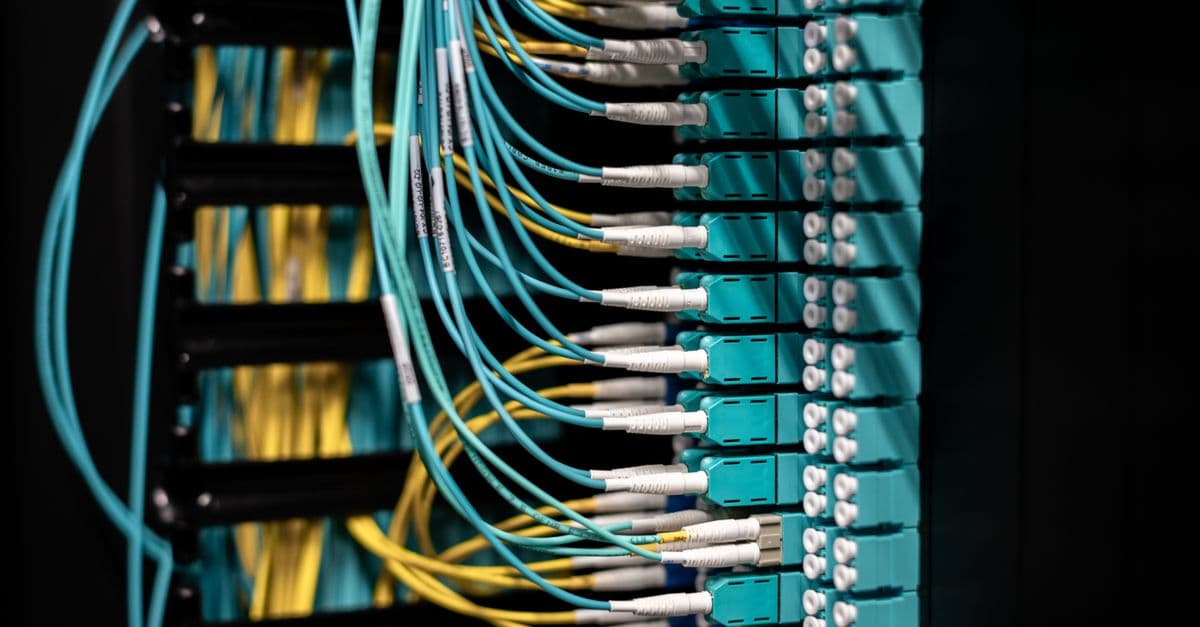
You can upload fiber optic test data (OTDR, reflectance, attenuation measurements) and receive automated analysis with root cause identification, performance metrics, and optimization recommendations. The skill generates professional troubleshooting reports highlighting problem areas, estimated repair costs, and compliance status against industry standards like TIA-942 and IEC 60793.

Calculate complete microwave link budgets including transmit power, antenna gains, path losses, noise figures, and system margins. Analyze RF component performance specifications, verify atmospheric conditions, and predict link availability. Generate structured design documentation with verification checklists and performance recommendations.

This skill assesses electromagnetic compatibility and interference risks in your product design, identifies compliance gaps against international standards (FCC, CE, RoHS), and generates targeted mitigation strategies. You get a structured compliance roadmap with design recommendations, test planning guidance, and regulatory requirements specific to your product category and target markets.

This skill helps you design efficient fiber optic network routes, estimate project costs, map regulatory compliance requirements, and generate comprehensive deployment documentation. You get detailed route analysis, material cost breakdowns, timeline estimates, and compliance checklists that accelerate planning while reducing risk and identifying cost-saving opportunities.
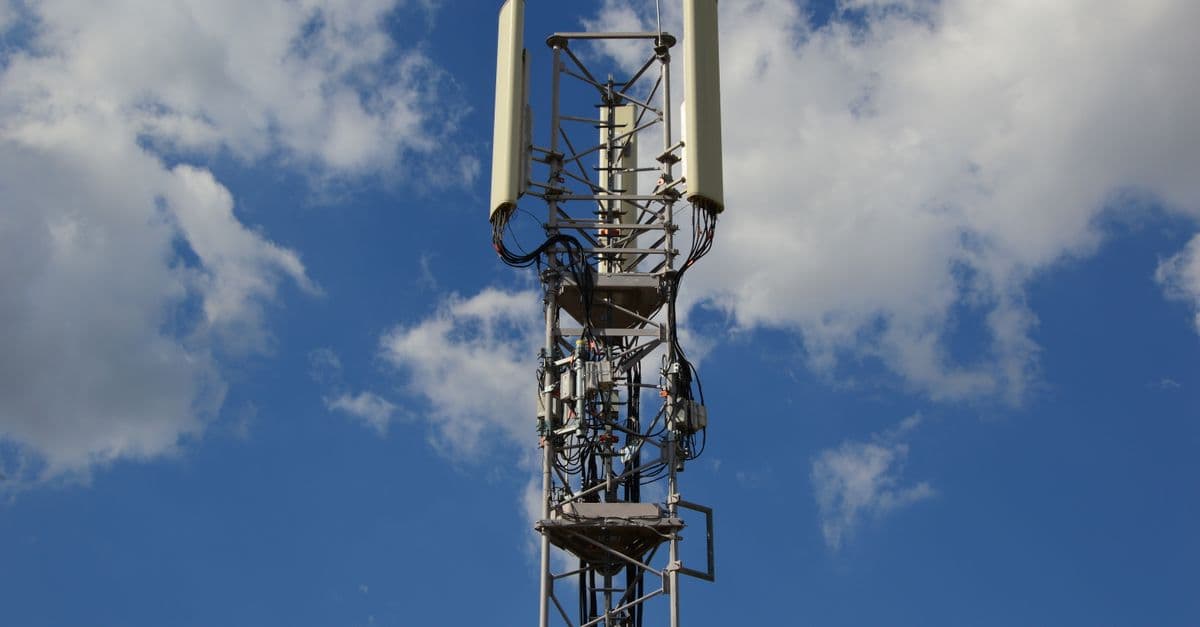
This skill equips you to analyze fiber-to-the-home network architectures, diagnose optical performance problems, and generate comprehensive deployment documentation. You can evaluate network requirements, calculate capacity metrics, identify bottlenecks, and produce professional technical reports that guide installation and optimization efforts.

Model how radio waves propagate through environments using empirical and theoretical approaches. Calculate link budgets, predict signal strength at specific locations, and diagnose coverage gaps using measurement data. Claude analyzes your propagation models, suggests optimizations, and interprets measurement results in the context of standard RF theory.

Systematically analyze your cloud network architecture across security, resilience, cost, and compliance dimensions. You receive a comprehensive assessment report with prioritized optimization recommendations, security hardening steps, and implementation guidance tailored to your infrastructure. The skill evaluates network design patterns, resource utilization, and compliance gaps to help you build cost-effective, secure, and highly available cloud networks.