


P&I Claims Triage & Liability Analysis
Transform maritime claims into structured P&I liability assessments instantly
What You Can Do
You synthesize maritime incident reports, policy documents, and witness statements into a structured P&I liability assessment that quantifies fault exposure, identifies applicable coverage, and recommends reserve amounts. The skill cross-references policy clauses, compares your claim to historical precedents, and flags regulatory notification requirements by jurisdiction.
Features
Extract and structure key facts from freeform incident reports—vessel details, timeline, causation factors, and environmental conditions—into a standardized incident summary.
Cross-reference incident facts against policy provisions to determine applicable coverage, identify exclusions, and flag coverage gaps or ambiguities requiring underwriter review.
Assess comparative fault percentages by weighing witness testimony, vessel logs, and regulatory findings; output confidence scores and alternative liability scenarios.
Calculate suggested reserve ranges based on incident severity, jurisdiction, comparable historical claims, and applicable legal multipliers (e.g., US vs. Singapore law).
Extract and corroborate key statements across multiple witness accounts; highlight contradictions and assess credibility by witness role and expertise.
Identify mandatory notifications—flag TSB-reportable incidents (Canada), class society notifications, and P&I underwriting requirements by jurisdiction.
Identify third-party defendants, assess recovery probability based on comparative fault, and estimate subrogation or salvage value.
Categorize claim exposure by type (collision, allision, cargo damage, injury), flag high-risk factors (poor maintenance, crew negligence), and apply jurisdiction-specific risk multipliers.
Example Output
INCIDENT SUMMARY
Vessel: MV Pacific Dawn | Date: 2024-11-15 | Type: Collision
Location: Singapore Strait | Parties: Your vessel vs. foreign container ship
Key Facts: Navigation error during fog; radar maintenance overdue; 3 crew injuries

LIABILITY ASSESSMENT
Estimated Comparative Fault: 70% (our vessel) | 30% (third party)
Confidence: High (corroborated by VDR data and 4/5 witness statements)
Primary Causation: Failed radar maintenance + navigation error; weather secondary

COVERAGE DETERMINATION
✓ COVERED — General Liability (Clause 3A) | Policy active at incident date
✓ COVERED — Crew Injury (Clause 5B) | Subject to deductible $25K per occurrence
✗ EXCLUDED — Willful negligence (Clause 7C, N/A here)

RECOMMENDED RESERVE
Estimate Range: $275K – $380K USD
Median Comparable (6 recent Singapore collisions): $320K
Jurisdiction Multiplier: 1.1x (Singapore courts favor cargo claimants)
Recommended Action: Set reserve at $320K; monitor medical claims for crew

REGULATORY ALERTS
[✓] TSB Notification Required (vessel flagged Canada)
[✓] Class Society Notice (ABS investigation likely)
[✗] P&I Underwriting Review – Premium adjustment anticipated

SUBROGATION OPPORTUNITY
Third Party: Foreign container vessel | Estimated Liability: 30%
Recovery Probability: Moderate (70%) | Estimated Recovery Value: $96K–$114K
What's Included
- Incident Data Normalizer: Templates and structured fields for standardizing incident reports regardless of format—police reports, vessel master statements, or ISM documentation.
- Policy Clause Index: Cross-references policy language against incident facts; identifies and cites applicable coverage provisions and exclusions with confidence scores.
- Liability Scoring Rubric: Quantifies fault using maritime negligence standards; weights evidence by credibility (vessel logs > witness statements > third-party claims).
- Reserve Calculator: Suggests reserve ranges calibrated to comparable historical claims and jurisdiction-specific legal multipliers.
- Regulatory Checklist: Flags TSB-reportable incidents, class society notifications, and P&I underwriting requirements by incident type and vessel flag.
Who It's For
- P&I Claims Adjusters
- Maritime Risk Managers
- In-House Maritime Counsel
- P&I Underwriting Teams
- Marine Insurance Brokers
Best For
- Initial Claims Triage and Priority Assessment
- Reserve Setting and Claims Funding Decisions
- Coverage Determination and Policy Interpretation
- Subrogation Opportunity Identification
- Settlement Negotiation Preparation
You might also like
Assess war risk exposure for maritime operations by analyzing current conflict zones and shipping routes, draft comprehensive policy terms tailored to geopolitical conditions and voyage specifics, and evaluate claims against coverage scope. You'll also benchmark your war risk premiums against market rates and regulatory requirements, ensuring competitive pricing and full compliance with marine insurance standards.
 by leoyeai
Automatically audit your ocean freight documentation against maritime regulations, carrier requirements, and port regulations. This skill reviews bills of lading, packing lists, customs forms, and shipping instructions to identify compliance gaps, missing fields, and regulatory violations before they delay your shipment or trigger port holds.
by leoyeai
This skill analyzes your customer acquisition costs across all marketing channels, benchmarks performance against industry standards, and identifies high-ROI opportunities for budget reallocation. You receive detailed metrics on cost-per-acquisition, payback periods, and lifetime value ratios by channel, plus specific recommendations for where to increase or decrease spending to maximize overall profitability.
by leoyeai
Rapidly evaluate the impact of port closures, labor actions, weather delays, and equipment failures on your liner schedule. You receive data-driven rerouting recommendations that balance fuel costs, transit time, and customer commitments—plus ready-to-send communication templates to keep stakeholders informed and preserve margins.
by leoyeai
You can analyze multimodal shipping options (truck, rail, air, sea) and receive optimized route recommendations that balance cost, speed, and capacity constraints. The skill automatically evaluates trade-offs between different transportation modes, identifies consolidation opportunities, and generates detailed logistics plans with cost and time estimates.
by leoyeai
You get instant dangerous goods classification with UN numbers, regulatory compliance requirements, and shipping documentation. This skill analyzes material properties, determines hazard classes, recommends appropriate packaging, and generates compliance checklists for IATA, IMDG, DOT, and ADR standards. You receive actionable guidance for safe transport, proper labeling, and regulatory adherence across all shipping modes.
by leoyeai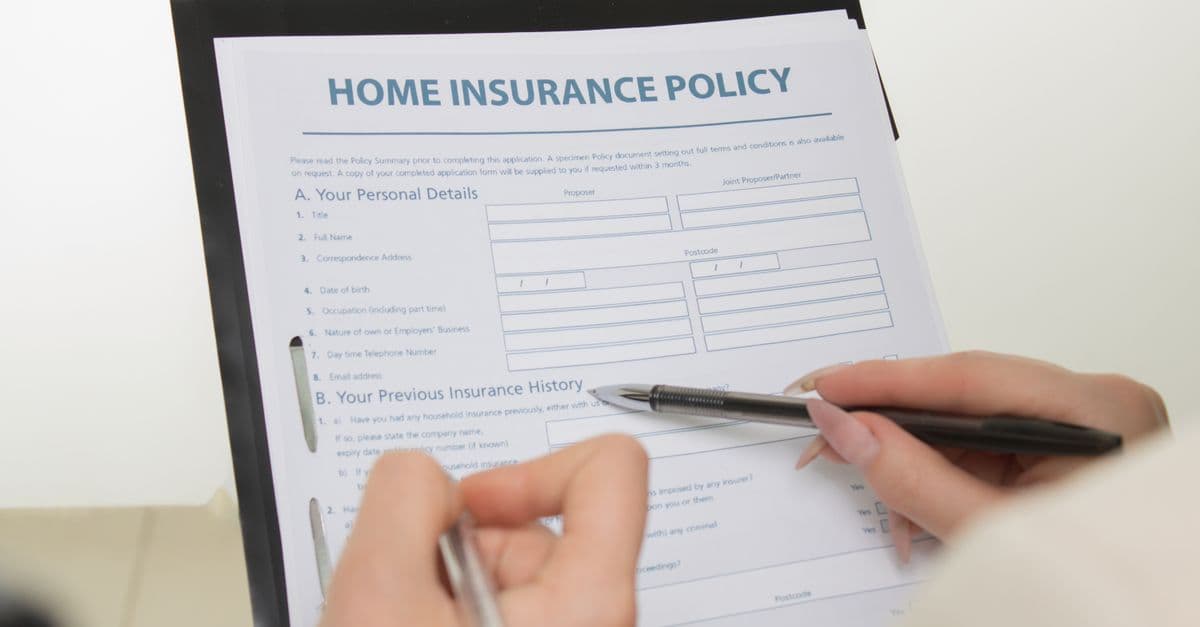
Generate comprehensive hull insurance underwriting summaries by analyzing vessel specifications, loss history, and operational factors. This skill evaluates marine risk profiles, identifies underwriting concerns, and produces professional summary documents for insurers and brokers. Streamline your underwriting workflow by automating risk assessment and documentation for maritime hull policies.
by leoyeai
You can analyze the complete financial picture of any tramp shipping voyage, from fuel consumption and port costs to crew expenses and regulatory compliance. Claude models different routing scenarios, cargo combinations, and market conditions to identify the most profitable voyage options. Whether you're evaluating a specific rate proposal or testing multiple what-if scenarios for fleet deployment, you get detailed cost breakdowns, margin analysis, and actionable recommendations.
by leoyeai