


Petroleum Biomarker Interpretation for Geochemical Analysis
Interpret petroleum biomarkers to assess source rock maturity and depositional environment
What You Can Do
You can interpret complex biomarker data from crude oils and sediments—including steranes, hopanes, and aromatic compounds—to reconstruct petroleum systems and make exploration-relevant conclusions. This skill helps you assess thermal history, identify source rock depositional environments (marine vs. terrigenous, anoxic vs. oxic), correlate oils to sources in multi-source basins, and validate thermal maturity when vitrinite reflectance data is limited. Your interpretations directly support drilling decisions, reserve estimations, and field development strategies.
Features
assess thermal maturity, source rock organic matter type, and biodegradation history
evaluate source rock depositional environment and diagenetic alteration patterns
use biomarker parameters as secondary maturity indicators when vitrinite reflectance is unavailable
match oils to potential source rocks in frontier and multi-source basins
track hydrocarbon movement through trap configurations using biomarker signatures
distinguish anoxic/oxic depositional settings and terrigenous vs. marine organic matter input
validate Rock-Eval and vitrinite reflectance data against biomarker maturity parameters
structure chromatographic observations into defensible geochemical conclusions
Example Output
Example 1: Source Rock Characterization
Input: Biomarker chromatogram showing high pristane/phytane ratio (>3.0), elevated C29 steranes (>40% of total steranes), and low aromatic steroid/sterane ratio.
Output: ✓ Predominantly Type II kerogen from marine shelf depositional environment ✓ Oxic to suboxic paleoenvironment with terrestrial organic matter influence ✓ Maturity assessment: Early-to-mid oil generation window (Ro ~0.6–0.8%) ✓ Risk flag: Immature intervals present; verify with vitrinite reflectance
Example 2: Oil-to-Source Correlation
Input: Crude oil biomarker profile (C27/C28/C29 sterane ratios, hopane/sterane ratio, Ts/Tm) compared to three potential source rock extracts.
Output: ✓ Strong correlation with Source Rock B: identical sterane carbon number distribution (C27 35%, C28 28%, C29 37%) ✓ Matching hopane maturity patterns and aromatic steroid profiles ✓ Alternative sources ruled out: different depositional environments evident from pristane/phytane ratios ✓ Conclusion: Oil A likely migrated from Source Rock B via seismic-defined migration pathway
Example 3: Thermal Maturity Validation
Input: Vitrinite reflectance Ro = 0.55%, but biomarker maturity parameters (Ts/Tm, %MPI, aromatic steroid isomerization) suggest higher maturity (Ro ~0.75%).
Output: ✓ Discrepancy flagged for quality control review ✓ Potential causes: reworked vitrinite, poor sample preparation, or biomarker signal from mature source ✓ Recommendation: Repeat vitrinite analysis; conduct kinetic modeling using biomarker-derived maturity as constraint
What's Included
- SKILL.md instruction file: complete petroleum biomarker interpretation framework with principles and systematic workflow
- Biomarker ratio reference matrix: quick-lookup table for sterane, hopane, and aromatic compound interpretations
- Interpretation decision tree: flowchart guiding thermal maturity, source character, and environment assessment
- Oil-to-source correlation template: structured worksheet for multi-sample biomarker correlation studies
- Risk assessment checklist: maturity validation, data quality, and exploration decision support flags
Who It's For
- Exploration geochemists — assess petroleum systems and reduce drilling risk in frontier basins
- Reservoir development geochemists — correlate oils to sources and optimize field development strategies
- Geochemical consultants — validate thermal maturity data and provide source-to-oil interpretations for oil and gas companies
- Basin modeling specialists — use biomarker maturity and source characterization as kinetic model inputs and constraints
- Operations teams — support drilling decisions with rapid biomarker-based source and maturity assessments
Best For
- Thermal maturity assessment when vitrinite reflectance data is limited or unavailable
- Crude oil-to-source rock correlation in multi-source petroleum systems
- Paleoenvironment and depositional setting interpretation from biomarker signatures
- Quality assurance validation of Rock-Eval and reflectance analytical data
- Exploration risk assessment and drilling decision support presentations
You might also like
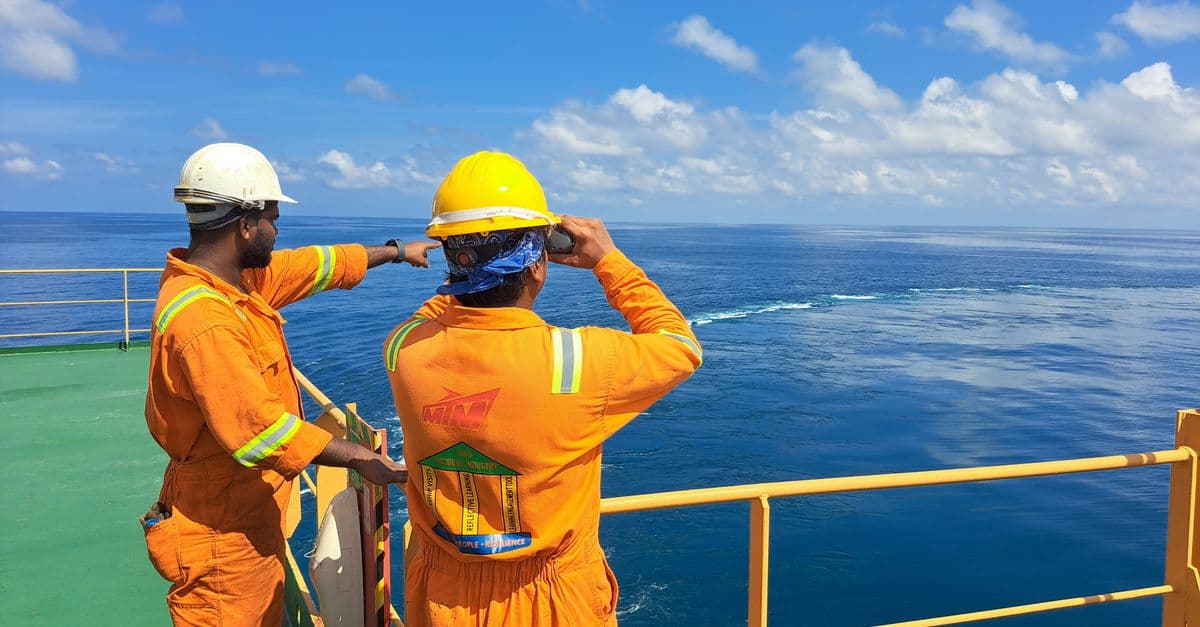
You can rapidly integrate multi-parameter geochemical datasets—Rock-Eval pyrolysis, biomarker distributions, stable isotopes, and molecular compositions—into coherent petroleum system interpretations. The skill transforms raw analytical parameters (Tmax, S2, biomarker ratios, δ13C values) into subsurface understanding of source rock potential, thermal history windows, depositional environments, and charge timing relative to trap formation. You'll identify thermal maturity stages, distinguish multiple source intervals in multi-sourced basins, and flag analytical anomalies that suggest contamination or stratigraphic mixing.
 by delphine-l
You can input well geometry, drilling fluid properties, and operational parameters to rapidly calculate equivalent circulating density (ECD), analyze pressure profiles, and identify hydraulic risks. Claude evaluates mud weight windows, predicts circulation losses, and recommends flow rate and fluid property adjustments to maintain wellbore stability while minimizing nonproductive time during complex well sections.
by delphine-l
You can analyze pressure buildup and drawdown test data to identify flow regimes, apply type curve matching techniques to estimate reservoir properties, and conduct material balance studies to quantify original oil/gas in place (OOIP/OGIP). Claude helps you evaluate pressure support mechanisms, generate production forecasts under different depletion scenarios, and assess reserve uncertainty from pressure interpretation data.
by delphine-l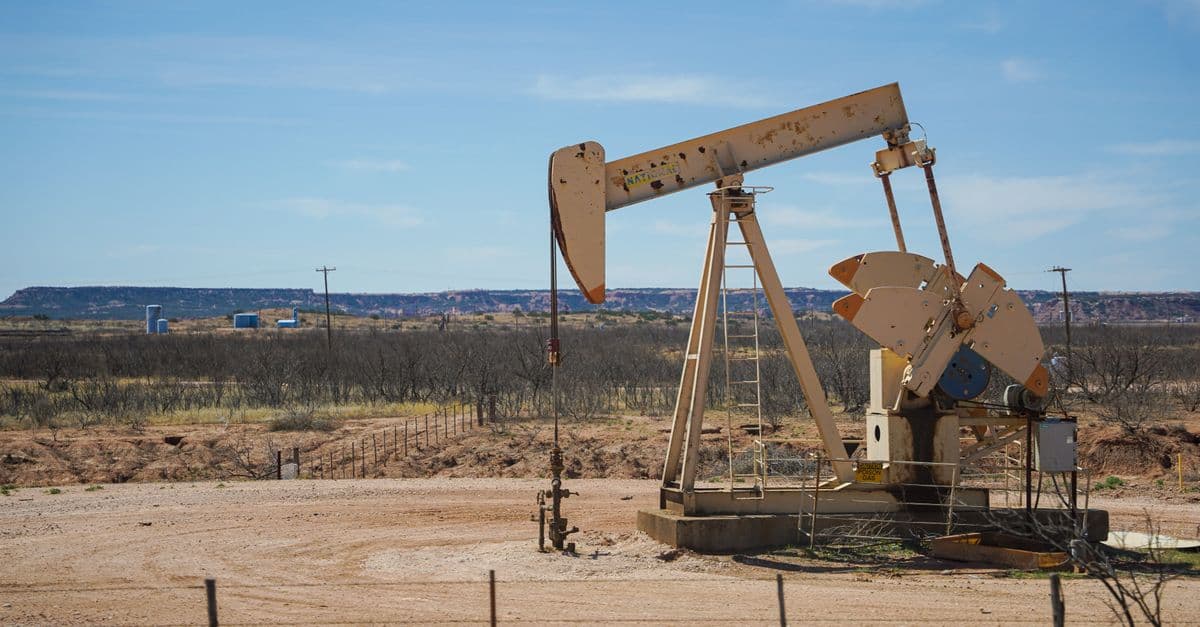
You can perform comprehensive wellbore hydraulics analysis by inputting well geometry, fluid properties, and operational parameters. Claude calculates pressure drops across open hole and cased hole sections, determines equivalent circulating density (ECD) for narrow margin windows, identifies flow regime transitions, and provides optimization recommendations that balance ROP, hole cleaning, and well control margins. This enables you to validate designs, troubleshoot pressure anomalies, and make data-driven adjustments to flow rates and drilling fluid specifications before issues impact operations.
by delphine-l
You can process cuttings samples, core descriptions, wireline logs, and offset well data simultaneously to identify formation boundaries, detect unexpected lithology, and generate actionable drilling recommendations within 15–30 minutes. The skill cross-validates disparate data sources to confirm formation picks, mitigates drilling delays that cost $1M+/day on deepwater rigs, and produces audit-compliant documentation of stratigraphic decisions made in real time.
by delphine-l
You can systematically interpret sedimentary facies from core descriptions, wireline logs, and outcrop data to build coherent paleoenvironmental models. This skill helps you classify lithofacies and ichnofacies, recognize recurring depositional patterns, correlate stratigraphic intervals across multiple wells, and predict reservoir quality and geometry based on depositional systems. You'll move beyond simple lithologic logging to derive interpretations that directly support exploration risking, play fairway mapping, and field development planning.
by delphine-l
You can analyze production performance data to distinguish between natural depletion, mechanical failures, formation damage, and flow restrictions. The skill guides you through structured diagnostic workflows that integrate production history, pressure readings, and well geometry data to pinpoint specific decline mechanisms and recommend targeted remedial actions such as acidizing, perforation optimization, or artificial lift adjustments.
by delphine-l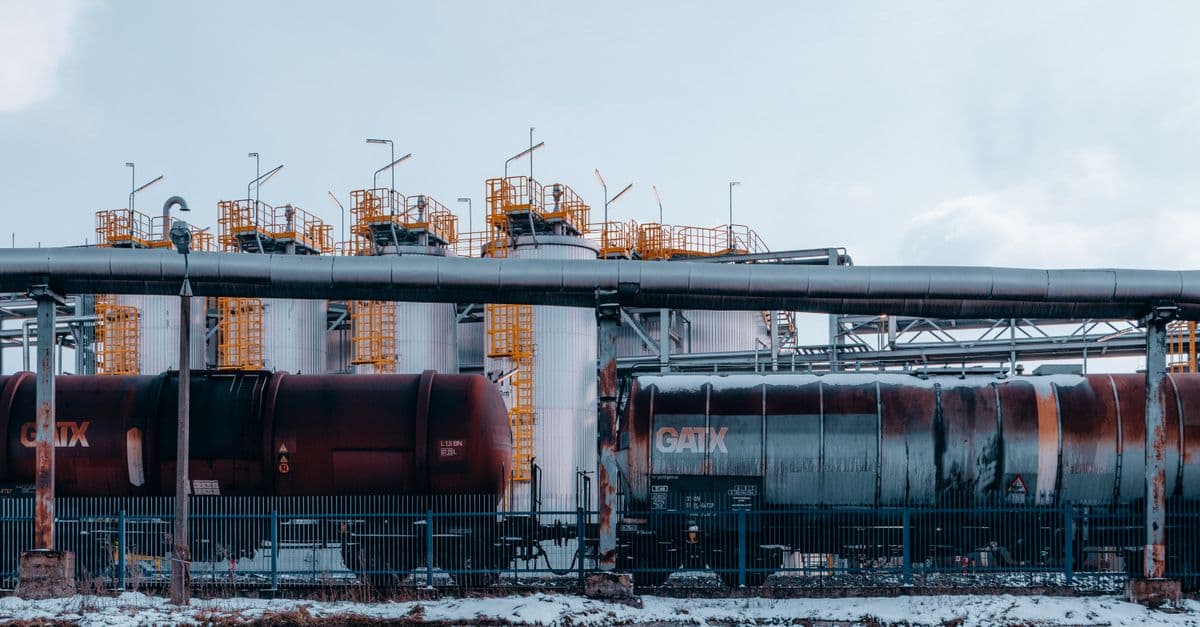
You can develop comprehensive completion strategies by evaluating formation properties, reservoir pressure regimes, and fluid characteristics against completion alternatives. The skill guides you through perforation optimization, inflow performance prediction, and completion selection trade-offs—helping you balance productivity, reliability, and economics to deliver completions that meet production targets while controlling costs and operational risk.
by delphine-l