

Wellbore Hydraulics Optimizer
Optimize wellbore hydraulics, ECD, and pressure profiles for safe drilling operations
What You Can Do
You can input well geometry, drilling fluid properties, and operational parameters to rapidly calculate equivalent circulating density (ECD), analyze pressure profiles, and identify hydraulic risks. Claude evaluates mud weight windows, predicts circulation losses, and recommends flow rate and fluid property adjustments to maintain wellbore stability while minimizing nonproductive time during complex well sections.
Features
Computes equivalent circulating density for trip procedures, connections, and static conditions across deviated and horizontal wellbores
Maps static and dynamic pressure gradients against pore pressure and fracture gradients to identify safe operational windows
Identifies high-risk formations based on pressure margins and recommends mud weight adjustments to prevent losses
Evaluates impact of pump rate changes on pressure response and ECD to balance hydraulic efficiency with wellbore stability
Analyzes rheology, density, and thermal effects on pressure profiles and recommends fluid modifications
Uses pressure analysis to suggest optimal casing setting depths with appropriate safety margins
Handles complex geometries including deviated and horizontal sections for accurate pressure and loss predictions
Generates hydraulics-optimized protocols for difficult well sections with historical loss patterns
Example Output
Example 1: ECD Calculation for Connection
Input: Well depth 3,500 m TVD, 15° deviated section, mud weight 1.42 sg, flow rate 350 gpm
Output:
- Static ECD at shoe: 1.48 sg
- ECD during circulation: 1.62 sg
- Margin to fracture gradient (1.75 sg): 0.13 sg ✓
- Recommended connection ECD limit: 1.58 sg
- Pressure at bit during circulation: 385 bar
Example 2: Loss Zone Risk Assessment
Input: Narrow pressure window (1.38–1.58 sg), formation with history of losses at 2,800 m
Output:
- Identified risk zone: 2,750–2,850 m
- Current mud weight safety margin: 0.04 sg below fracture gradient
- Recommended action: Reduce flow rate from 400 to 300 gpm to lower ECD by 0.08 sg and restore margin
- Alternative: Add viscosifier to improve cuttings transport without ECD increase
What's Included
- wellbore-hydraulics-optimizer SKILL.md: Core instruction file with workflow and hydraulic analysis framework
- ECD Calculation Template: Step-by-step worksheet for pressure gradient mapping and ECD computation across wellbore sections
- Pressure Profile Checklist: Systematic approach to validate pore pressure, fracture gradient, and operational limits
- Loss Prediction Worksheet: Method to identify high-risk formations and calculate safe mud weight windows
- Operational Hydraulics Reference: Quick-lookup tables for fluid properties, typical pressure margins, and adjustment strategies
Who It's For
- Drilling Engineers — Optimizing well plans and managing pressure during complex well sections
- Petroleum Engineers — Planning casing depths and mud weight windows with adequate safety margins
- Wells Planners — Designing high-angle and horizontal well hydraulics profiles before drilling
- Well Site Leaders — Troubleshooting circulation losses and pressure anomalies in real time
- Drilling Fluids Specialists — Evaluating fluid property changes and their impact on pressure dynamics
Best For
- Equivalent Circulating Density (ECD) calculations for trips, connections, and circulation scenarios
- Pressure profile analysis across static and dynamic wellbore conditions
- Circulation loss prediction and prevention strategy development
- Mud weight window optimization for narrow pressure regime wells
- High-angle and horizontal well hydraulics design and troubleshooting
You might also like
You can rapidly integrate multi-parameter geochemical datasets—Rock-Eval pyrolysis, biomarker distributions, stable isotopes, and molecular compositions—into coherent petroleum system interpretations. The skill transforms raw analytical parameters (Tmax, S2, biomarker ratios, δ13C values) into subsurface understanding of source rock potential, thermal history windows, depositional environments, and charge timing relative to trap formation. You'll identify thermal maturity stages, distinguish multiple source intervals in multi-sourced basins, and flag analytical anomalies that suggest contamination or stratigraphic mixing.
 by delphine-l
You can analyze pressure buildup and drawdown test data to identify flow regimes, apply type curve matching techniques to estimate reservoir properties, and conduct material balance studies to quantify original oil/gas in place (OOIP/OGIP). Claude helps you evaluate pressure support mechanisms, generate production forecasts under different depletion scenarios, and assess reserve uncertainty from pressure interpretation data.
by delphine-l
You can perform comprehensive wellbore hydraulics analysis by inputting well geometry, fluid properties, and operational parameters. Claude calculates pressure drops across open hole and cased hole sections, determines equivalent circulating density (ECD) for narrow margin windows, identifies flow regime transitions, and provides optimization recommendations that balance ROP, hole cleaning, and well control margins. This enables you to validate designs, troubleshoot pressure anomalies, and make data-driven adjustments to flow rates and drilling fluid specifications before issues impact operations.
by delphine-l
You can process cuttings samples, core descriptions, wireline logs, and offset well data simultaneously to identify formation boundaries, detect unexpected lithology, and generate actionable drilling recommendations within 15–30 minutes. The skill cross-validates disparate data sources to confirm formation picks, mitigates drilling delays that cost $1M+/day on deepwater rigs, and produces audit-compliant documentation of stratigraphic decisions made in real time.
by delphine-l
You can systematically interpret sedimentary facies from core descriptions, wireline logs, and outcrop data to build coherent paleoenvironmental models. This skill helps you classify lithofacies and ichnofacies, recognize recurring depositional patterns, correlate stratigraphic intervals across multiple wells, and predict reservoir quality and geometry based on depositional systems. You'll move beyond simple lithologic logging to derive interpretations that directly support exploration risking, play fairway mapping, and field development planning.
by delphine-l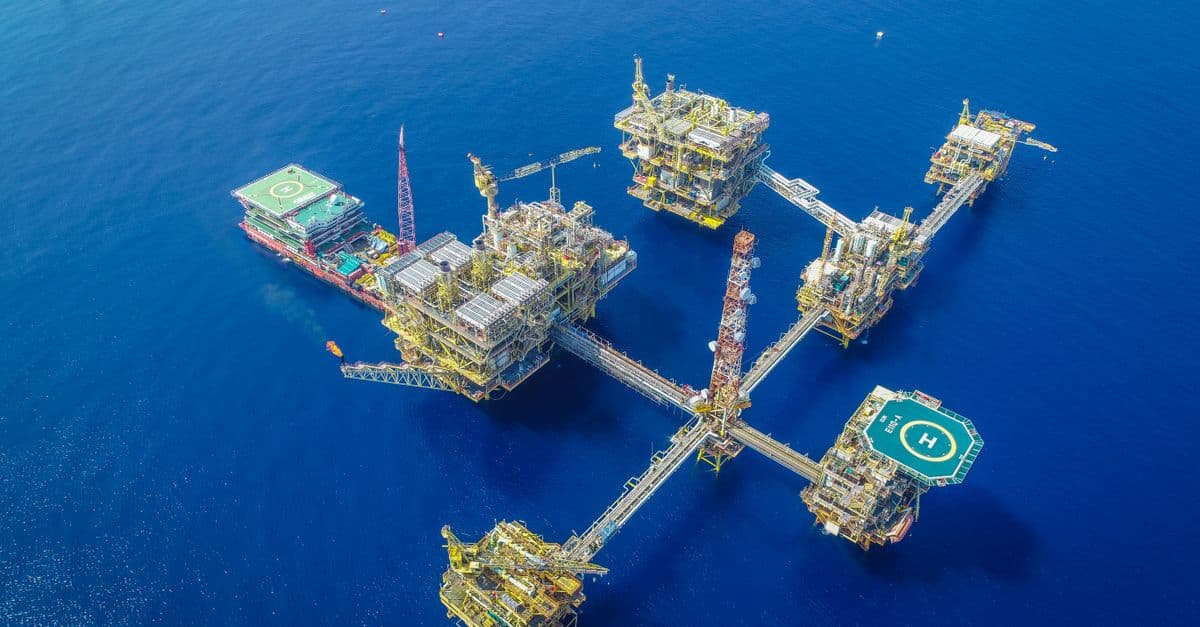
You can analyze production performance data to distinguish between natural depletion, mechanical failures, formation damage, and flow restrictions. The skill guides you through structured diagnostic workflows that integrate production history, pressure readings, and well geometry data to pinpoint specific decline mechanisms and recommend targeted remedial actions such as acidizing, perforation optimization, or artificial lift adjustments.
by delphine-l
Conduct comprehensive environmental compliance audits of oil & gas facilities against EPA, state regulations, ISO 14001, RCRA, SPCC, and stormwater permit requirements. You'll document evidence systematically, correlate findings to specific regulatory requirements, identify compliance gaps with risk prioritization, and generate defensible audit documentation that supports regulatory inspections and demonstrates due diligence. The skill structures the entire audit process from planning through remediation timeline development and accountability assignment.
by delphine-l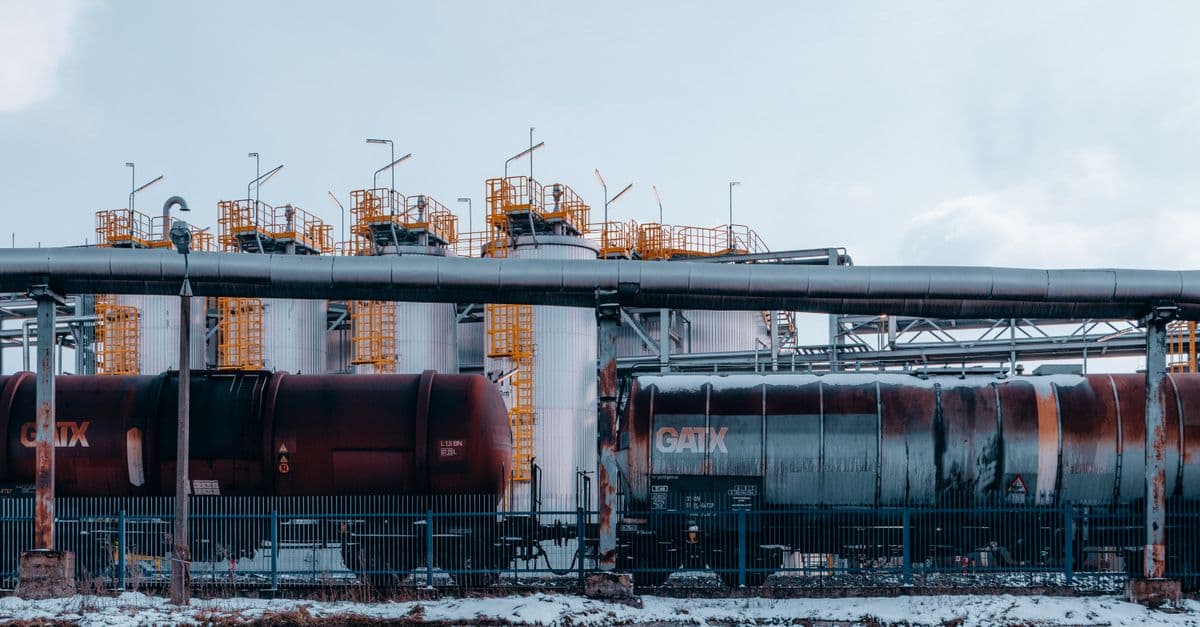
You can develop comprehensive completion strategies by evaluating formation properties, reservoir pressure regimes, and fluid characteristics against completion alternatives. The skill guides you through perforation optimization, inflow performance prediction, and completion selection trade-offs—helping you balance productivity, reliability, and economics to deliver completions that meet production targets while controlling costs and operational risk.
by delphine-l