


Pediatric Natural Wellness Protocol Designer
Design safe, evidence-based natural wellness protocols for children with parent guidance
What You Can Do
You create personalized, age-appropriate natural wellness protocols that integrate seamlessly with conventional pediatric medicine. Each protocol includes detailed parent education materials, safety considerations specific to child development stages, and clear guidelines on when to recommend conventional medical intervention. You produce actionable protocols that practitioners can immediately implement while maintaining clinical safety standards.
Features
Generates wellness protocols tailored to specific pediatric age groups (infants, toddlers, school-age, adolescents) with developmentally appropriate dosing, herb considerations, and nutritional recommendations that account for growth and metabolic differences.
Includes evidence-based guidelines on how natural protocols complement or avoid interactions with common pediatric medications, vaccinations, and conventional treatments, with clear referral criteria for when medical consultation is necessary.
Produces ready-to-share parent handouts explaining the protocol rationale, expected timelines, safety monitoring, red flags requiring medical attention, and lifestyle modifications in accessible, non-technical language.
Explicitly identifies contraindications, potential allergens, herb-supplement-medication interactions, and developmental considerations for each recommendation with detailed safety monitoring protocols.
Protocols reference relevant pediatric research, clinical guidelines from organizations like AAP or AANP, and traditional use data, with distinction between evidence levels and empirical considerations.
Addresses common pediatric wellness concerns including immune support, sleep optimization, digestive health, stress resilience, and seasonal wellness with condition-specific natural approaches.
Provides realistic 2-4 week protocol structures with milestones for assessment, adjustment periods, and decision points for escalating to conventional care or modifying the natural approach.
Example Output
Example 1: School-Age Sleep Support Protocol
Patient Profile: 7-year-old with mild sleep onset difficulties, no medications
Week 1-2: Foundation Phase
- Magnesium glycinate 100-150mg (child-appropriate dosing) 30min before bed
- Bedtime herbal tea: chamomile 0.5g + lemon balm 0.25g (age-adjusted infusion)
- Screen shutdown protocol: 60min before sleep
- Parent education: Circadian rhythm development, natural melatonin production
Week 3-4: Integration Phase
- Add L-theanine 50-100mg if needed for racing thoughts
- Assess sleep latency improvement
- Escalation criteria: No improvement by week 4 warrants pediatrician evaluation for underlying sleep disorders
Red Flags for Immediate Medical Consultation: Sleepwalking, night terrors, snoring, daytime lethargy despite adequate sleep
Example 2: Immune Resilience Protocol (Adolescent, 14yo)
Baseline Assessment: Frequent viral infections, good general health, on no medications
Daily Prevention (Year-round)
- Zinc glycinate 10-15mg daily (during cold season)
- Vitamin D3 1000-2000 IU daily (based on 25-OH vitamin D levels)
- Probiotic formula: 10-15 billion CFU, age-appropriate strain mix
- Sleep prioritization: 8-10 hours nightly
Active Illness Protocol
- Elderberry extract: 2-4g daily (evidence-based for viral support)
- Vitamin C: 250-500mg twice daily during acute infection
- Ginger tea 0.5g: up to 3x daily for inflammatory response
- Assessment point: Day 3 of illness symptoms—if worsening, refer for strep/flu testing
Parent Education: Distinction between supporting immunity naturally and avoiding unnecessary antibiotics vs. knowing when antibiotics are essential
Example 3: Digestive Wellness Protocol (Toddler, 2.5yo)
Concern: Occasional constipation, no alarm symptoms, on standard diet
Phase 1: Dietary Optimization (Week 1-2)
- Increase filtered water intake age-appropriately (2-4 oz more daily)
- Add ground flax 0.5 tsp to applesauce or yogurt once daily
- Prune puree: 1-2 tsp daily as snack
- Parent guidance: Natural digestive support through food
Phase 2: Herbal Support if Needed (Week 3-4)
- Fennel seed tea (mild infusion): 2-4 oz, once daily before meals
- Slippery elm powder: 0.25-0.5g mixed into applesauce
- Assessment: Regular bowel pattern established by week 4
Red Flags: Abdominal pain, blood in stool, bloating, weight loss, or no improvement by week 3 requires pediatric evaluation for underlying causes (Hirschsprung's, anal fissure, diet allergy)
What's Included
- Personalized Protocol Document: Comprehensive, formatted protocol with timeline phases, dosing by age/weight, implementation instructions, and clinical assessment checkpoints ready for practitioner use.
- Parent Education Handout: Standalone PDF-ready document explaining protocol goals, expected outcomes, safety considerations, monitoring instructions, and when to contact healthcare provider.
- Safety & Interaction Reference: Detailed section identifying contraindications, potential allergens, herb-supplement interactions, vaccine considerations, and developmental safety factors specific to the child's age.
- Escalation Decision Tree: Clear criteria for when to maintain natural protocol, modify it, refer to conventional medicine, or seek immediate medical attention, with specific red flag symptoms.
- Evidence Summary: Brief clinical evidence base for each recommendation, distinguishing between robust pediatric studies, traditional use data, and empirical considerations for shared decision-making.
- Monitoring Protocol: Specific assessment parameters, timing for reassessment, and documentation format for tracking protocol response over 2-4 weeks.
Who It's For
- Naturopathic Doctors (ND) and Natural Medicine Practitioners
- Integrative Pediatricians and Conventional MDs exploring natural options
- Pediatric Nurse Practitioners and Physician Assistants with wellness focus
- Functional Medicine Practitioners working with pediatric populations
- Health Coaches and Wellness Educators supporting families with children
Best For
- Designing natural sleep support protocols for children with sleep onset difficulties
- Creating immune resilience and seasonal wellness strategies for pediatric patients
- Developing digestive and gut health protocols for common childhood digestive concerns
- Building stress resilience and emotional wellness protocols for school-age and adolescent patients
- Generating parent education materials that integrate natural and conventional medicine perspectives
You might also like
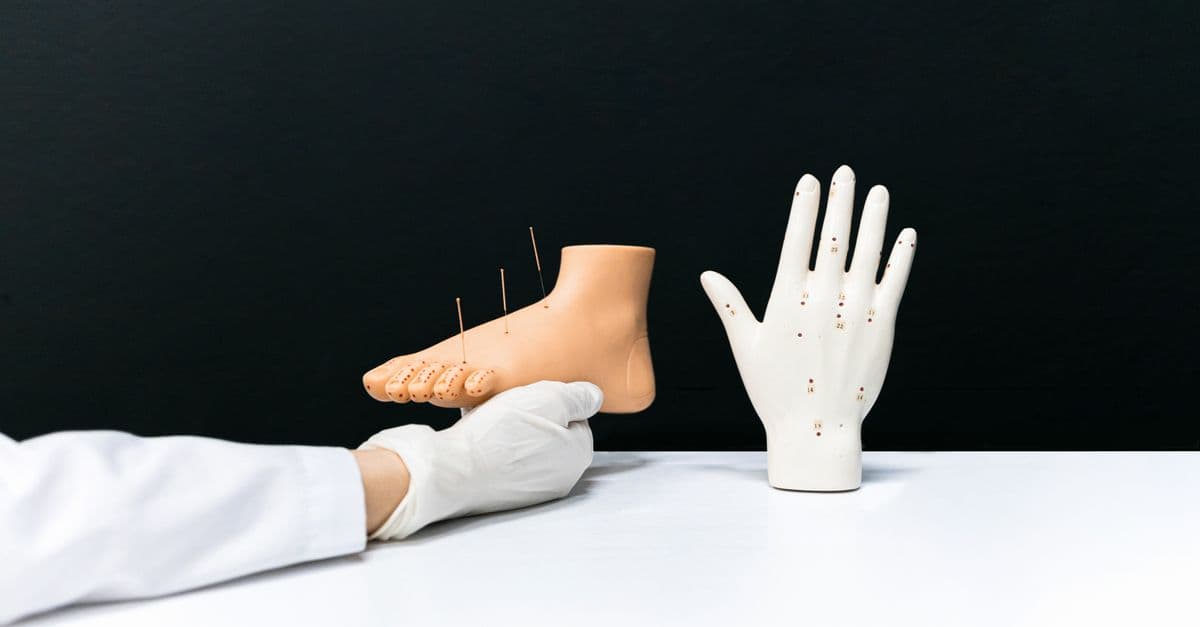
Create evidence-based acupuncture treatment plans that synthesize Traditional Chinese Medicine diagnostics with Western medical findings and patient history. You'll generate customized protocols with specific point recommendations, patient education materials, and professional clinical documentation ready for patient handoff and insurance submission.

Create evidence-based, tailored nutrition programs that meet the specific needs of your target population and community setting. You'll develop culturally appropriate curricula, implementation roadmaps, and evaluation frameworks that address food access barriers, health disparities, and local preferences. The skill generates actionable program designs ready for pilot testing or full-scale rollout.

You develop structured acupuncture treatment plans by conducting thorough TCM assessments and selecting evidence-informed point protocols tailored to each patient's pain presentation and constitution. Claude helps you differentiate syndromes, sequence treatments, personalize protocols based on patient factors, and document clinical progress systematically. This ensures consistent, high-quality treatment planning that integrates traditional principles with modern clinical practice.

Create comprehensive, clinically-sound patient care protocols that seamlessly combine conventional diagnostics with herbal, nutritional, and lifestyle interventions. You receive structured protocols with evidence citations, safety considerations, patient education components, and monitoring frameworks tailored to specific health conditions or patient populations.
Use this skill to run comprehensive digital health assessments that gather client lifestyle, medical, and behavioral data, then automatically generate personalized wellness plans grounded in evidence-based behavior change principles. The skill creates actionable, realistic goals tailored to your client's circumstances and readiness for change, complete with progress tracking tools and structured accountability protocols.
Create comprehensive, evidence-based care plans tailored to individual patient profiles, complete with disease-specific education materials and behavior-change interventions. Generate actionable coaching scripts, progress tracking tools, and patient-ready resources that support medication adherence, lifestyle modification, and self-management skills for chronic conditions.

Design comprehensive, periodized nutrition programs that adapt to your athletes' training phases, competition schedules, and sport-specific demands. You'll synchronize macronutrient ratios, micronutrient timing, and hydration protocols with periodized training blocks to optimize performance across preparation, peak, and recovery phases. The skill analyzes athlete profiles, training structure, and competition calendars to generate actionable nutrition protocols grounded in sports science.

Generate comprehensive, personalized wellness plans tailored to individual client health profiles, goals, and lifestyles. You provide client information and Claude creates detailed, evidence-based plans including nutrition protocols, exercise routines, behavioral strategies, and progress tracking tools. Plans are customized for remote delivery with built-in accountability and monitoring mechanisms.