


Patient Intake Protocol Assistant for Ophthalmic Technicians
Streamline ophthalmic patient intake with structured clinical protocols
What You Can Do
This skill guides ophthalmic technicians through a comprehensive, systematic patient intake process that captures complete medical history, chief complaints, medication profiles, and contact lens preferences. It generates well-organized intake documentation that ensures no critical information is missed and creates a clean record ready for the clinician's review.
Features
Systematically documents patient vision concerns, symptoms, onset, duration, and severity using clinical terminology that eye care professionals expect.
Collects complete patient health history including systemic diseases, eye conditions, family history, surgeries, and relevant past medical events.
Documents all current medications, dosages, and known drug allergies with flagging for clinically relevant interactions or concerns.
Captures current lens type, brand, wear schedule, last exam date, and any vision or comfort issues with current correction.
Prompts for insurance details, group numbers, copay information, and coverage limitations relevant to ophthalmic services.
Identifies red flags and risk factors (diabetes, hypertension, family history of glaucoma) that warrant clinician attention.
Generates intake notes formatted for easy copy-paste into electronic health records with proper section headings and clinical structure.
Example Output
Example 1: New Patient Initial Intake
Chief Complaint: Blurred vision, distance and near, for 3 weeks
HPI: 52-year-old reports gradual onset of generalized blur OS > OD. Denies flashing lights or floaters. States vision was clear at last exam 18 months ago. Works on computer 8 hrs/day.
Medical History: Type 2 diabetes (controlled, A1C 6.8%), Hypertension (on lisinopril 10mg daily), High cholesterol. No eye surgeries.
Family History: Father—glaucoma diagnosed age 58. Mother—macular degeneration age 72.
Current Medications: Metformin 1000mg BID, Lisinopril 10mg daily, Atorvastatin 20mg daily
Allergies: NKDA
Current Correction: Bifocal glasses, last refraction 18 months ago. Denies contact lens wear.
Example 2: Established Patient – Lens Follow-up
Chief Complaint: Contact lens discomfort, right eye
Current Lens Rx: Air Optix Aqua, -2.50 -1.00 x 180, last ordered 2 months ago
Comfort Issues: Dryness and mild redness by end of day. Reports occasional grittiness on waking.
Wear Schedule: 12–14 hrs/day, 6 days/week
Relevant Meds: Allergy medication (loratadine) PRN seasonal use
Risk Flags: Possible dry eye, candidate for extended-wear or daily-disposable trial
What's Included
- Intake Questionnaire Template: Structured set of opening questions to gather patient demographics, chief complaints, and reason for visit.
- Medical & Surgical History Checklist: Organized checklist of common systemic and ocular conditions, surgeries, and risk factors to review with patient.
- Medication Cross-Reference Guide: Quick reference for common systemic medications and their ophthalmic relevance (e.g., antihistamines affecting tear production).
- Chief Complaint Documentation Framework: Guides you to capture onset, duration, severity, aggravating factors, and impact on daily activities in clinical language.
- Insurance Verification Prompts: Checklist of insurance questions (plan type, group number, copay, prior authorization requirements) specific to eye care.
- Risk Factor Flagging System: Highlights clinical red flags (family history of glaucoma, diabetes, high myopia) that require clinician notification.
Who It's For
- Ophthalmic Technicians
- Eye Care Clinic Front Desk & Intake Staff
- Optometry Practice Administrators
- Ophthalmology Clinic Coordinators
Best For
- New patient initial intake appointments
- Routine follow-up visits requiring updated history
- Contact lens fitting evaluations
- Post-operative follow-up documentation
- Insurance verification and eligibility confirmation
You might also like

You can submit Unity error logs, console output, or performance profiling data to Claude, which applies a systematic debugging framework to identify root causes, categorize issues by severity and type, and provide targeted fixes. Claude analyzes shader errors, physics collisions, memory leaks, and rendering problems with reproducible debugging workflows that accelerate your troubleshooting from hours to minutes.
 by mohi-devhub
Plan efficient PBR texture workflows from baking through material finalization. Troubleshoot common baking issues like normal map seams, ambient occlusion bleeding, and height-to-normal conversion errors. Optimize your material channel layout for performance while maintaining visual fidelity across different engine targets.
by mohi-devhub
Upload your Unreal Engine profiler data and get immediate analysis of CPU, GPU, and memory bottlenecks. You'll receive specific optimization recommendations using Unreal-native techniques, ranked by performance impact, with concrete code changes and architectural improvements tailored to your target platform.
by mohi-devhub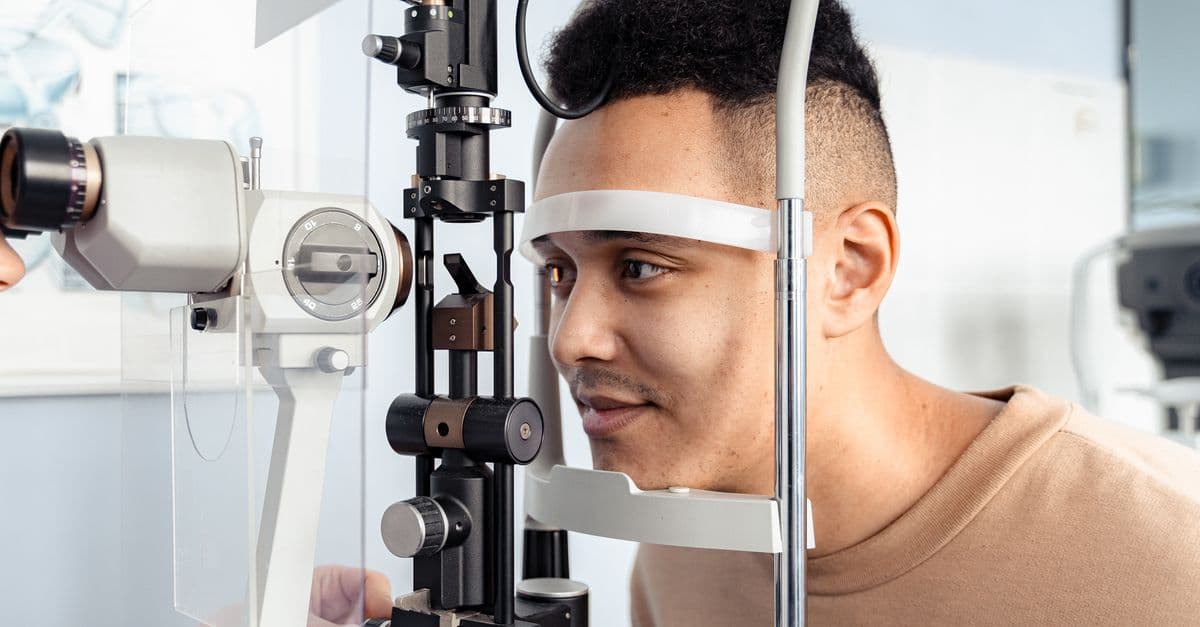
This skill transforms raw patient intake data—whether from completed forms, verbal responses, or clinical notes—into organized, EHR-ready documentation. It systematically extracts ocular and systemic medical history, identifies urgent symptoms requiring expedited examination, flags drug interactions or contraindications relevant to vision care, and generates professional summaries that prepare optometrists for efficient, informed consultations. You'll reduce documentation rework, ensure no critical information is missed, and improve the quality of the medical record.
 by kanta13jp1
You can analyze your Godot game's profiler output to identify frame time bottlenecks, memory leaks, and inefficient GDScript code. Claude provides actionable optimization recommendations with specific code examples tailored to your game architecture, helping you hit your target frame rate on all platforms.
by mohi-devhub
You can design scalable FMOD event hierarchies, optimize audio scripts for performance, and troubleshoot complex audio implementation issues. This skill guides you through architectural decisions, provides optimization strategies backed by performance data, and delivers step-by-step debugging workflows for audio problems in production environments.
by mohi-devhub
Upload your Wwise profiler data, project logs, or describe integration issues, and Claude analyzes performance bottlenecks, identifies memory leaks, and recommends optimizations specific to your audio architecture. You'll get actionable troubleshooting steps, code suggestions, and best-practice implementations to resolve integration problems faster.
by mohi-devhub
This skill turns raw Unreal Engine profiler data into actionable performance improvements. Paste your profiling results, frame stats, or code metrics, and Claude analyzes the data like a performance engineer—identifying bottlenecks, explaining root causes, and recommending specific optimizations. Works with Insight profiler dumps, Stat reports, RenderDoc data, and custom performance metrics.
by mohi-devhub