


Paint & Coating Formulation Optimizer
Develop paint formulations using spectroscopic data and pigment chemistry

What You Can Do
You can translate color targets (CIEXYZ, ΔE tolerances) into precise pigment combinations, analyze spectrophotometric measurements to predict undertones and metamerism risk, and diagnose coating defects through structured problem-solving. The skill helps you document formulation changes with technical rationale, evaluate pigment substitutions, and optimize competing demands like color accuracy, hide, and cost—all while considering binder compatibility, particle size distribution, and application method requirements.
Features
Convert CIEXYZ targets and ΔE tolerances into specific pigment combinations with undertone analysis
Analyze reflectance curves and spectrophotometric measurements to predict color shifts and metamerism risk
Systematic troubleshooting for batch variations, application issues, and stability problems using structured problem trees
Evaluate alternative pigments with clear performance trade-offs (color, cost, durability, compatibility)
Balance material costs against performance tiers without compromising specification requirements
Design accelerated durability testing strategies and interpret fade/chalking data
Generate regulatory-compliant formulation records with change rationale and performance justification
Example Output
Example 1: Pigment Selection for Automotive Topcoat
Color Target: CIEXYZ (48.5, 50.2, 55.1), ΔE 1.5 max

Recommended Formulation:
- Titanium Dioxide (rutile): 45% (opacity, brightness)
- Mica/Iron Oxide Blend: 8% (undertone correction, metallic effect)
- Organic Red Pigment: 3.2% (warmth balance)
- Dispersant/Resin: 43.8% (binder system)

Rationale: Mica provides interference while iron oxide ensures lightfastness. Organic red achieves target undertone without excessive use (cost/stability risk).
Example 2: Troubleshooting Batch Variation
Issue: ΔE 3.2 between pilot and production runs

Diagnosis:
- Spectroscopic comparison shows +0.8 lightness shift, -2.1 yellow shift
- Likely causes: (1) Pigment lot variation in organic red, (2) Dispersant shear rates differ
- Testing plan: Compare particle size distribution; evaluate organic red alternative

Solution: Increase dispersant concentration by 0.5%, verify red pigment supplier batch against reference standard
What's Included
- SKILL.md instruction file with formulation workflow and spectroscopic interpretation guidelines:
- Color-to-pigment translation framework (CIEXYZ reference guide):
- Pigment substitution decision matrix (cost, color, durability, compatibility):
- Coating defect diagnostic flowchart (appearance, application, stability issues):
- Accelerated weathering protocol template (fade testing, salt spray, QUV exposure):
Who It's For
- Color scientists and formulation chemists developing new paint and coating products
- Quality assurance specialists troubleshooting batch variations and customer complaints
- Technical service representatives evaluating pigment substitutions and cost-down options
- Regulatory/compliance specialists documenting formulations for customer specifications
- R&D managers planning durability testing and failure analysis studies
Best For
- Translating color targets into pigment combinations with undertone accuracy
- Analyzing spectrophotometric data to diagnose color shifts and metamerism risk
- Troubleshooting coating defects (crazing, chalking, application issues) systematically
- Evaluating pigment substitutions with clear performance and cost trade-offs
- Planning accelerated weathering studies and interpreting durability test results
You might also like

This skill provides color scientists with a structured methodology to evaluate formulation changes, predict pigment behavior across storage conditions, and optimize undertones and saturation without compromising batch consistency. You'll transform ingredient data and stability test results into actionable recommendations that satisfy regulatory bodies, internal stakeholders, and manufacturing constraints.
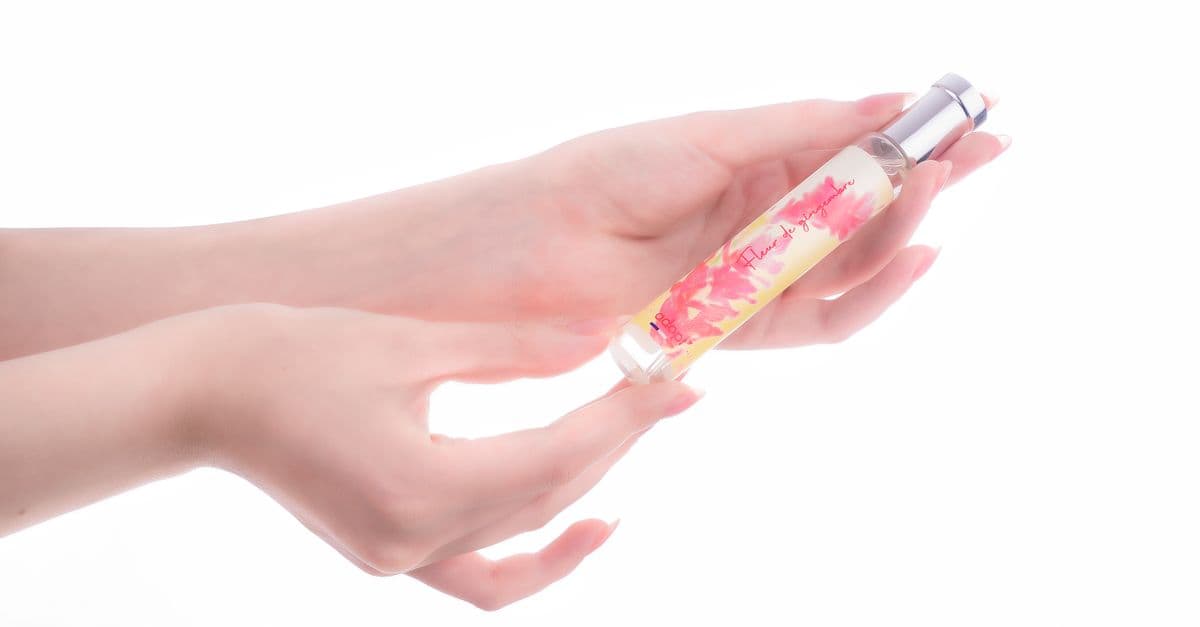
You can systematically design fine fragrance compositions from brief to finished formulation by applying olfactory pyramid theory, ingredient synergy analysis, and sensory profiling. The skill helps you balance competing demands—longevity versus freshness, cost versus quality, trend versus timelessness—while documenting the creative rationale behind every decision. You'll generate detailed composition briefs, test formulation concepts, iterate on multi-note structures, and create documentation suitable for team handoff, client approval, or regulatory submission.

You can evaluate crypto trading signals across multiple timeframes, recognize recurring chart patterns, and assess market sentiment to validate entry points. The framework consolidates technical indicators, volume analysis, and price action into a structured decision-making process that filters noise and highlights high-confidence setups.

You can rapidly validate fragrance concepts by analyzing market fit across five critical dimensions: consumer demand alignment with emerging trends, competitive white space and differentiation opportunities, regulatory compliance barriers by geography, price positioning within your target segment, and psychographic targeting precision. The skill delivers a structured go/no-go assessment with specific improvement recommendations, helping you eliminate non-viable concepts early and accelerate promising ones toward formulation.

You can rapidly translate marketing briefs and consumer research into technical fragrance formulations complete with competitive positioning, bill of materials, cost breakdowns, and manufacturing feasibility assessments. The skill systematizes how consumer positioning, regulatory constraints, and production economics determine aromatic compositions—enabling you to move from brief to supplier-ready formulation specifications without guesswork.

You can develop new paint formulations from performance briefs, troubleshoot color matching failures and metamerism issues, optimize rheological properties for specific application methods, and diagnose pigment settling and compatibility problems. Claude guides you through colorimetric analysis, viscosity balancing, pigment chemistry optimization, and formulation scaling while maintaining reproducibility and regulatory compliance.
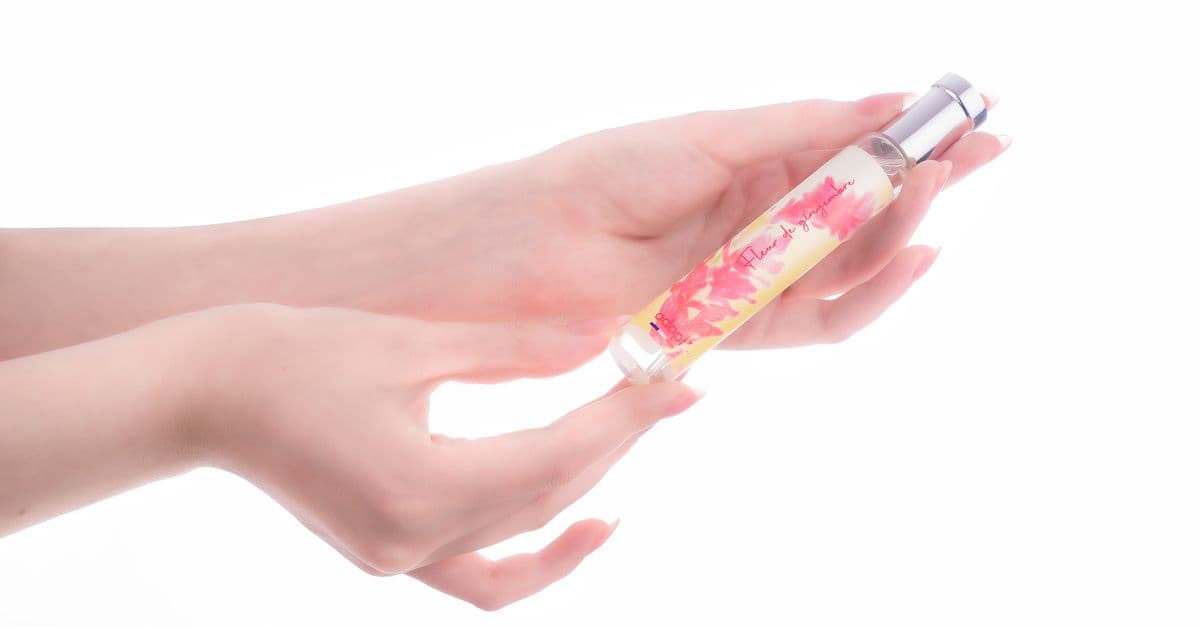
You can build fragrance formulations from concept to validation, balancing creative sensory goals with manufacturing constraints. The skill guides you through raw material selection, cost optimization, regulatory compliance verification (IFRA, EU 1223/2009, regional restrictions), and sensory profiling to ensure your formulations are commercially viable, reproducible across batches, and compliant with global standards.

You can develop new paint formulations from color standards or competitor samples, optimize existing recipes for cost reduction while maintaining performance, troubleshoot color drift and adhesion failures during scale-up, and match CIE Lab* targets with available pigments. The skill guides you through pigment loading calculations, viscosity control, dispersant chemistry, and creates production-ready documentation including formula cards and technical datasheets.