


Cosmetic Formulation Optimizer
Optimize color cosmetic formulations for stability, sensory appeal, and regulatory compliance

What You Can Do
This skill provides color scientists with a structured methodology to evaluate formulation changes, predict pigment behavior across storage conditions, and optimize undertones and saturation without compromising batch consistency. You'll transform ingredient data and stability test results into actionable recommendations that satisfy regulatory bodies, internal stakeholders, and manufacturing constraints.
Features
evaluate colorant compatibility, predict shade shifts, and identify concentration thresholds for optimal color performance
assess how formulations respond to temperature, humidity, light exposure, and time using scientific data interpretation
balance texture, spreadability, finish, and application feel alongside color aesthetics
cross-reference formulation against EU, FDA, China, and other regional color cosmetic restrictions
generate dossiers with test protocols, acceptance criteria, and decision rationale for audits and submissions
benchmark your formulations against competitors to identify performance gaps and reformulation opportunities
create specifications and troubleshooting logic to minimize shade variation between production runs
evaluate ingredient substitutions and pigment alternatives while protecting color stability and sensory appeal
Example Output
Example 1: Pigment Stability Assessment
Formulation: Liquid foundation with iron oxide (10%) and mica (8%)
- Current concern: Yellow undertone intensifying after 6 months at 40°C
- Analysis: Iron oxide oxidation state shift; mica particle size affecting light scattering
- Recommendation: Add chelating agent (0.2% EDTA disodium) to stabilize iron oxide; reduce mica to 6% and increase titanium dioxide (2%) to restore undertone balance
- Expected outcome: Yellow shift reduced to <1 ΔE units over 12-month stability window
Example 2: Regulatory Compliance Check
Five-market launch (US, EU, Japan, China, South Korea) for eyeshadow palette
- Original formulation: Contains D&C Red No. 6 (approved US/Japan; restricted EU)
- Reformulation pathway: Substitute with CI 15850 (FD&C Red No. 3 equivalent; approved all five markets)
- Pigment performance impact: Undertone shifts from warm-red to cool-red; ΔE = 3.2 units
- Sensory trade-off: Blending behavior improved; adhesion slightly reduced (mitigation: add 1% silicone resin)
- Compliance outcome: Single formulation meets all five market requirements
Example 3: Shelf-Life Troubleshooting
Liquid lipstick batch variation (3 ΔE units shade drift between runs)
- Root cause identified: Inconsistent mixing speed allowing pigment settling; temperature variance during filling affecting suspension stability
- Corrective actions: Implement 8-minute minimum agitation at 500 RPM; narrow fill-temperature window to ±3°C
- Validation protocol: Test 3 consecutive batches at 25°C/60% RH and 40°C/75% RH over 90 days
- Acceptance criteria: ΔE ≤ 1.0 units at all timepoints
- Expected result: Batch-to-batch consistency improved to ±0.5 ΔE units
What's Included
- SKILL.md instruction file: complete methodology for formulation evaluation, decision frameworks, and documentation standards
- Pigment compatibility matrix: reference chart for common colorants (iron oxides, micas, organic pigments, lakes) and known interaction risks
- Stability testing protocol template: standardized timepoints, conditions, and acceptance criteria for shelf-life evaluation
- Regulatory compliance checklist: color-by-region approval status for 50+ approved cosmetic colorants across major markets
- Formulation dossier template: structured format for documenting decisions, test results, and rationale for internal and external review
Who It's For
- Color scientists developing new shades or reformulating existing color products
- Cosmetic formulation chemists troubleshooting stability issues and optimizing pigment performance
- Regulatory affairs specialists preparing submissions and ensuring multi-market compliance
- Product development managers evaluating ingredient alternatives and cost-reduction opportunities
- Quality assurance teams validating batch consistency and shelf-life protocols
Best For
- Color cosmetic development (foundations, eyeshadows, blushes, lip colors, nail lacquers)
- Troubleshooting unexpected shade variations and color instability
- Evaluating alternative pigments or pigment suppliers without reformulation failure
- Preparing regulatory submissions and dossiers for multi-region product launches
- Comparative analysis between your formulations and competitor products
- Planning and interpreting stability testing protocols
- Managing cost-reduction reformulations while protecting color performance and sensory appeal
You might also like
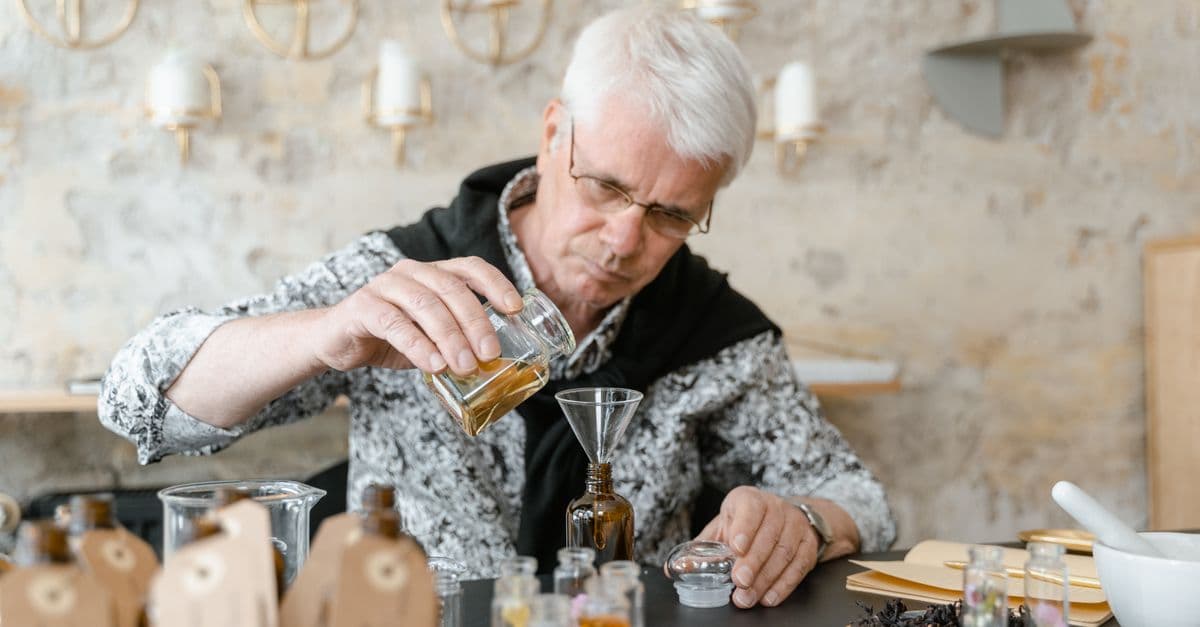
You can rapidly evaluate multiple supplier options against technical specifications, pricing structures, regulatory requirements, and olfactory profiles simultaneously. This skill helps you document sourcing decisions, assess supply chain risks, and ensure your fragrance formulations are both creatively feasible and commercially sustainable while maintaining audit-ready compliance records.

You'll structure fragrance formula development around sensory benchmarking, molecular balance, and cost-performance optimization. Claude helps you document olfactory impressions, analyze competing objectives (longevity vs. freshness, complexity vs. clarity), and identify formula weaknesses before production trials. This skill transforms intuitive trial-and-error into reproducible, technically sound formulation practice.

You can systematically generate crypto trading signals by combining technical indicators with on-chain metrics, then validate each signal against your risk criteria before execution. The framework evaluates market conditions, calculates position sizing based on volatility and risk tolerance, and produces actionable entry/exit recommendations with clear confidence scores.
You can systematically evaluate fragrance ingredient suppliers across quality, regulatory compliance, cost structure, and sensory impact. This skill automates supplier comparison, flags regulatory risks (IFRA, REACH, FEMA requirements), models ingredient costs, and assesses sustainability alignment—transforming sourcing from reactive purchasing into strategic decision-making that protects margins and brand positioning.

You can input spectral reflectance data, customer color swatches, or CIE Lab* values and receive detailed dye combination recipes scaled to production batch sizes. The skill calculates color differences (ΔE) against standards, predicts fastness performance across light, wash, and crocking exposure, flags metamerism risks, and identifies incompatible dye class combinations—all structured for immediate handoff to production teams.

You can evaluate crypto trading signals across multiple timeframes, recognize recurring chart patterns, and assess market sentiment to validate entry points. The framework consolidates technical indicators, volume analysis, and price action into a structured decision-making process that filters noise and highlights high-confidence setups.

This skill enables you to evaluate pigment compatibility before bench testing, predict color stability under stress conditions (heat, light, humidity), and verify compliance with regional colorant restrictions across EU, FDA, and China markets. You'll analyze why formulations exhibit unexpected color drift, optimize pigment concentration ratios to achieve target colors while minimizing costs, and troubleshoot shade variations between lab batches and production runs—cutting preliminary trials by 40-60%.

You can translate color targets (CIEXYZ, ΔE tolerances) into precise pigment combinations, analyze spectrophotometric measurements to predict undertones and metamerism risk, and diagnose coating defects through structured problem-solving. The skill helps you document formulation changes with technical rationale, evaluate pigment substitutions, and optimize competing demands like color accuracy, hide, and cost—all while considering binder compatibility, particle size distribution, and application method requirements.