

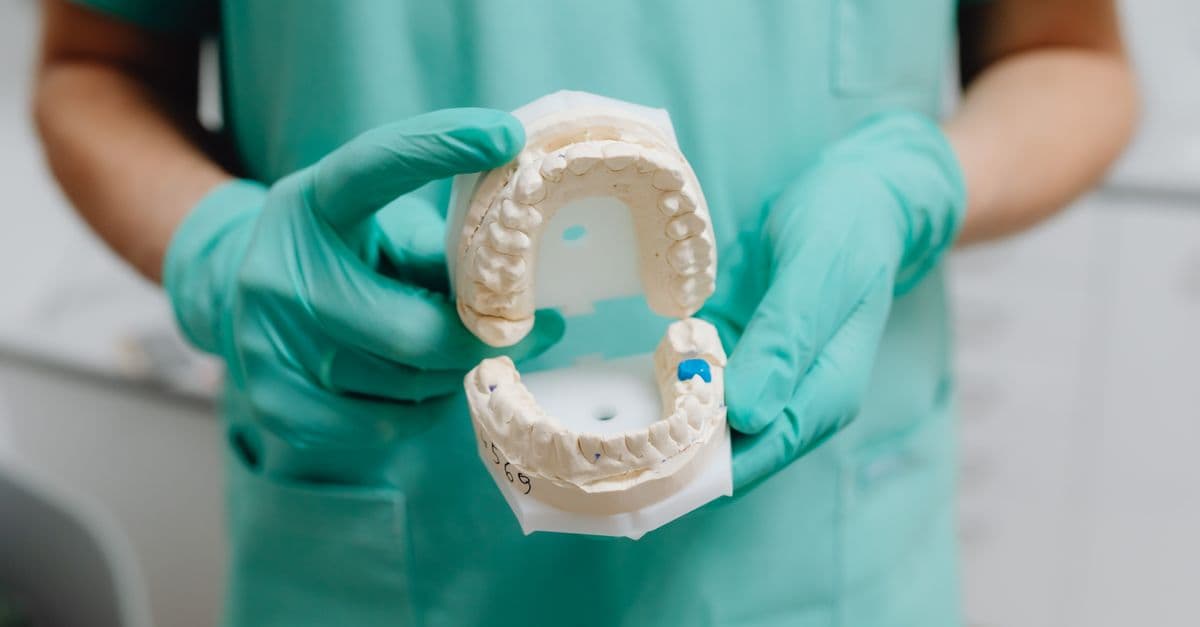
Orthodontic Treatment Planning Assistant
Analyze diagnostic records and generate comprehensive orthodontic treatment plans
What You Can Do
You can input diagnostic records including cephalometric measurements, intraoral photography findings, CBCT results, and clinical examination data. Claude organizes this information into cohesive treatment plans that specify skeletal/dental relationships, treatment sequencing, appliance selection, and force management protocols. This enables faster case documentation, standardized treatment communication, and better staff training on complex cases.
Features
systematically interpret skeletal relationships and dental positioning from measurement data
generate phase-specific protocols aligned with biomechanical principles and clinical evidence
recommend fixed appliance systems, bracket prescriptions, and wire sequences based on case characteristics
detail activation schedules, elastomeric/mechanical protocols, and expected biological response timelines
organize treatment into distinct phases for complex skeletal and dental discrepancies
produce structured case summaries for staff training and patient communication
consolidate findings from multiple imaging modalities into actionable clinical conclusions
create clear treatment intent documentation for clinical team alignment
Example Output
Example 1: Class II Division 1 Case Summary
Diagnostic Summary: Skeletal Class II with maxillary prognathism (SNA 84°), horizontal growth pattern (MP-SN 38°), overjet 8mm, overbite 4mm, lower incisor retroclination. Mixed dentition stage.
Treatment Plan:
- Phase 1 (12-14 months): 0.022" MBT appliance, maxillary expansion via sequential wires, Class II correction with elastics in final phase
- Wire sequence: 0.016" NiTi → 0.018" SS → 0.019×0.025" SS with full-size final mechanics
- Expected outcomes: Overjet correction to 2-3mm, overbite normalized, maxillary arch width gained 4-6mm
Example 2: Severe Crowding Case Specification
Clinical Findings: Lower arch crowding 8mm, upper arch 6mm, Class I molar relationship, 14-year-old, good bone support.
Recommended Approach:
- Appliance: 0.022" passive bracket system for light continuous forces
- Extraction consideration: Lower first premolars to resolve crowding
- Initial alignment: 0.014" and 0.016" NiTi wires (6-week intervals) for gentle leveling
- Total treatment duration: 18-24 months
- Staff protocol: Monitor PA/lateral radiographs at 6-month intervals for root parallelism
What's Included
- SKILL.md instruction file with diagnostic framework and treatment planning protocols:
- Diagnostic checklist for organizing cephalometric, imaging, and clinical findings:
- Treatment planning template with sections for skeletal analysis, dental characteristics, appliance selection, and sequencing:
- Biomechanics reference guide documenting force ranges, wire activation sequences, and elastic management:
- Case documentation workflow for standardizing treatment communication across your practice:
Who It's For
- Orthodontists — comprehensive case analysis and treatment plan generation for practice efficiency
- Orthodontic residents/students — structured learning of systematic case analysis and treatment planning logic
- Practice managers — case documentation standardization and staff training material development
- Clinical orthodontic staff — treatment intent clarification and protocol implementation guidance
- Consulting orthodontists — second-opinion consultation preparation with organized diagnostic synthesis
Best For
- Initial comprehensive case analysis and documentation
- Multi-phase treatment planning for complex skeletal and dental discrepancies
- Appliance selection and wire sequencing protocol development
- Treatment staff training on case presentation and clinical reasoning
- Insurance authorization material preparation and treatment timeline documentation
- Research case cohort characterization and outcome prediction
You might also like
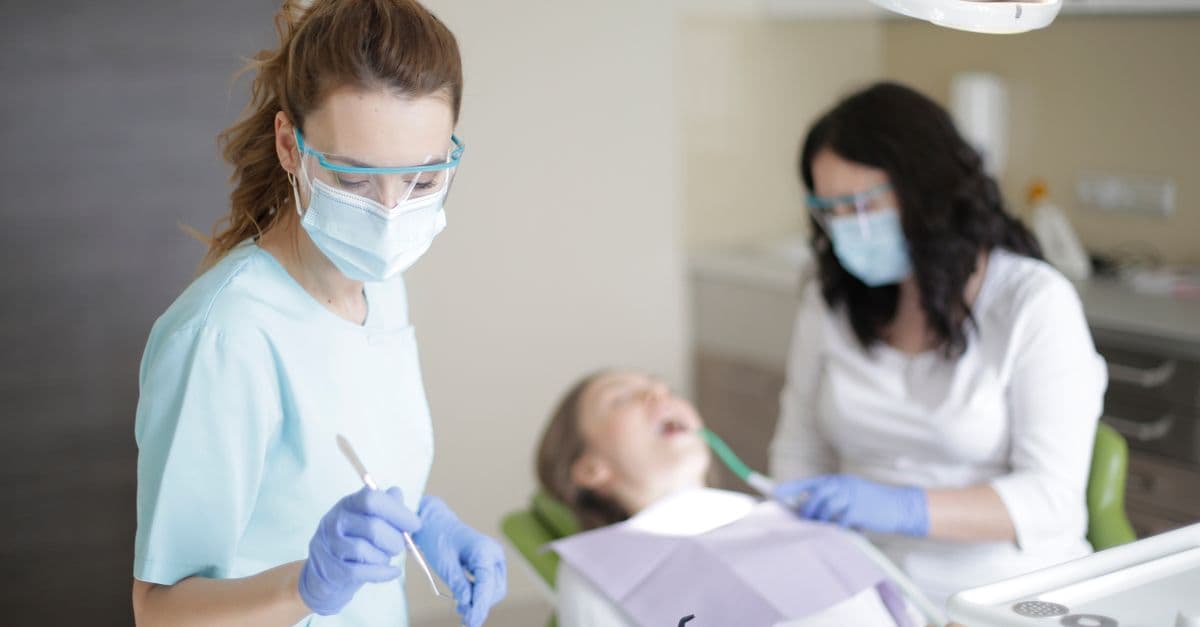
You can systematically develop phase-by-phase orthodontic treatment protocols that synthesize diagnostic data, patient anatomy, and mechanical principles. This skill generates detailed appliance selection recommendations, extraction vs. non-extraction analyses, wire progression sequences, and clinical milestones to guide efficient execution from initial placement through retention for complex malocclusions requiring three-dimensional control.
 by comeonoliver
You can input detailed case information—including patient history, radiographic findings, clinical examination results, and anatomical considerations—and receive a comprehensive treatment analysis. The skill generates structured case summaries, identifies critical diagnostic elements, evaluates treatment options (conventional endodontic, surgical, or extraction), and produces documentation-ready prognosis assessments that support clinical decision-making and patient communication.
by comeonoliver
Stop bleeding money on forgotten subscriptions and negotiable expenses. This skill systematically dissects your spending, exposes hidden patterns you've overlooked, and generates a prioritized action plan that typically uncovers $2,000-$8,000+ in annual savings. You'll get specific negotiation templates, insider tips for lowering bills, and a complete expense audit that tells you exactly where your money is really going.
by comeonoliver
You can generate complete treatment plans for traditional fixed appliance cases by integrating diagnostic data, skeletal/dental analysis, and biomechanical principles. Claude helps you structure extraction vs. non-extraction decisions, design anchorage control strategies, sequence mechanics systematically, and create patient-facing narratives that explain your clinical rationale. This skill is designed for moderate-to-complex cases where defensible clinical reasoning and treatment efficiency optimization are critical.
by comeonoliver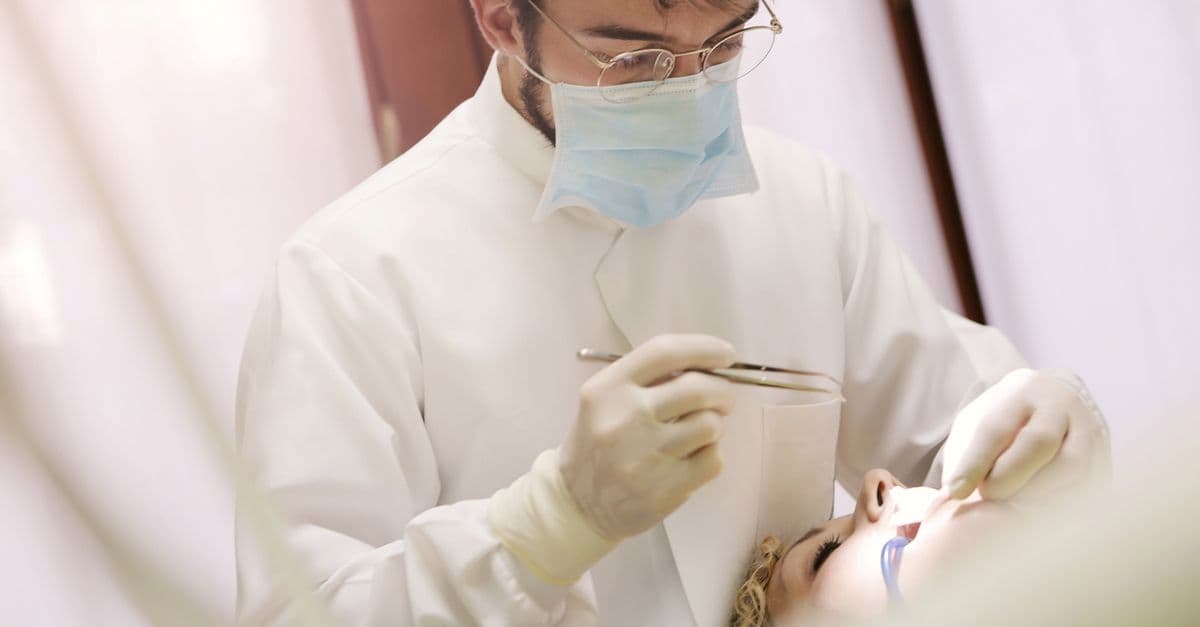
You can comprehensively analyze failed root canal cases to pinpoint why initial treatment didn't succeed—whether due to technical errors, anatomical challenges, or biological factors. Claude helps you develop systematic retreatment protocols, document clinical decision-making for peer review and medicolegal protection, and create patient-facing explanations of treatment failure mechanisms.
by comeonoliver
You systematically develop comprehensive denture case plans by analyzing patient presentation data, classifying denture types, sequencing treatment phases, and generating detailed fabrication specifications. The skill guides you through material selection, esthetic requirement documentation, and clinical intent capture—producing standardized documentation that ensures your laboratory partner understands your clinical vision and reduces remake cycles.
by comeonoliver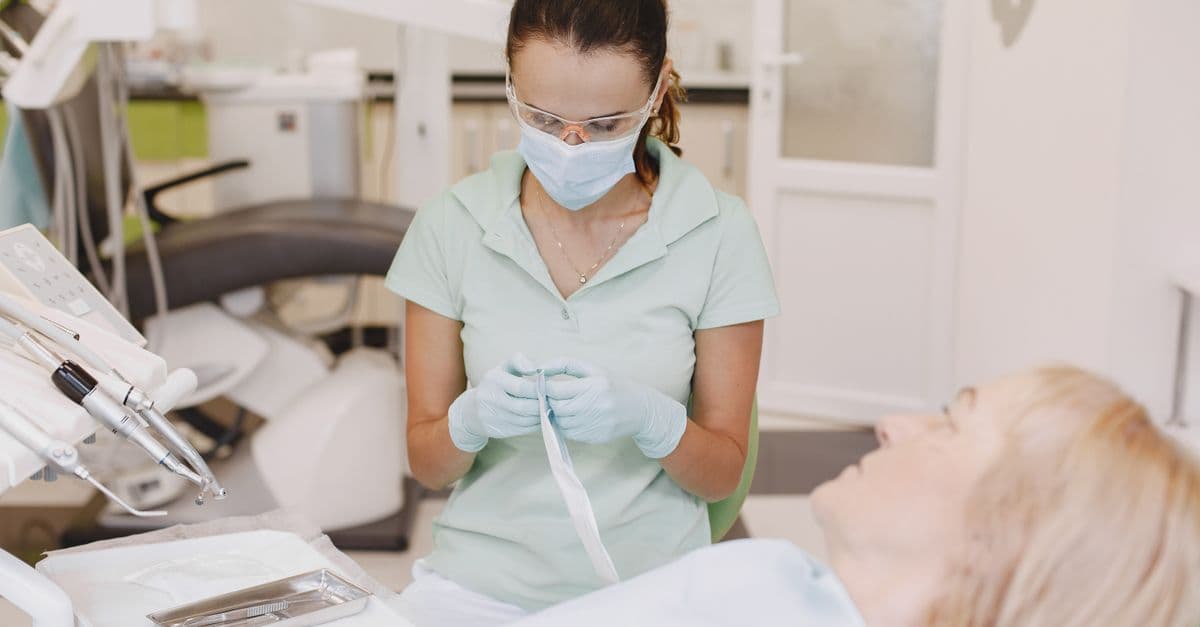
You can transform patient presentations into evidence-based crown and bridge treatment plans that account for clinical factors (tooth anatomy, bone support, opposing dentition), patient variables (budget, esthetics, longevity), and laboratory requirements. The skill guides systematic case analysis, material and design selection, treatment sequencing decisions, and generates patient-ready documentation to support informed consent and case acceptance.
by comeonoliver
You can systematically evaluate patients with severe skeletal discrepancies and develop coordinated surgical treatment plans that integrate cephalometric analysis, surgical movement simulation, and patient communication strategies. This skill structures the entire pre-operative planning process—from baseline skeletal assessment through surgical consultation readiness—ensuring precise documentation and clear coordination with maxillofacial surgery partners.
by comeonoliver