

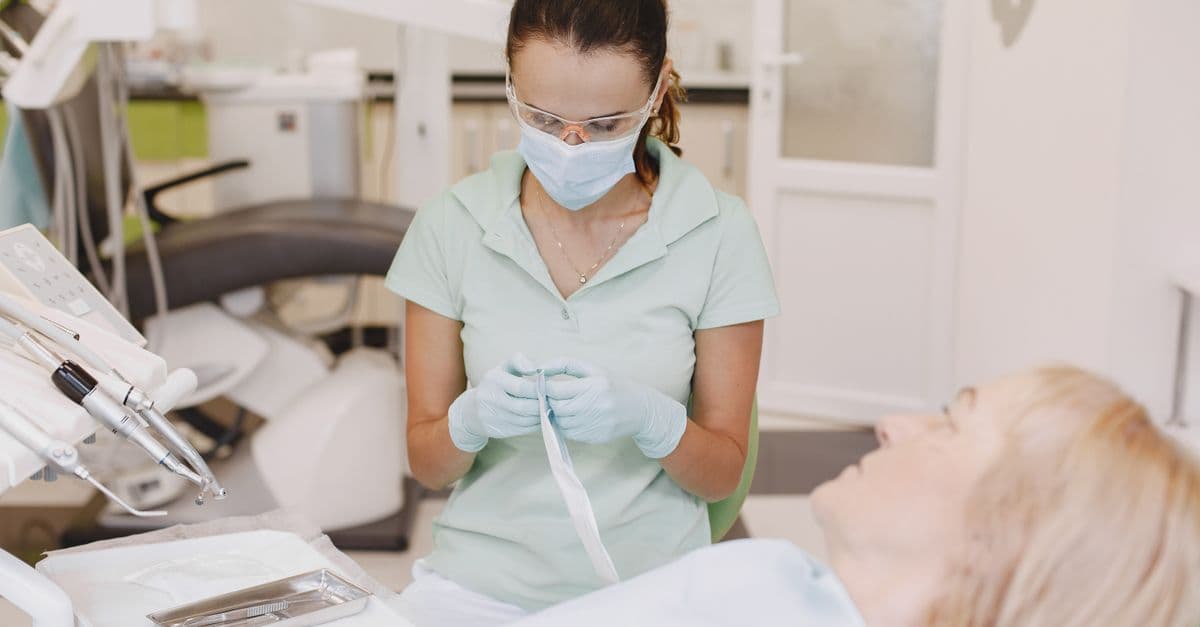
Crown & Bridge Treatment Plan Optimizer
Develop evidence-based crown and bridge treatment plans with clinical decision support
What You Can Do
You can transform patient presentations into evidence-based crown and bridge treatment plans that account for clinical factors (tooth anatomy, bone support, opposing dentition), patient variables (budget, esthetics, longevity), and laboratory requirements. The skill guides systematic case analysis, material and design selection, treatment sequencing decisions, and generates patient-ready documentation to support informed consent and case acceptance.
Features
Systematically evaluate abutment conditions, bone support, occlusal factors, and esthetic demands to establish clinical parameters
Compare prosthodontic materials (all-ceramic, zirconia, PFM, composite) against clinical and patient criteria with evidence-based rationale
Develop phased plans for multi-unit cases with clear appointment protocols and prerequisite procedures
Generate crown/bridge designs (full veneer, partial veneer, cantilever considerations) tailored to specific clinical anatomy
Create clear, non-technical explanations of treatment options, material tradeoffs, and expected outcomes for informed consent
Document clinical specifications and design details for precise technician instructions and predictable results
Organize clinical rationale and treatment documentation for benefit verification and claim submission
Develop treatment strategies for teeth with reduced bone support, endodontic history, or anatomical limitations
Example Output
Case 1: Anterior esthetic zone with competing options
- Treatment Plan Summary: Maxillary right central incisor with class IV fracture and compromised pulp vitality
- Recommended approach: Porcelain-fused-to-zirconia full-veneer crown on endodontically treated tooth vs. implant-supported crown
- Clinical rationale: Existing tooth structure allows conservative preparation; implant alternative carries 4-6 month timeline
- Material selection: Zirconia substructure provides superior esthetics, strength, and margin concealment in smile zone
- Patient communication: "Your tooth can be restored with a natural-looking crown that matches your other teeth. The treatment takes 2-3 weeks and involves removing the damaged part of your tooth."
Case 2: Multi-unit posterior bridge with reduced bone
- Patient: Mandibular missing teeth #29-30 with Class II abutment support
- Sequencing: Phase 1 (weeks 1-2) periodontal evaluation and possible bone grafting; Phase 2 (weeks 4-6) bridge preparation and fabrication
- Design specification: Three-unit bridge (#28 to #31) with hygienic embrasure forms and accessible pontic design for bone resorption accommodation
- Material choice: Semi-precious alloy with porcelain veneer on esthetic facial surfaces for strength and longevity
- Insurance documentation: Clinical rationale for necessity over implant option citing medical contraindications
What's Included
- SKILL.md instruction file with systematic workflow for treatment planning analysis:
- Case Analysis Checklist: Clinical parameters template (abutment status, bone support, occlusal factors, esthetics)
- Material Selection Framework: Decision matrix comparing all-ceramic, zirconia, PFM, and composite options against clinical criteria
- Treatment Sequencing Template: Multi-phase planning structure for appointment scheduling and prerequisite procedures
- Patient Communication Templates: Non-technical explanations and informed consent language for common scenarios
- Laboratory Specification Guide: Prosthodontic notation and design detail documentation for technician communication
Who It's For
- Prosthodontists developing comprehensive treatment plans for crown and bridge cases
- General dentists managing multi-unit restorative cases requiring systematic clinical documentation
- Dental practice managers preparing treatment presentations and insurance predetermination submissions
- Clinical educators teaching evidence-based prosthodontic treatment planning to residents and students
- Dental practices seeking standardized treatment planning protocols for consistency and predictability
Best For
- Complex multi-unit bridge cases requiring sequencing and bone resorption considerations
- Esthetic zone crown rehabilitation with competing material and design options
- Treatment planning for compromised abutments or reduced bone support
- Multi-option case presentations requiring clinical rationale for patient decision-making
- Insurance predetermination and benefit verification documentation
- Laboratory communication and specification documentation for technical accuracy
You might also like
You can systematically develop phase-by-phase orthodontic treatment protocols that synthesize diagnostic data, patient anatomy, and mechanical principles. This skill generates detailed appliance selection recommendations, extraction vs. non-extraction analyses, wire progression sequences, and clinical milestones to guide efficient execution from initial placement through retention for complex malocclusions requiring three-dimensional control.
 by comeonoliver
You can generate complete treatment plans for traditional fixed appliance cases by integrating diagnostic data, skeletal/dental analysis, and biomechanical principles. Claude helps you structure extraction vs. non-extraction decisions, design anchorage control strategies, sequence mechanics systematically, and create patient-facing narratives that explain your clinical rationale. This skill is designed for moderate-to-complex cases where defensible clinical reasoning and treatment efficiency optimization are critical.
by comeonoliver
You can comprehensively analyze failed root canal cases to pinpoint why initial treatment didn't succeed—whether due to technical errors, anatomical challenges, or biological factors. Claude helps you develop systematic retreatment protocols, document clinical decision-making for peer review and medicolegal protection, and create patient-facing explanations of treatment failure mechanisms.
by comeonoliver
You can rapidly develop comprehensive pediatric orthodontic treatment plans that account for skeletal maturation stage, dentition phase, growth potential, and optimal timing for interceptive versus definitive intervention. The skill generates structured plans with parent education materials, compliance strategies, and evidence-based protocol selection tailored to each child's developmental stage and clinical presentation.
by comeonoliver
You can systematically assess acute dentoalveolar injuries using structured frameworks that classify fracture types, luxation stages, and avulsion status. The skill guides you through rapid determination of urgency tiers, identifies associated injuries requiring coordination with other specialties, and establishes evidence-based treatment timelines—all while generating standardized documentation for medico-legal purposes.
by comeonoliver
This skill walks you through systematic treatment planning for crown and bridge cases by integrating clinical variables—biomechanical principles, esthetic demands, material properties, patient factors, and financial constraints—into coherent treatment strategies. You'll receive structured decision-making frameworks for material selection, preparation geometry, span considerations, and detailed patient communication protocols that reduce clinical errors and improve predictability across single crowns, multi-unit bridges, complex esthetic cases, and implant-supported restorations.
by comeonoliver
This skill provides endodontists with a systematic protocol for assessing acute dental trauma cases, establishing urgency levels based on injury type and pulp vitality indicators, and creating documented baseline diagnostics that inform treatment decisions. You'll apply standardized assessment criteria across crown fractures, root fractures, luxation injuries, and avulsions—determining which cases need immediate intervention, which benefit from staged treatment, and which require specialist consultation or referral.
by comeonoliver
You systematically develop comprehensive denture case plans by analyzing patient presentation data, classifying denture types, sequencing treatment phases, and generating detailed fabrication specifications. The skill guides you through material selection, esthetic requirement documentation, and clinical intent capture—producing standardized documentation that ensures your laboratory partner understands your clinical vision and reduces remake cycles.
by comeonoliver