

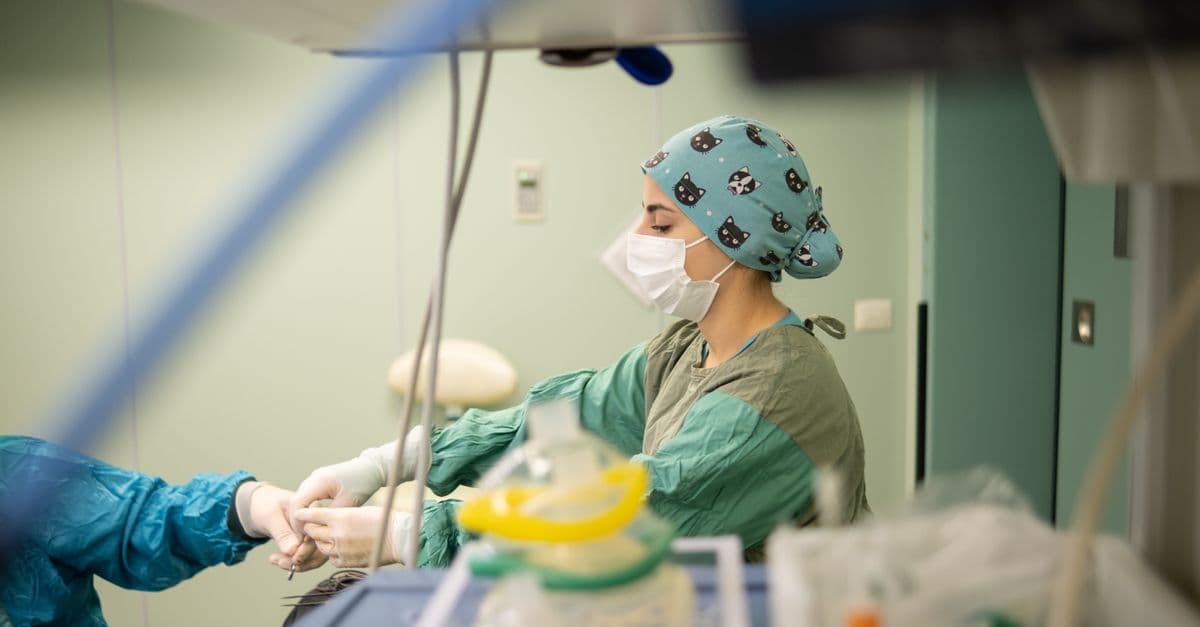
Obstetric Anesthesia Case Planning & Risk Stratification
Generate obstetric anesthesia plans with risk stratification and airway assessment
What You Can Do
You can structure complete anesthetic evaluations for obstetric patients across the full spectrum of complexity—from routine labor epidurals to high-risk cesarean deliveries with significant comorbidities. The skill provides systematic risk assessment frameworks, technique selection matrices tailored to pregnancy physiology, and contingency protocols that account for the unique pharmacokinetics and hemodynamic constraints of the peripartum period. You'll generate documentation that clarifies your clinical reasoning, anticipates pregnancy-specific complications, and communicates clear plans to obstetric teams.
Features
categorize patients by anesthetic complexity (routine, moderate risk, high-risk) based on maternal comorbidities, obstetric factors, and airway characteristics
evaluate Mallampati grade, thyromental distance, neck mobility, and pregnancy-specific edema progression with clinical recommendations
compare neuraxial (epidural/spinal), general anesthesia, and combined approaches with pros/cons specific to indication (labor analgesia vs. cesarean delivery)
address supine hypotension, fluid responsiveness, vasopressor selection, and perioperative blood pressure targets in pregnant patients
assess gastric volumes, timing of last intake, and perioperative fasting/premedication strategies for emergency cesarean
prepare backup intubation strategies, massive transfusion protocols, and amniotic fluid embolism response specific to obstetric settings
generate structured handoff summaries for labor floor, OR, or ICU teams with key decision points and monitoring parameters
structure resident education and case reviews with explicit decision trees and evidence-based rationale for anesthetic choices
Example Output
Example 1: Routine Labor Patient
- Risk Level: Routine
- Airway Assessment: Mallampati I, thyromental distance 6.5 cm, no significant edema
- Recommended Technique: Continuous epidural analgesia
- Key Monitoring: Continuous fetal heart rate, maternal BP every 5 min × 15 min post-placement, sensory level assessment
- Contingencies: Spinal anesthesia if epidural fails; ensure IV access and vasopressor drawn up
Example 2: High-Risk Cesarean (Preeclampsia + Difficult Airway)
- Risk Level: High
- Airway Assessment: Mallampati III, reduced neck mobility, facial/airway edema present—difficult intubation risk HIGH
- Primary Plan: Neuraxial (spinal preferred if platelet count >70k and no coagulopathy)
- GA Backup: Video laryngoscope at bed, bougie available, awake fiberoptic intubation if time permits
- Hemodynamics: Target MAP >65, avoid SNP; use labetalol/nifedipine, prepare magnesium interactions
- Contingency: MTE protocol activated if hemorrhage >1500 mL; cell salvage available
Example 3: Unplanned Cesarean (Failed Induction)
- Risk Level: Moderate
- Time Constraint: <30 min decision-to-incision
- Rapid Assessment: NPO status unclear, epidural catheter in place (re-dosing vs. spinal vs. GA?)
- Decision: Spinal if epidural failed/insufficient; rapid-sequence GA with modified RSI (avoiding Trendelenburg)
- Key Alerts: Fetal compromise likely; maternal-fetal medicine communication critical
What's Included
- SKILL.md instruction file with comprehensive obstetric anesthesia framework and decision algorithms:
- Airway assessment checklist with Mallampati, thyromental distance, and pregnancy-specific edema scoring:
- Risk stratification matrix categorizing patients by anesthetic complexity with comorbidity weighting:
- Technique comparison workflow (neuraxial vs. general vs. combined) with indication-specific decision trees:
- Contingency protocol template for difficult airway, failed intubation, massive transfusion, and amniotic fluid embolism scenarios:
- Care transition handoff template for structured communication with OB, PACU, and ICU teams:
Who It's For
- Anesthesiologists and CRNAs preparing for obstetric anesthesia cases or consultations
- Obstetric anesthesia fellows and residents conducting anesthetic evaluations and learning decision-making frameworks
- Anesthesia educators developing curriculum or teaching case-based learning in obstetric settings
- Anesthesia teams in low-volume obstetric facilities seeking structured risk assessment tools
- Clinical anesthesia residents rotating through labor & delivery wanting to improve case planning documentation
Best For
- Pre-operative anesthetic consultations for laboring patients and scheduled cesarean deliveries
- Risk stratification and complexity assessment for high-risk obstetric patients with significant comorbidities
- Airway planning and contingency preparation for patients with anticipated difficult intubation in pregnancy
- Structured handoff documentation and care transition communication with obstetric and perioperative teams
- Resident teaching and case review with explicit decision trees and evidence-based clinical reasoning
- Protocol development and contingency planning for obstetric anesthesia emergencies (AFE, massive transfusion, eclampsia)
You might also like

You can create comprehensive, evidence-based perioperative pain management protocols tailored to individual patient characteristics and surgical requirements. The skill assesses patient risk factors, recommends optimized multimodal analgesia regimens with specific drug selections and dosing rationales, incorporates regional techniques when appropriate, and identifies contingency plans for inadequate pain control or contraindications. This enables you to move beyond generic guidelines toward truly personalized pain management strategies that reduce opioid exposure while maintaining analgesia.
 by gptomics
You can systematically analyze complex oral surgical cases by generating comprehensive pre-operative plans that consider osseous anatomy, neurovascular structures, and patient-specific risk factors. Claude structures multifactorial surgical analysis into actionable operative protocols, risk stratification reports, and detailed procedural workflows that reduce surgical time and improve clinical outcomes while providing medical-legal documentation.
by gptomics
Conduct comprehensive sports injury assessments using standardized orthopedic tests, mechanism-of-injury analysis, and functional capacity evaluation. You'll document findings in insurance-compliant formats, identify red flags requiring referral, establish objective baseline measurements for progress tracking, and generate evidence-based return-to-play recommendations with clear functional milestones.
by gptomics
This skill guides you through structured psychiatric case formulation using a biopsychosocial framework. You input patient presentation, assessment data, and clinical history, then receive a comprehensive formulation that integrates symptom synthesis, differential diagnosis reasoning, predisposing/precipitating/perpetuating factors, protective factors, and evidence-based treatment recommendations. The output is suitable for clinical documentation, insurance authorizations, case conferences, and supervision.
by gptomics
You can rapidly synthesize complex patient data—comorbidities, functional status, labs, medications—into a comprehensive risk profile and actionable optimization plan. This skill guides you through ASA classification, procedure-specific risk stratification, and patient-centered consent documentation to ensure thorough clinical reasoning and defensible preoperative assessment.
by gptomics
You'll develop comprehensive, hierarchical differential diagnoses that integrate clinical reasoning principles with patient safety. This framework helps you identify 'can't-miss' diagnoses, challenge diagnostic assumptions, and sequence diagnostic workup logically—whether managing complex presentations, atypical symptoms, or high-stakes clinical decisions in primary care, urgent care, or specialty settings.
by gptomics
You can convert clinical observation notes, standardized assessment results (FIM, COPM, AMPAC, etc.), and patient history into professionally formatted occupational therapy functional assessment reports. The skill synthesizes raw data into cohesive narratives that document baseline function, identify specific functional limitations, justify interventions to insurance companies, and establish measurable treatment goals—reducing hours of manual documentation while ensuring compliance with insurance requirements and clinical standards.
by gptomics
This skill transforms fragmented OT assessment findings—ROM measurements, strength tests, ADL observations—into cohesive clinical narratives that connect impairment to functional limitation to participation restriction. You'll generate SMART goals that satisfy both clinical rigor and insurance reimbursement standards, and build intervention plans with explicit evidence-based rationale that accelerates authorization and justifies medical necessity to payers.
by gptomics