


Liner Port Delay Analysis and Mitigation Planning
Analyze port delays and create recovery plans for liner services

What You Can Do
You provide a structured framework to analyze port delays affecting liner schedules, identify root causes across operational, weather, and capacity constraints, and generate actionable mitigation strategies. The skill produces quantified delay impacts, recovery timelines, resource reallocation recommendations, and ready-to-use communication plans for stakeholders.
Features
Systematically identify and categorize delay drivers including equipment failures, weather, berth congestion, crew availability, and customs bottlenecks.
Calculate total delay duration, per-port impact, downstream cascade effects, and cumulative service disruption across the liner route.
Generate realistic recovery schedules accounting for resource constraints, subsequent port calls, and operational buffers to restore service commitments.
Identify optimal crew repositioning, equipment dispatch, and priority port sequences to minimize further delays and maximize recovery efficiency.
Create pre-written messages for customers, port authorities, and crew with accurate ETAs, service guarantees, and next-step actions.
Evaluate secondary risks during recovery including fuel penalties, crew regulations, regulatory compliance, and reputational impact.
Quantify revenue impact, customer SLA breaches, and operational cost overruns from the delay and proposed recovery strategy.
Example Output
Delay Analysis Summary:
- Total delay: 36 hours at Port of Rotterdam
- Root cause: Berth equipment malfunction (18h) + weather window delay (18h)
- Cascade impact: 4 downstream ports affected, average 8-hour each
Recovery Plan:
- Activate backup berth, recover 12 hours by next port call
- Prioritize cargo discharge for time-sensitive shipments
- Notify 156 customers of revised ETAs within 2 hours
- Estimated recovery to schedule: 48 hours post-Rotterdam
Stakeholder Actions:
- Port authority: Expedite customs clearance
- Crew: Overtime authorization for accelerated operations
- Operations: Reroute 23 containers to faster connections
What's Included
- Delay Analysis Framework: Structured template for capturing delay duration, location, root causes, and operational constraints affecting recovery options.
- Mitigation Strategy Templates: Pre-built response playbooks for common delay scenarios including weather, equipment, congestion, and regulatory delays with recommended actions.
- Recovery Timeline Calculator: Logic for estimating realistic recovery windows based on resource availability, port workload, and service constraints.
- Stakeholder Communication Templates: Customer notifications, port authority requests, crew advisories, and regulatory filings with variable placeholders for specific scenarios.
- Risk Assessment Checklist: Evaluation framework for secondary risks including fuel surcharges, regulatory penalties, crew hour violations, and customer contract breaches.
Who It's For
- Liner Operations Managers
- Port Operations Coordinators
- Service Recovery Planners
- Fleet Operations Teams
- Customer Service Directors
Best For
- Emergency delay response planning
- Schedule recovery strategy development
- Multi-stakeholder communication coordination
- Resource reallocation decisions
- Risk and financial impact assessment
You might also like
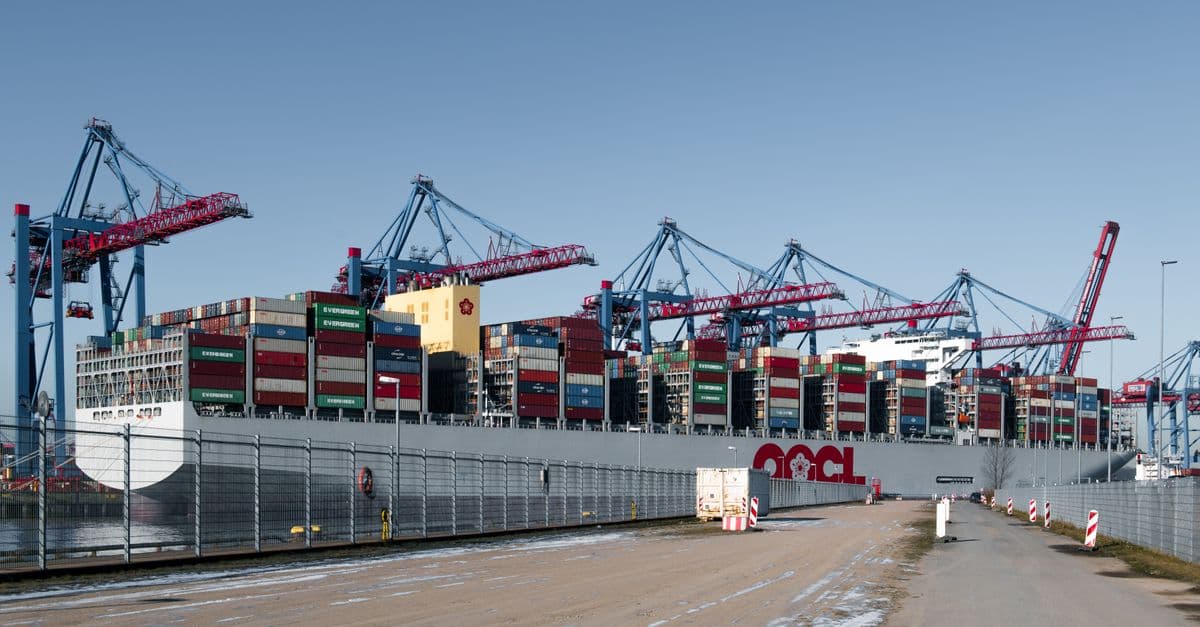
You can analyze shipping expenses across multiple carriers, identify cost-saving opportunities, and evaluate carrier performance metrics to reduce logistics expenses. The skill compares rates, delivery times, reliability scores, and service quality to help you negotiate better contracts and make data-driven carrier selection decisions.
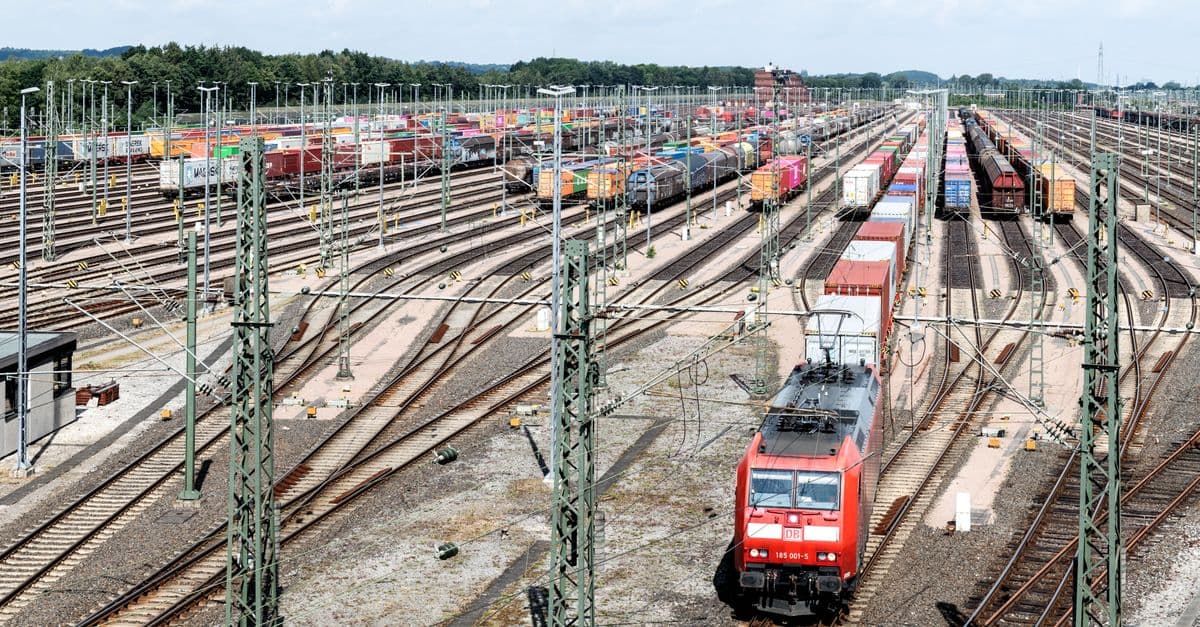
You can map your entire supply chain network, identify bottlenecks and inefficiencies, and model optimization scenarios. This skill helps you visualize supplier relationships, distribution channels, and logistics flows to find cost savings and reduce delivery times. You'll get actionable recommendations backed by network analysis and scenario modeling.

You can analyze historical demand patterns, generate statistical forecasts with explicit assumptions, and create best/base/worst-case scenarios for supply chain planning. The skill evaluates demand seasonality, trends, and volatility to produce actionable forecasts with confidence intervals. Your results include documented methodology, key assumptions, and specific recommendations for inventory and production planning.

You'll create comprehensive, data-driven vendor negotiation briefs that synthesize vendor background, pricing history, market position, and negotiation leverage into a concise, actionable brief. The skill analyzes your vendor context and generates talking points, risk assessments, and strategic recommendations tailored to your negotiation objectives.
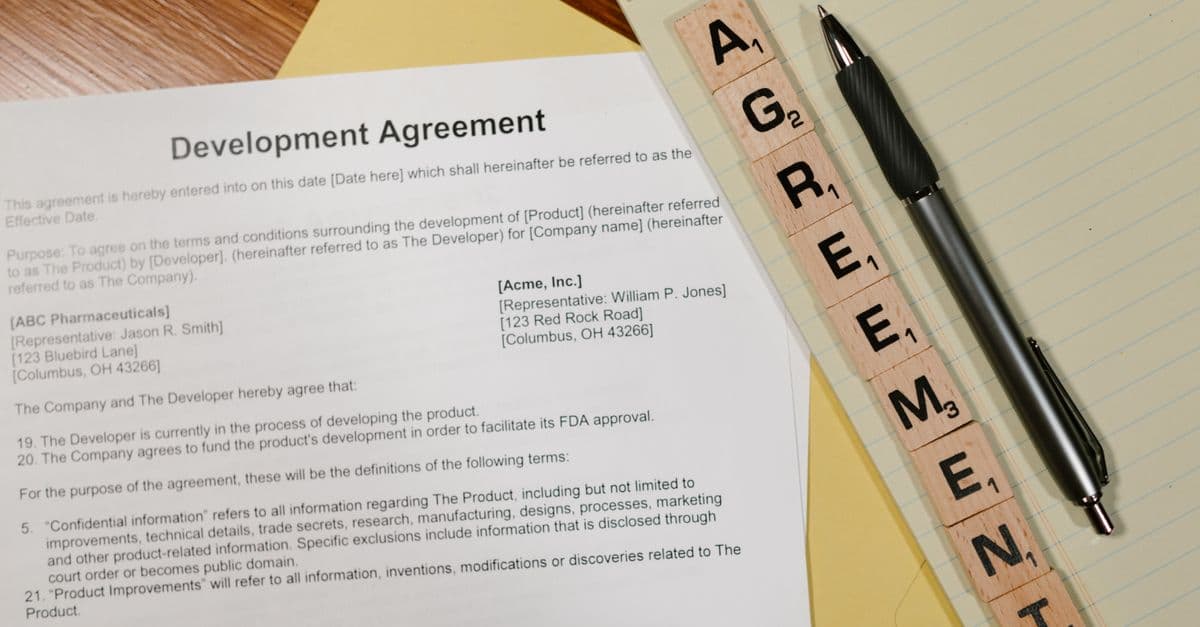
Analyze supplier capabilities and proposals using structured evaluation frameworks that score vendors across cost, quality, delivery, and risk dimensions. Claude builds comprehensive negotiation strategies with quantified leverage points, walkaway prices, and contract optimization recommendations. You'll reduce material costs by 10-20% while minimizing supply chain risks through data-driven decision-making.

This skill quickly analyzes inventory discrepancies from cycle counts, pinpoints the likely root causes, and recommends specific corrective actions to improve accuracy. You can upload count data, review detailed variance breakdowns by location or SKU, and get actionable insights to close gaps in your inventory management.
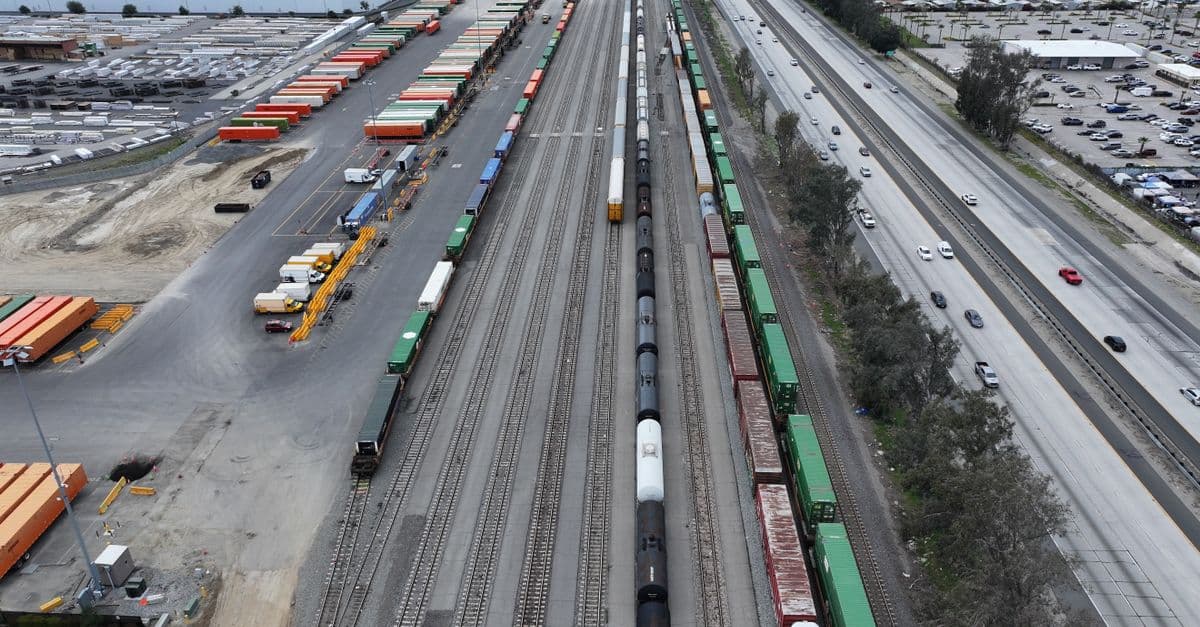
This skill analyzes complex supply chain networks to identify optimization opportunities across cost, service levels, and environmental impact. You can model network changes, evaluate supplier alternatives, and forecast the impact of disruptions before implementation. It provides data-driven recommendations for network redesign, inventory rebalancing, carrier selection, and sustainability improvements.

Rapidly evaluate the impact of port closures, labor actions, weather delays, and equipment failures on your liner schedule. You receive data-driven rerouting recommendations that balance fuel costs, transit time, and customer commitments—plus ready-to-send communication templates to keep stakeholders informed and preserve margins.
 by leoyeai