

Industrial Ergonomic Risk Assessment & Prevention Strategy Builder
Assess ergonomic risks and build injury prevention strategies for industrial workplaces
What You Can Do
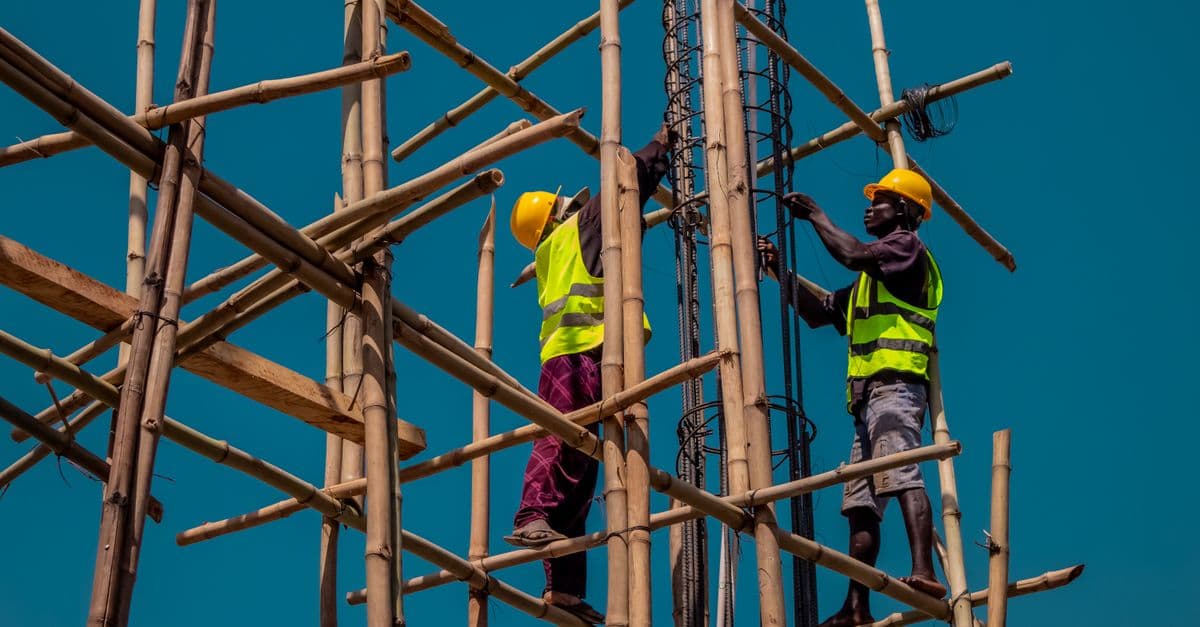
You can conduct rapid ergonomic assessments of industrial workstations and processes to identify injury risks, then develop comprehensive prevention strategies tailored to your workplace. The skill analyzes task demands, environmental factors, and worker capabilities to prioritize interventions by impact and feasibility, helping you reduce musculoskeletal injuries, absenteeism, and workers' compensation costs.
Features
Quickly assess workstations and tasks for ergonomic hazards like repetitive strain, awkward postures, heavy lifting, and vibration exposure. Quantifies risk levels to prioritize high-impact improvements.
Generates tailored intervention plans including engineering controls, administrative changes, PPE requirements, and training recommendations specific to your industry and processes.
Ranks prevention strategies by estimated injury reduction, implementation cost, and timeline, helping you allocate limited resources to maximum-impact improvements.
Produces assessment reports aligned with OSHA guidelines, NIOSH recommendations, and industry standards (ISO 11228 series, ACGIH) for regulatory support and liability protection.
Creates phased action plans with timelines, responsible parties, metrics, and milestone checkpoints so you can track progress and demonstrate commitment to safety.
Develops training content and safe work procedure guides for affected employees, including proper body mechanics, hazard recognition, and reporting protocols.
Suggests key performance indicators like near-miss rates, incident trends, and ergonomic audit scores, plus monitoring methods to track effectiveness and sustain improvements.
Example Output
Sample Risk Assessment Output
Workstation: Assembly Line Station 3 (Solder Joint Inspection)
Risk Level: HIGH
Hazards Identified:
- Repetitive fine motor tasks (90+ motions per minute for 6+ hours daily)
- Microscope work with sustained neck flexion and 15-20 degree deviation
- Wrist deviation and pinch grip on soldering iron handle
- Standing posture with forward trunk lean (>20 degrees)
Estimated Injury Risk: High probability of neck strain, carpal tunnel syndrome, and lower back pain within 12-18 months if unaddressed.
Recommended Interventions (Prioritized)
Phase 1 (Months 1-2, Low Cost):
- Install adjustable work platform with forklift control ($800)
- Provide ergonomic soldering iron grip ($150 per unit × 4 units)
- Implement 2-minute micro-breaks every 30 minutes of repetitive work
- Estimated Injury Reduction: 35-40%
Phase 2 (Months 3-4, Medium Cost):
- Install articulating microscope arm ($3,200)
- Redesign workstation height to allow 90-degree elbow angle ($1,500)
- Estimated Injury Reduction: Additional 25-30%
Success Metrics
- Baseline: 4 lost-time incidents per year > Target: less than 1 incident per year
- Symptom surveys: 60% of workers report discomfort > Target: less than 20% within 6 months
- Return on Investment: $5,650 spend prevents approximately $180K in injury costs annually
What's Included
- Ergonomic Risk Assessment Template: Structured framework for documenting task analysis, hazard identification, risk scoring, and hazard hierarchy using NIOSH, OSHA, and ISO standards.
- Prevention Strategy Generator: Decision trees and best-practice libraries for engineering controls, administrative solutions, PPE selection, and training programs across 20+ industry types.
- Implementation Roadmap Builder: Phased action plan generator with cost estimates, timeline dependencies, responsibility matrices, and success metrics for tracking progress.
- Compliance Report Template: Professional assessment and recommendation report structure that aligns with OSHA documentation requirements, insurance carrier standards, and regulatory audit expectations.
- Training Module Outlines: Customizable content for employee training, including hazard recognition, safe work procedures, ergonomic principles, and incident reporting protocols.
Who It's For
- Safety and Health Managers
- Occupational Health Specialists and Ergonomists
- Plant and Operations Managers
- HR and Workers Compensation Directors
- Manufacturing Engineering and Process Improvement Teams
Best For
- Assessing high-risk assembly lines, packing operations, or manual handling tasks
- Developing injury prevention programs after incident trends are identified
- Creating compliance documentation for regulatory inspections or insurance audits
- Prioritizing ergonomic improvements when budget is limited
- Training teams on safe work practices and hazard recognition
You might also like

Create structured return-to-play (RTP) protocols that incorporate evidence-based clinical frameworks, progressive loading stages, and objective outcome criteria. You'll generate injury-specific rehabilitation plans with clinical decision trees, risk stratification, and documentation templates that meet standard-of-care requirements. This accelerates protocol development from hours to minutes while ensuring consistency and clinical defensibility.
 by pikkujs
You can create science-backed strength training programs tailored to your athletes' goals, experience levels, and sport demands. The skill uses periodization principles and evidence-based phase progression to build programs that optimize performance gains while minimizing injury risk. Each program includes detailed exercise selection, rep/set schemes, load calculations, and progressive overload strategies specific to your athlete's needs.
by pikkujsYou can quickly assess workplace injuries, determine appropriate work restrictions, and generate customized return-to-work protocols that meet OSHA, ADA, and insurance requirements. This skill guides you through structured evaluation of injury severity, creates phased duty-restriction schedules, and produces compliance-ready documentation that HR and medical teams can implement immediately.
by pikkujs
Generate comprehensive injury assessments that analyze incident root causes, identify hazards, and quantify risk across your facility. Create detailed prevention protocols and return-to-work documentation that meet OSHA standards and occupational health regulations. Your plans integrate safety best practices with your specific workplace conditions to reduce incident rates and liability.
by pikkujs
You can systematically evaluate acute and chronic musculoskeletal injuries using validated clinical protocols and generate detailed, defensible documentation that meets professional standards. Claude structures your examination findings, produces rehabilitation recommendations grounded in current evidence, and organizes complex injury data into clear reports suitable for medical records and insurance submission.
by pikkujs
You can conduct comprehensive assessments of team cohesion, identify specific dysfunctional group processes like poor communication or misaligned goals, and receive tailored intervention strategies grounded in organizational psychology research. The skill generates actionable recommendations that strengthen psychological safety, improve collaboration, and boost overall team performance.
by pikkujs
Create progressive, age-appropriate practice plans that develop fundamental skills while preventing overuse injuries. Evaluate your athletes using objective performance metrics and development frameworks, then communicate clear, actionable updates to parents about their child's progress and areas for growth. This skill handles everything from periodized training design to parent communication templates.
by pikkujs
Transform raw athlete metrics into actionable periodized training programs using evidence-based coaching frameworks. You can analyze performance data across multiple dimensions (strength, power, endurance, speed), identify patterns and performance gaps, generate customized training phases aligned with competition calendars, and provide data-driven performance feedback with specific recovery recommendations and injury risk assessments.
by pikkujs