


Humanitarian Logistics Risk Assessment & Planning
Assess humanitarian supply chain risks and build contingency plans
What You Can Do
You can systematically evaluate supply chain vulnerabilities, identify cascading failure modes, and develop detailed contingency plans for humanitarian operations. The skill creates structured risk matrices, maps dependencies between logistics nodes, and generates actionable mitigation strategies tailored to your operational context. You'll receive comprehensive risk assessments that account for geopolitical factors, infrastructure constraints, and resource availability.
Features
Create structured assessment frameworks that evaluate probability and impact across supply chain nodes, producing prioritized risk rankings.
Visualize interconnected logistics nodes, suppliers, transport routes, and storage facilities to identify critical path items and bottlenecks.
Identify cascading risks by analyzing how failure at one node impacts downstream operations, with emphasis on humanitarian-critical supplies.
Build multi-scenario response protocols with alternative suppliers, rerouting options, and backup procedures for disruption scenarios.
Assess regional stability, political volatility, sanctions, conflict zones, and border restrictions that affect humanitarian operations.
Map constraints on personnel, equipment, funding, and local resources, identifying gaps and viable alternatives for each operation tier.
Project consequences of disruptions and recovery timelines, showing how delays cascade through dependent operations and affect beneficiary populations.
Example Output
Risk Assessment Matrix Output:
| Node | Risk Factor | Probability | Impact | Priority | Mitigation |
|---|---|---|---|---|---|
| Port Authority | Port closure | Medium | Critical | P1 | Establish air bridge, identify alternate ports |
| Border Crossing | Political unrest | High | High | P1 | Secure diplomatic clearance, pre-position supplies |
| Cold Chain | Generator failure | Medium | High | P2 | Dual fuel systems, solar backup, local generator contracts |
Contingency Plan Snapshot:
- Scenario: Border closure due to political tensions
- Detection trigger: Official announcement or consistent media reports (72-hour rule)
- Response timeline: Activation within 6 hours of trigger confirmation
- Primary action: Reroute via alternate port +240km (adds 4-day transit window)
- Personnel reallocation: Deploy field coordinators to pre-positioned distribution points
- Backup suppliers: Contact 3 pre-vetted vendors in adjacent regions
- Cost impact: +15% per shipment; ~$85K additional monthly spend
- Population affected if unaddressed: 2,400 patients/week for 8-day recovery window
Dependency Map Summary: Regional Hub → Border Checkpoint → District Distribution Centers → 15 Clinic endpoints. Single-point failures ranked by impact on beneficiary access.
What's Included
- Risk Assessment Framework: Structured methodology for evaluating supply chain vulnerabilities specific to humanitarian operations in complex, resource-constrained environments.
- Supply Chain Dependency Map: Visual and textual representation of all logistics nodes, interdependencies, critical path items, and resilience ratings for each connection.
- Scenario-Based Contingency Plans: Detailed response protocols for 3-5 high-probability disruption scenarios including border closure, infrastructure failure, and vendor bankruptcy.
- Risk Mitigation Strategies: Actionable steps to reduce probability and impact of identified risks, including supplier diversification, strategic inventory positioning, and alternate routing.
- Implementation Timeline: Phased approach for supply chain hardening with resource requirements, inter-phase dependencies, budget implications, and success metrics.
Who It's For
- Humanitarian Supply Chain Manager
- Logistics Coordinator (NGO/UN)
- Emergency Response Planner
- International Development Officer
- Procurement Manager (Humanitarian Organization)
Best For
- Pre-crisis supply chain hardening
- Regional logistics network planning
- Emergency response protocol development
- Vendor and route risk assessment
- Multi-country supply chain optimization
You might also like
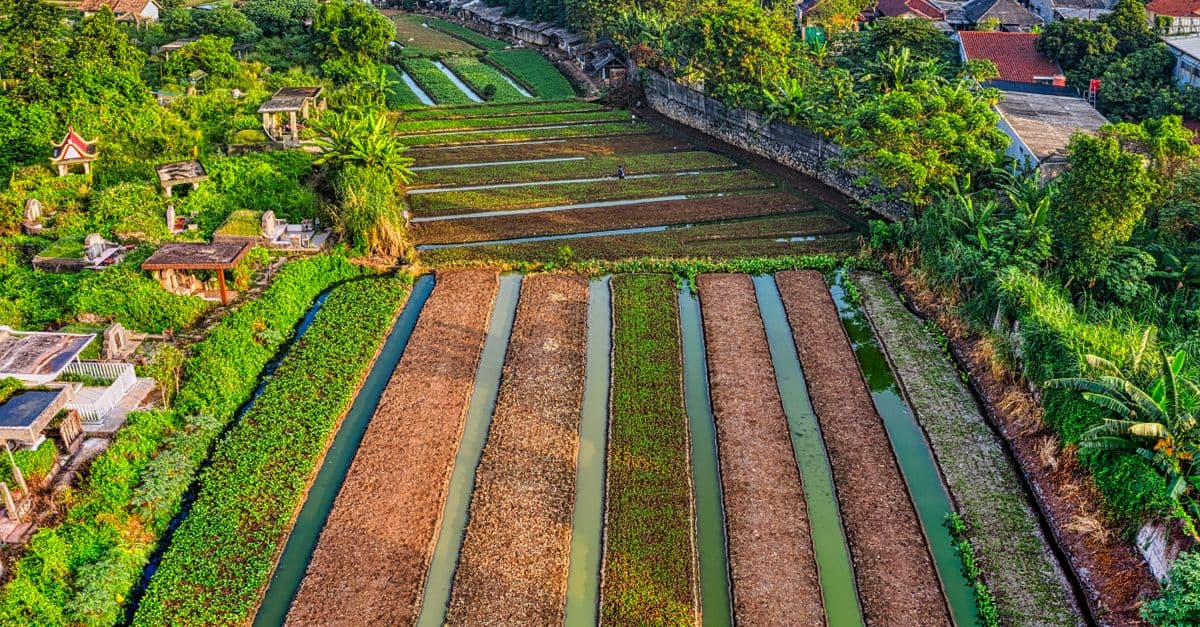
Create comprehensive agricultural development interventions tailored to specific communities by integrating local agro-ecological conditions, stakeholder expertise, and monitoring frameworks. You'll develop implementation roadmaps that combine research evidence with practical feasibility assessments, ensuring interventions address real farmer needs while building capacity for long-term sustainability.
 by jkfnc
You can systematically diagnose unexpected drops in extraction yield by analyzing feed assay, product assay, temperature logs, residence time, and reagent consumption data. This skill ranks likely failure points by probability, quantifies recovery rate deviations from baseline, and recommends corrective actions tied to process thermodynamics and kinetics—transforming raw data into actionable troubleshooting reports within minutes.
by jkfnc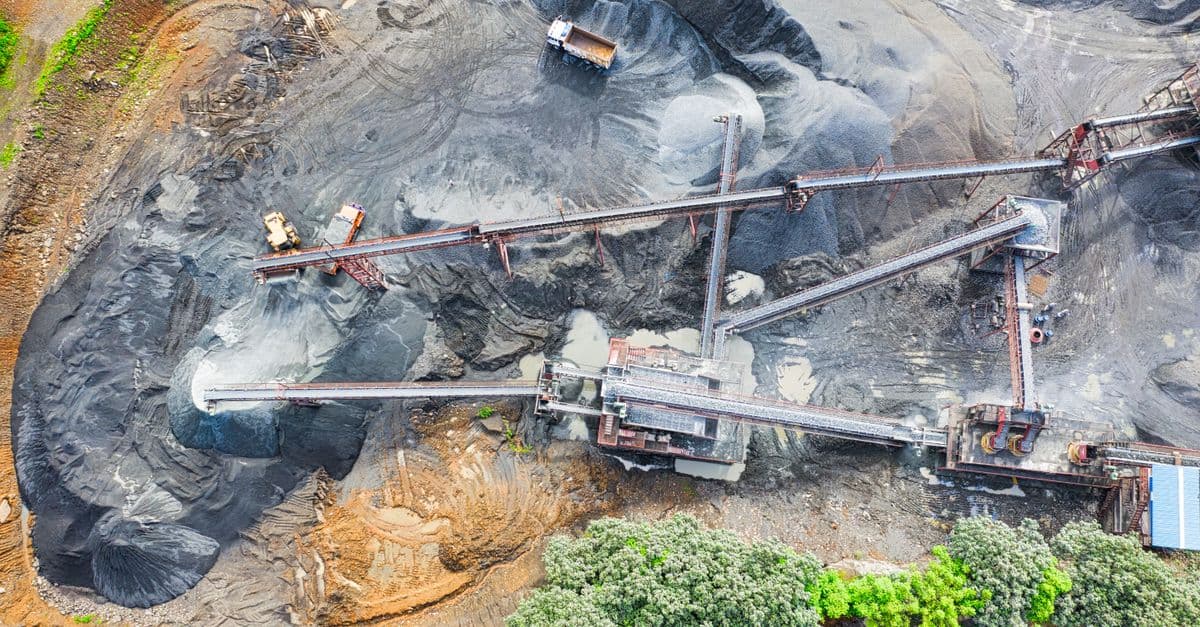
You can transform raw water quality lab results into comprehensive, regulatory-aligned compliance reports. This skill analyzes chemical parameters (pH, metals concentration, sulfates, TSS), generates trend analysis, flags non-compliance incidents, and produces stakeholder communications—automating the entire assessment workflow while ensuring accuracy and legal compliance for NPDES permits, state discharge standards, and permit renewal applications.
by jkfnc
You can design comprehensive, multi-source data collection systems that integrate quality assurance and field documentation for development projects. The skill helps you develop sampling strategies tailored to your project scope, create standardized data collection tools, and establish quality protocols that ensure reliable M&E outcomes. You'll produce complete frameworks that balance data rigor with practical field implementation constraints.
by jkfnc
Upload or paste real-time ventilation monitoring data—temperature readings, gas concentrations (CO₂, CH₄, O₂), airflow rates, and pressure differentials—and Claude analyzes patterns to diagnose specific problems like fan failures, duct blockages, recirculation zones, or inadequate fresh air distribution. You get a structured diagnostic report with identified root causes and prioritized corrective actions, ready to present to your team or regulatory inspectors.
by jkfnc
This skill analyzes field data from humanitarian operations to forecast supply shortages before they occur, optimize distribution routes across complex geographies, and coordinate inventory across multiple sites. You provide operational data, and Claude delivers actionable logistics recommendations that reduce waste, improve response times, and ensure critical supplies reach those who need them most.
by jkfnc
You can diagnose underperforming leaching circuits by analyzing real-time metrics (temperature, pH, solid/liquid ratio, reagent consumption, aeration) against hydrometallurgical first principles. The skill predicts how parameter changes affect metal recovery rates and reagent efficiency, then delivers systematic optimization recommendations to close performance gaps, reduce reagent waste, and accelerate circuit commissioning or troubleshooting timelines.
by jkfnc
This skill guides you through the complete impact assessment lifecycle—from designing evaluation frameworks and defining metrics to collecting data and generating actionable insights. You'll develop SMART indicators, create stakeholder engagement plans, and build evidence-based reports that demonstrate program effectiveness. Whether you're evaluating social programs, corporate initiatives, or community projects, this skill helps you measure meaningful change with rigor and clarity.
by jkfnc