


Extractive Process Troubleshooting & Recovery Rate Optimization
Diagnose extraction circuit failures and optimize recovery rates with thermodynamic analysis
What You Can Do
You can systematically diagnose unexpected drops in extraction yield by analyzing feed assay, product assay, temperature logs, residence time, and reagent consumption data. This skill ranks likely failure points by probability, quantifies recovery rate deviations from baseline, and recommends corrective actions tied to process thermodynamics and kinetics—transforming raw data into actionable troubleshooting reports within minutes.
Features
Analyzes interdependent process variables in leaching, roasting, smelting, and electrometallurgical circuits to pinpoint root causes of yield loss
Calculates deviations from baseline recovery, mass balance errors, and distribution of losses across unit operations
Links failure diagnoses to equilibrium constraints, kinetic rate equations, and temperature-dependent phenomena
Ranks potential failure mechanisms by likelihood based on process data patterns and typical failure modes
Proposes testable corrective actions with predicted impact on recovery rate and implementation feasibility
Detects process drift and mineralogy changes across multiple data points
Re-establishes baseline performance and identifies parametric shifts after equipment modification
Compares alternative extractant chemicals and circuit designs on recovery, cost, and risk metrics
Example Output
Example 1: Leaching Circuit Yield Drop
Input: Copper leaching data showing 12% recovery loss after ore source change.
Output:
Root Cause Analysis: Acid Consumption Surge
— Primary: Gangue acid consumption increased 34% due to higher silica content in new ore
— Secondary: pH control drift caused oxidant decomposition (60% probability)
— Tertiary: Residence time reduction in thickener (20% probability)

Recommended Actions:
1. Increase H₂SO₄ feed rate by 15% and validate pH profile
2. Reduce recycled leach liquor iron concentration via oxidation circuit review
3. Extend thickener residence time by 8 minutes

Expected Recovery Improvement: +8–11% within 2 shifts
Example 2: Roasting Circuit Efficiency Analysis
Input: Gold-bearing pyrite roasting showing 15% assay variance between batches.
Output:
Process Drift Analysis:
— Temperature uniformity ±8°C (target: ±3°C) → combustion incomplete in cool zones
— Residence time distribution: 18–32 min (target: 24±2 min) due to classifier wear
— Oxygen availability reduced 6% in discharge zone

Priority Fix: Recalibrate roaster temperature controller (high impact, 3-day implementation)
Secondary Fix: Screen classifier media replacement (prevents further drift)

Projected Stabilization: <5% batch variance within 1 week
What's Included
- SKILL.md instruction file with structured diagnostic framework:
- Process Data Template: CSV/Excel structure for feed assay, product assay, temperature, residence time, and reagent logs
- Failure Mode Checklist: Common root causes for leaching, roasting, smelting, and electrometallurgical circuits
- Recovery Rate Calculation Worksheet: Mass balance solver and deviation quantifier
- Remediation Action Tracker: Template to document corrective actions, predicted impact, and validation dates
Who It's For
- Extractive/Process Metallurgists — optimizing recovery rates and diagnosing efficiency loss in active circuits
- Plant Operations Engineers — troubleshooting unexpected yield drops and validating post-maintenance performance
- Ore Processing Managers — root-cause analysis for batch-to-batch variability and ore source changes
- Environmental/Quality Auditors — documenting process efficiency and control evidence for regulatory compliance
- Metallurgical Researchers — scaling lab results to production and comparing alternative extractant strategies
Best For
- Diagnosing unexpected 5%+ drops in extraction yield without obvious cause
- Quantifying recovery rate deviations across leaching, roasting, smelting, and electrometallurgical unit operations
- Analyzing batch-to-batch variability to detect process drift or mineralogy changes
- Re-optimizing extraction parameters after equipment modification or ore source changes
- Validating post-maintenance start-up performance and identifying parametric shifts
- Comparing alternative extractant chemicals or circuit designs on technical and economic merit
- Generating audit-ready documentation of process efficiency and root-cause corrective actions
You might also like

Create comprehensive agricultural development interventions tailored to specific communities by integrating local agro-ecological conditions, stakeholder expertise, and monitoring frameworks. You'll develop implementation roadmaps that combine research evidence with practical feasibility assessments, ensuring interventions address real farmer needs while building capacity for long-term sustainability.
 by jkfnc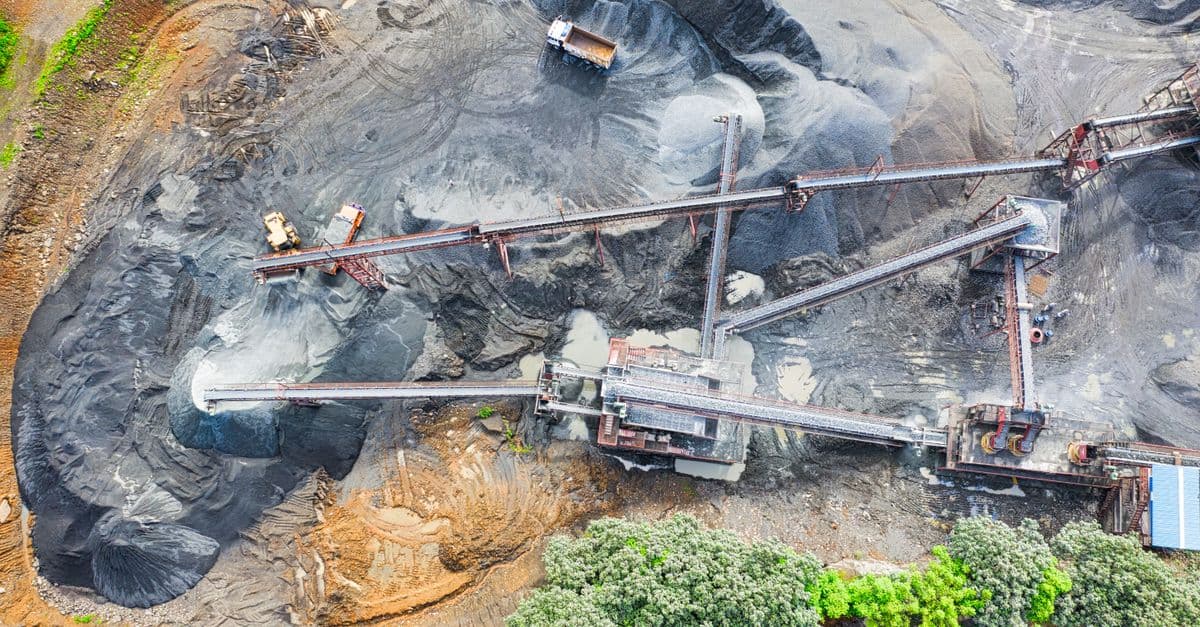
You can transform raw water quality lab results into comprehensive, regulatory-aligned compliance reports. This skill analyzes chemical parameters (pH, metals concentration, sulfates, TSS), generates trend analysis, flags non-compliance incidents, and produces stakeholder communications—automating the entire assessment workflow while ensuring accuracy and legal compliance for NPDES permits, state discharge standards, and permit renewal applications.
by jkfnc
You can design comprehensive, multi-source data collection systems that integrate quality assurance and field documentation for development projects. The skill helps you develop sampling strategies tailored to your project scope, create standardized data collection tools, and establish quality protocols that ensure reliable M&E outcomes. You'll produce complete frameworks that balance data rigor with practical field implementation constraints.
by jkfnc
This skill analyzes field data from humanitarian operations to forecast supply shortages before they occur, optimize distribution routes across complex geographies, and coordinate inventory across multiple sites. You provide operational data, and Claude delivers actionable logistics recommendations that reduce waste, improve response times, and ensure critical supplies reach those who need them most.
by jkfnc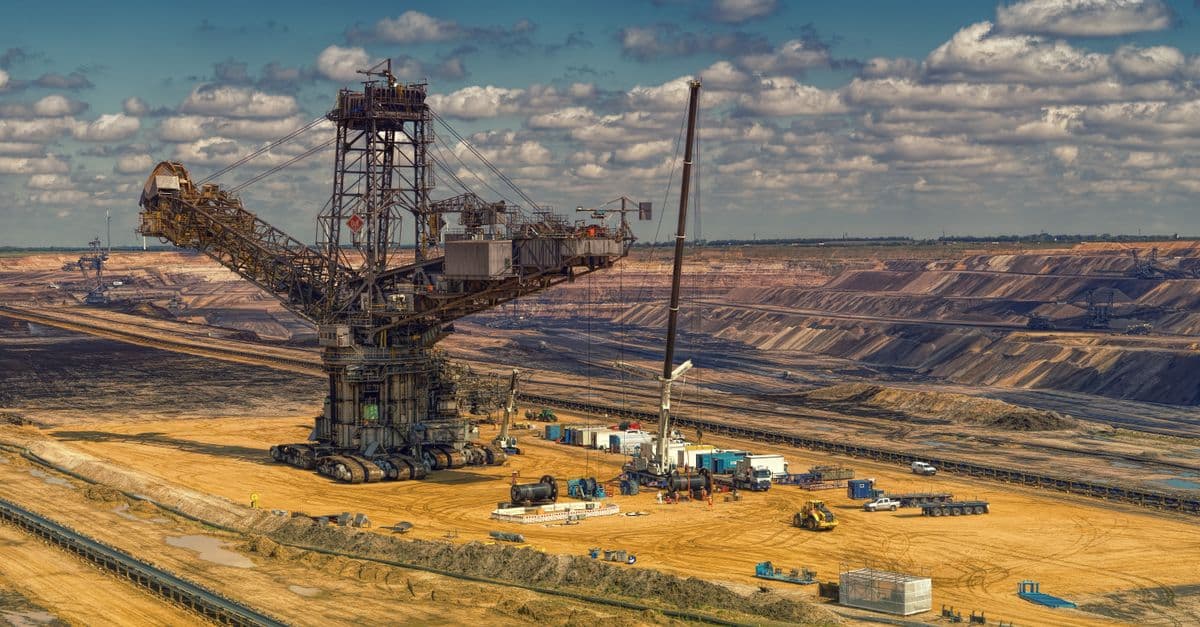
You can diagnose underperforming leaching circuits by analyzing real-time metrics (temperature, pH, solid/liquid ratio, reagent consumption, aeration) against hydrometallurgical first principles. The skill predicts how parameter changes affect metal recovery rates and reagent efficiency, then delivers systematic optimization recommendations to close performance gaps, reduce reagent waste, and accelerate circuit commissioning or troubleshooting timelines.
by jkfnc
Upload or paste real-time ventilation monitoring data—temperature readings, gas concentrations (CO₂, CH₄, O₂), airflow rates, and pressure differentials—and Claude analyzes patterns to diagnose specific problems like fan failures, duct blockages, recirculation zones, or inadequate fresh air distribution. You get a structured diagnostic report with identified root causes and prioritized corrective actions, ready to present to your team or regulatory inspectors.
by jkfnc
You can create comprehensive, evidence-based education programs tailored to low-resource development contexts, integrating equity analysis and cultural adaptation strategies from the start. Claude helps you systematically address constraints while building sustainable frameworks that align with local priorities, available resources, and proven educational outcomes. The skill guides you through stakeholder engagement, curriculum design, and monitoring systems that ensure programs remain effective and equitable across diverse learning environments.
by jkfnc
This skill guides you through the complete impact assessment lifecycle—from designing evaluation frameworks and defining metrics to collecting data and generating actionable insights. You'll develop SMART indicators, create stakeholder engagement plans, and build evidence-based reports that demonstrate program effectiveness. Whether you're evaluating social programs, corporate initiatives, or community projects, this skill helps you measure meaningful change with rigor and clarity.
by jkfnc