

HUD Design Optimization Assistant
Systematically audit and optimize game HUD designs for readability, hierarchy, and accessibility
What You Can Do
You can systematically analyze HUD mockups and live designs to identify readability issues, information hierarchy problems, performance bottlenecks, and accessibility gaps. Claude generates targeted improvement recommendations, validates design decisions against gameplay contexts, and helps you prioritize iterations based on player friction points and platform constraints.
Features
evaluate text size, contrast, font choice, and visual clutter against player comprehension during active gameplay
assess element prioritization, cognitive load, and player onboarding clarity across tutorial and endgame states
identify rendering bottlenecks, draw call inefficiencies, and optimization opportunities for target hardware specs
audit colorblind-friendly palettes, motor-impairment accommodations, and low-vision scaling across all UI elements
validate HUD safe zones, controller visibility, screen resolution scaling, and aspect ratio responsiveness
benchmark against genre-standard HUD conventions and identify differentiating design opportunities
map playtest friction points to specific HUD elements and generate prioritized fixes
structure before/after HUD evaluations to validate design improvements across all audit dimensions
Example Output
Readability Audit Result:
- Primary health bar: ✓ Sufficient contrast (4.8:1), but font size may be unreadable at 4K resolution on TV screens
- Minimap labels: ✗ 8pt font fails accessibility threshold; recommend 10-12pt minimum
- Objective markers: ✓ High visibility, but icon clarity drops below 720p
Hierarchy Issue Identified:
- Current design prioritizes secondary stats (ammunition count) before primary objective. Recommended: Relocate objective marker to top center, reduce ammo display opacity by 40%
Performance Impact:
- HUD render pass: 2.1ms at 1080p (acceptable). Dynamic health bar shader consuming 0.8ms—can optimize with simpler lerp implementation, saving ~35% on this element.
What's Included
- SKILL.md: Complete HUD optimization instruction set with audit frameworks
- HUD Readability Checklist: 15-point verification list for text hierarchy, contrast ratios, and player comprehension validation
- Accessibility Audit Template: Colorblind palette validator, motor-impairment accommodation matrix, low-vision scaling requirements
- Performance Profiling Worksheet: Draw call inventory, GPU cycle estimation, and optimization priority ranking system
- Multi-Platform Safe Zone Guide: Console, mobile, and ultrawide monitor HUD adaptation reference with aspect ratio calculations
Who It's For
- Game UI/UX designers optimizing HUD systems across genres
- Game developers managing accessibility compliance and platform adaptation
- Creative directors evaluating HUD readability and player onboarding effectiveness
- QA leads conducting playtest feedback analysis on interface clarity
- Technical artists optimizing HUD rendering performance and GPU footprint
Best For
- Early-stage HUD mockup readability audits before asset production
- Playtest friction analysis and targeted improvement prioritization
- Accessibility compliance reviews (colorblind, low-vision, motor-impairment)
- Performance bottleneck identification and GPU optimization strategies
- Multi-platform HUD adaptation (PC, console, mobile) with safe zone validation
You might also like

You can systematically design menu hierarchies and interaction flows that feel responsive and intuitive for game players. This skill helps you map complete player journeys through nested menus, define state transitions for complex scenarios (like pause-while-paused), establish consistent interaction patterns across your UI, and identify edge cases before implementation. You'll document specifications that programmers and junior designers can follow, ensuring accessible navigation that respects controller/keyboard constraints and 100ms feedback expectations.

You can map puzzle constraints across multiple difficulty dimensions—mechanical complexity, cognitive load, time pressure, and solution discovery paths—then translate subjective difficulty assessments into measurable parameters. This allows you to identify difficulty spikes before production, communicate design intent clearly to your team, and iterate on puzzle balance using playtester data and performance metrics.

You'll develop dynamic music systems using layered composition, state mapping, and parameter control. This skill teaches you to design vertical remixing (adding/removing musical layers) and horizontal sequencing (transitioning between musical sequences) based on game conditions. You'll create clear technical specifications that bridge creative composition and programmer implementation, enabling music that adapts seamlessly to player actions, environmental shifts, and gameplay intensity.

You'll convert game design briefs into comprehensive visual direction documents that guide concept artists and 3D modelers through pre-production. This skill generates aesthetic frameworks, curates style references, specifies character and environment requirements, documents technical constraints, and produces mood board descriptions—all formatted for immediate team alignment and reference during production. Instead of iterating through clarifying questions, you'll have structured documentation that translates vague creative intent into actionable visual guidelines.

You can model complex in-game economies by describing currency flows, progression curves, and monetization systems in natural language, then have Claude validate the math, simulate outcomes across player cohorts (free players, mid-tier spenders, whales), identify inflation breakpoints, and stress-test against exploits. This lets you iterate on balance rapidly without building spreadsheets, catching economy-breaking issues before they damage retention.
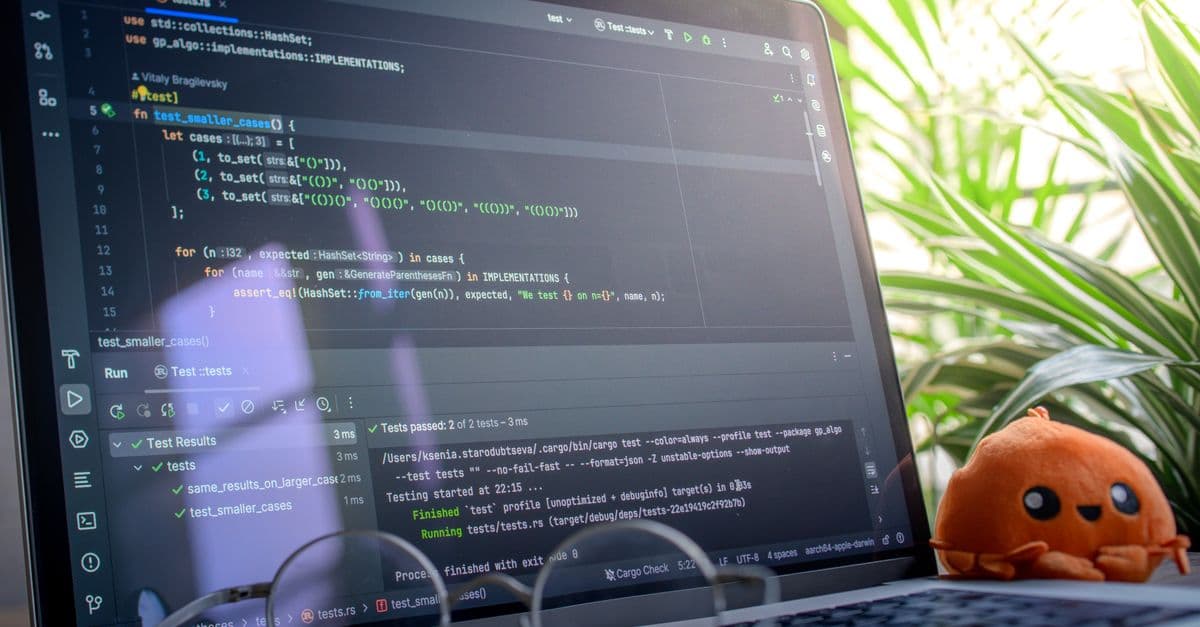
You can rapidly categorize network issues (latency vs. sync vs. bandwidth), instrument networked game systems for visibility, identify common netcode anti-patterns by their telltale signatures, generate reproducible test cases for various network conditions, debug server-client state reconciliation failures, and profile network code paths to optimize bandwidth. This skill transforms vague player reports into actionable diagnosis data that pinpoints whether desynchronization, rubber-banding, packet loss, or authority violations are the root cause.
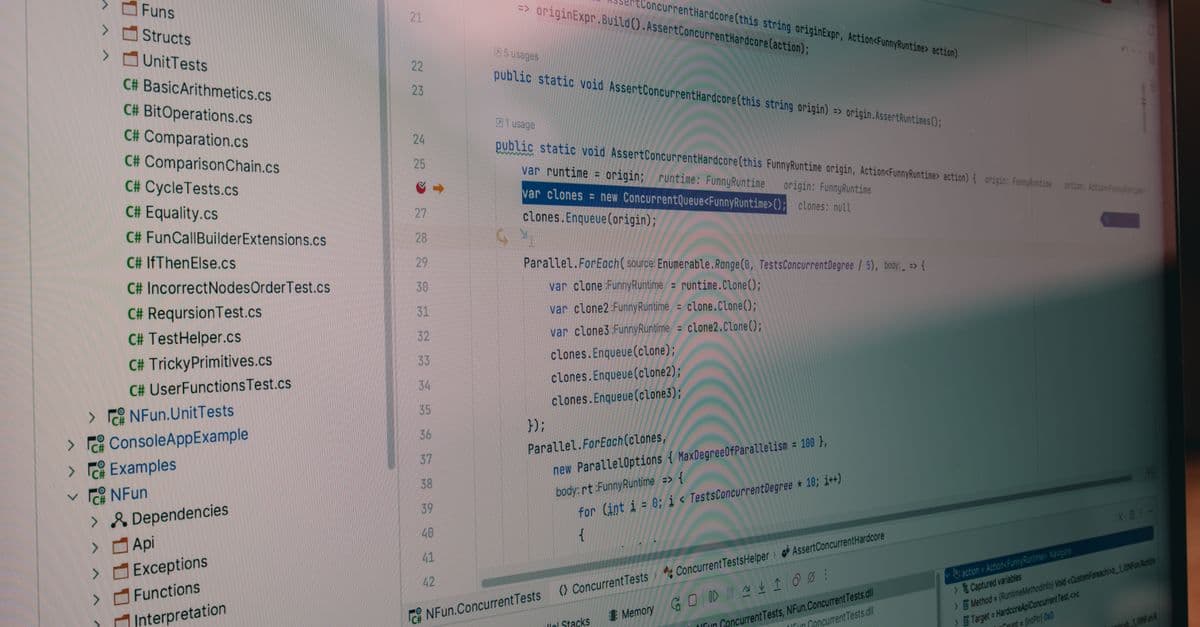
You can analyze shader compilation logs across multiple graphics APIs, automatically detect common shader errors and cross-platform compatibility issues, and receive actionable optimization recommendations for your studio's shader build infrastructure. Claude helps you identify performance regressions, validate that new shader code meets performance targets, and document compilation requirements for team onboarding—turning complex multi-API shader validation into a systematic, repeatable process.

You can deconstruct complex game environments into implementable audio layers—base drones, environmental textures, dynamic elements, and spatial effects—each with detailed technical specifications. Claude helps you generate mixing parameters (EQ, dynamics, spatial placement), map emotional intent to audio characteristics, and create ambience variation systems that respond to game state changes like time of day, weather, or player progression.