


Game Economy Balancer
Model and balance in-game economies to prevent inflation and optimize retention

What You Can Do
You can model complex in-game economies by describing currency flows, progression curves, and monetization systems in natural language, then have Claude validate the math, simulate outcomes across player cohorts (free players, mid-tier spenders, whales), identify inflation breakpoints, and stress-test against exploits. This lets you iterate on balance rapidly without building spreadsheets, catching economy-breaking issues before they damage retention.
Features
map soft/hard currency acquisition, spending patterns, and sinks to spot inflation and scarcity imbalances
model how different player segments (free, spenders, whales) experience progression and monetization pressure
validate reward pacing against time-to-grind and identify paywalls that trigger churn
calculate pricing strategies, conversion funnels, and ARPU impact from economy changes
identify resource hoarding risks and design economy drains (cosmetics, upgrades, limited purchases) that maintain scarcity
stress-test economies against player exploits, power-leveling strategies, and edge cases
evaluate economy changes by running before/after simulations and quantifying retention impact
Example Output
Example 1: Currency Balance Check
Input: "Our game has soft currency earning 100 coins/hour, costs 5000 coins for mid-tier gear. Players grind 2 hours/day. Are we creating a paywall?"
Output:
- Soft currency earning: 100 coins/hour × 2 hours/day = 200 coins/day
- Mid-tier gear cost: 5,000 coins = 25 days of grinding
- Assessment: ✓ Acceptable. Add inflation sink (weekly cosmetics at 500 coins) to prevent hoarding after 30 days
- Monetization pressure: Moderate. Premium pass could accelerate to 15 days without feeling exploitative
Example 2: Monetization Funnel Simulation
Input: "100,000 DAU. Free-to-paid conversion 5%. Average spending $8. We're adding a $4.99 battle pass. Model impact."
Output:
- Current revenue: 100K × 5% × $8 = $40K/day
- Projected conversion w/ battle pass: +2-3% (target 7-8% paid rate)
- Projected new revenue: 100K × 7.5% × ($8 + $4.99 avg battle pass adoption 40%) = ~$51K/day
- Risk: ✓ Battle pass placement. Avoid making free progression feel punitive or conversion may plateau at 6%
Example 3: Inflation Breakpoint Detection
Input: "Economy data shows players hitting 100M soft currency by day 60. We have no sinks. What happens?"
Output:
- Current sink capacity: 0 (resource hoarding infinite)
- Breakpoint: ~day 50-60, when whales stop spending (progression too easy)
- Retention risk: High. Implement weekly cosmetics (2K currency), boss rushes (5K entry), transmog (10K/item)
- Projected sink demand: 60K/week currency drain = maintains 3-4 week progression pace for endgame players
What's Included
- SKILL.md: full instructions for economy modeling, currency flow mapping, and breakpoint analysis
- Economy Template: currency types, earning/spending rates, player cohort definitions, progression checkpoints
- Monetization Simulator: conversion funnel calculation, ARPU modeling, battle pass/cosmetic pricing frameworks
- Inflation Sink Checklist: resource drain mechanics, weekly/monthly cosmetic placement, transmog/respec costs
- Stress-Test Scenarios: edge cases for whales, free players, power-levelers, and exploit-prone economies
Who It's For
- Game Economy Designers — balancing progression, monetization, and player retention
- Free-to-Play Product Managers — modeling revenue impact and conversion funnels without alienating players
- Game Designers — validating reward curves and progression pacing during design iteration
- Live Ops Specialists — stress-testing economy changes and seasonal event pricing
- Indie Game Developers — designing sustainable economies on small budgets without economist consultants
Best For
- Currency system design and rebalancing (soft/hard currency split, earning rates, sinks)
- Progression curve validation (time-to-grind, paywall detection, endgame sustainability)
- Monetization strategy modeling (battle pass pricing, cosmetic economy, ARPU forecasting)
- Inflation breakpoint analysis (identifying when resource abundance kills engagement)
- Player cohort simulation (modeling free player, mid-tier, and whale experiences across economy changes)
- Exploit stress-testing (identifying power-leveling vulnerabilities and resource duplication risks)
You might also like

You can systematically design menu hierarchies and interaction flows that feel responsive and intuitive for game players. This skill helps you map complete player journeys through nested menus, define state transitions for complex scenarios (like pause-while-paused), establish consistent interaction patterns across your UI, and identify edge cases before implementation. You'll document specifications that programmers and junior designers can follow, ensuring accessible navigation that respects controller/keyboard constraints and 100ms feedback expectations.

You'll convert game design briefs into comprehensive visual direction documents that guide concept artists and 3D modelers through pre-production. This skill generates aesthetic frameworks, curates style references, specifies character and environment requirements, documents technical constraints, and produces mood board descriptions—all formatted for immediate team alignment and reference during production. Instead of iterating through clarifying questions, you'll have structured documentation that translates vague creative intent into actionable visual guidelines.
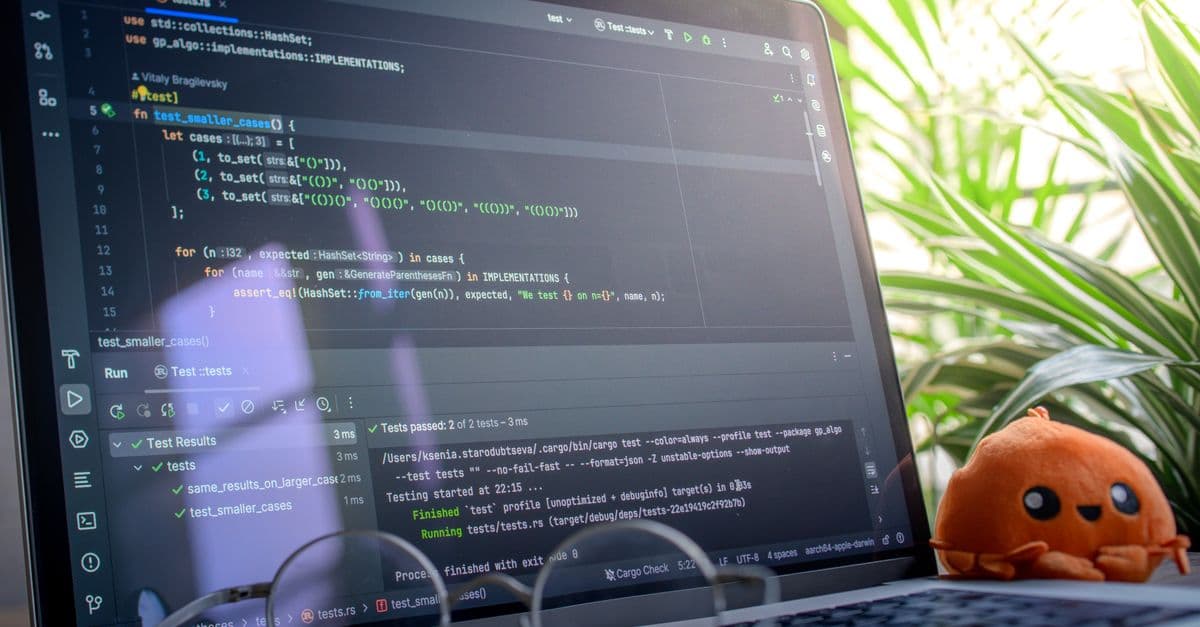
You can rapidly categorize network issues (latency vs. sync vs. bandwidth), instrument networked game systems for visibility, identify common netcode anti-patterns by their telltale signatures, generate reproducible test cases for various network conditions, debug server-client state reconciliation failures, and profile network code paths to optimize bandwidth. This skill transforms vague player reports into actionable diagnosis data that pinpoints whether desynchronization, rubber-banding, packet loss, or authority violations are the root cause.

You'll develop dynamic music systems using layered composition, state mapping, and parameter control. This skill teaches you to design vertical remixing (adding/removing musical layers) and horizontal sequencing (transitioning between musical sequences) based on game conditions. You'll create clear technical specifications that bridge creative composition and programmer implementation, enabling music that adapts seamlessly to player actions, environmental shifts, and gameplay intensity.
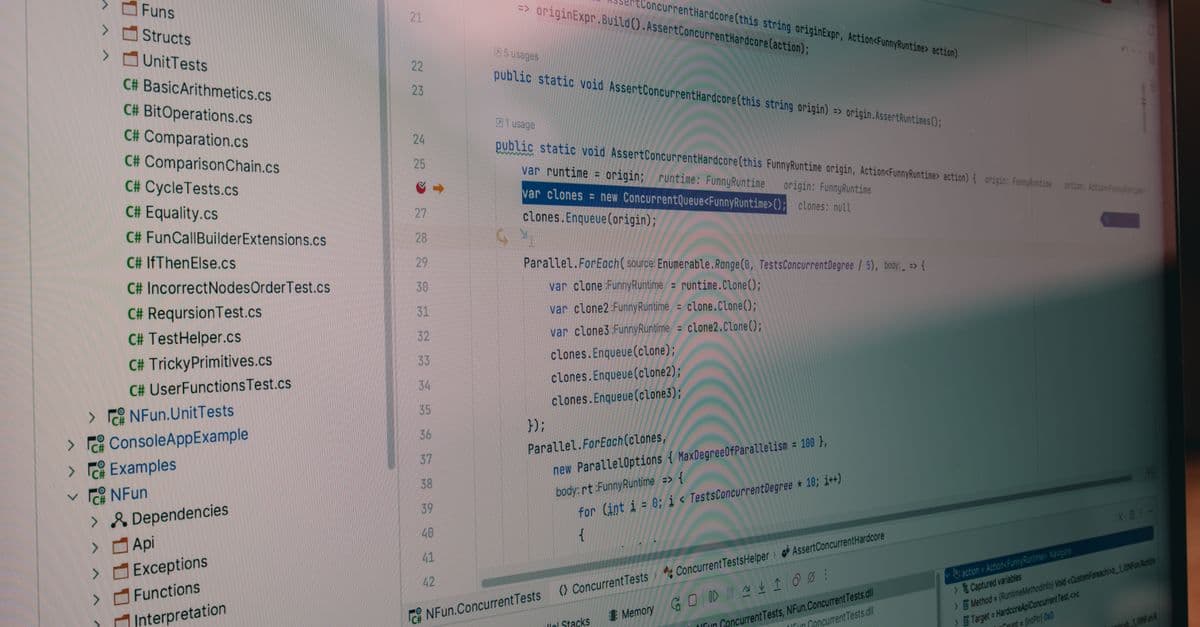
You can analyze shader compilation logs across multiple graphics APIs, automatically detect common shader errors and cross-platform compatibility issues, and receive actionable optimization recommendations for your studio's shader build infrastructure. Claude helps you identify performance regressions, validate that new shader code meets performance targets, and document compilation requirements for team onboarding—turning complex multi-API shader validation into a systematic, repeatable process.

You can conduct rigorous multiplayer balance audits by analyzing win-rate metrics, pick rates, and play-pattern data against competitive design benchmarks. The framework helps you pinpoint whether imbalance stems from hero/character design, map asymmetries, economy systems, or meta-game health—then propose prioritized, data-backed solutions that resonate with producers, engineers, and community managers.
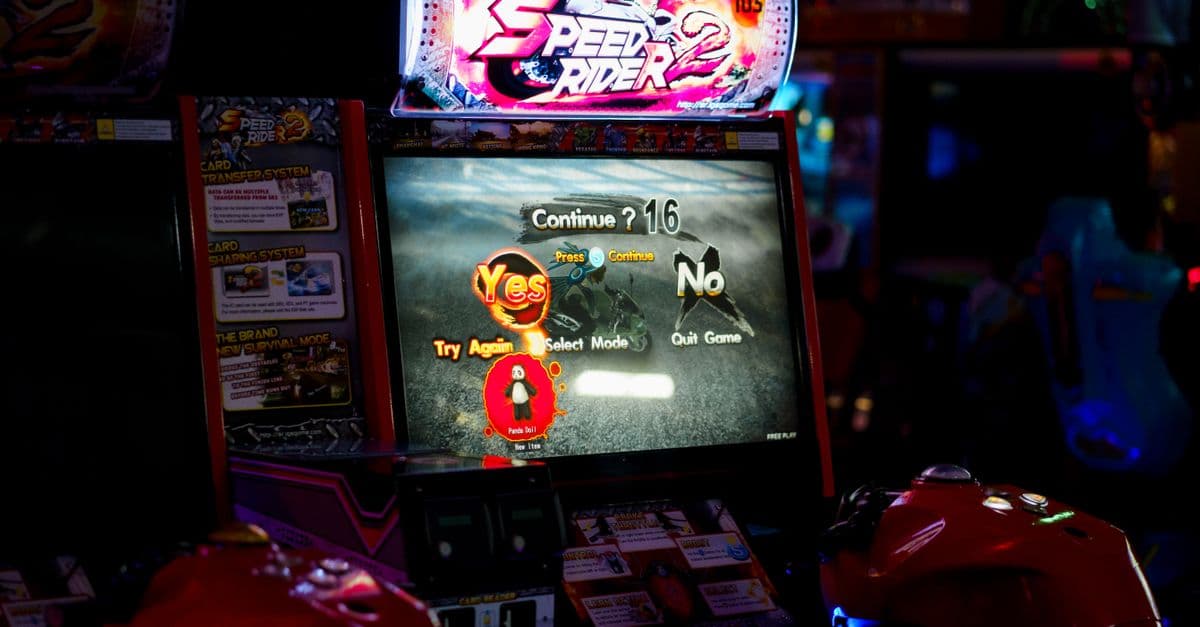
You can architect complete menu systems from first principles—mapping interaction flows, documenting state transitions, and stress-testing designs against real player behaviors. Claude helps you define controller input mappings, accessibility compliance, visual hierarchy under motion, and edge case handling (pause recovery, network latency, input conflicts), then generates interaction specifications ready for developer handoff.

You can deconstruct complex game environments into implementable audio layers—base drones, environmental textures, dynamic elements, and spatial effects—each with detailed technical specifications. Claude helps you generate mixing parameters (EQ, dynamics, spatial placement), map emotional intent to audio characteristics, and create ambience variation systems that respond to game state changes like time of day, weather, or player progression.