


Food Service Recipe Adaptation and Allergen Management
Scale recipes and manage allergens for food service operations
What You Can Do
Transform recipes for large-scale food service while tracking and managing allergens across your menu. You can quickly modify ingredient quantities, cooking times, and techniques for batch preparation, identify cross-contamination risks, and generate detailed allergen documentation for regulatory compliance. This skill helps you maintain food safety standards while serving diverse dietary needs.
Features
Convert recipes from home portions to batch quantities automatically, adjusting cooking times, temperatures, and equipment needs for food service production.
Scan ingredient lists to identify all major allergens (nuts, shellfish, dairy, gluten, etc.) and flag cross-contamination risks in your kitchen workflow.
Generate variations for common dietary restrictions: vegetarian, vegan, gluten-free, keto, and low-sodium versions of your existing recipes.
Create detailed allergen matrices and disclosure documents ready for customer menus and regulatory filing, customized by jurisdiction.
Find safe substitutions when ingredients are unavailable, maintaining nutritional balance and flavor profiles while respecting allergen constraints.
Calculate ingredient costs per serving after scaling, helping you price dishes accurately and track food cost percentages.
Break recipes into prep-ahead components you can make in advance, with storage times and reheating instructions for streamlined service.
Example Output
Recipe Scaling Example: Original: Tomato basil pasta (serves 4) requires 400g pasta, 800ml tomato sauce, 50g basil Scaled for 100 servings: 10kg pasta, 20L tomato sauce, 1.25kg fresh basil Adjusted cooking: Cook pasta in 4 batches over 45 minutes, maintain sauce at 65C
Allergen Report Example: Dish: Chicken Caesar Wrap Allergens: Gluten (croutons, wrap), Eggs (dressing), Fish (anchovies), Dairy (parmesan) Preparation Risk: Crouton bread stored 3 shelves above gluten-free wraps - RELOCATE
Vegan Adaptation Example: Original creamy mushroom risotto: Substitute butter with olive oil, parmesan with nutritional yeast, add cashew cream for richness. Cost increase: 8%. Protein difference: 2g per serving (supplement with hemp seeds).
What's Included
- Recipe analysis system: Structured templates for capturing original recipes, portion sizes, ingredients, allergens, and cooking techniques.
- Scaling methodology: Step-by-step guidance for proportional scaling, equipment adaptations, and timing adjustments specific to food service volume.
- Allergen database: Pre-loaded common ingredients and their allergen profiles, plus methods to add custom ingredients specific to your suppliers.
- Compliance templates: FDA, HACCP, and state-specific allergen disclosure formats ready for menu printing and customer communication.
- Modification framework: Guidelines for vegetarian, vegan, gluten-free, keto, and religious dietary adaptations with flavor and nutrition balancing.
Who It's For
- Culinary directors and head chefs
- Food service managers and operations leads
- Catering business owners
- Dietary and allergen compliance specialists
- School and institutional food service supervisors
Best For
- Scaling recipes from restaurant portions to large batch production
- Creating allergen disclosure menus and regulatory documentation
- Developing dietary modifications for existing dishes
- Identifying cross-contamination risks and kitchen reorganization
- Calculating food costs and pricing after recipe adaptation
You might also like

Create evidence-based acupuncture treatment plans that synthesize Traditional Chinese Medicine diagnostics with Western medical findings and patient history. You'll generate customized protocols with specific point recommendations, patient education materials, and professional clinical documentation ready for patient handoff and insurance submission.
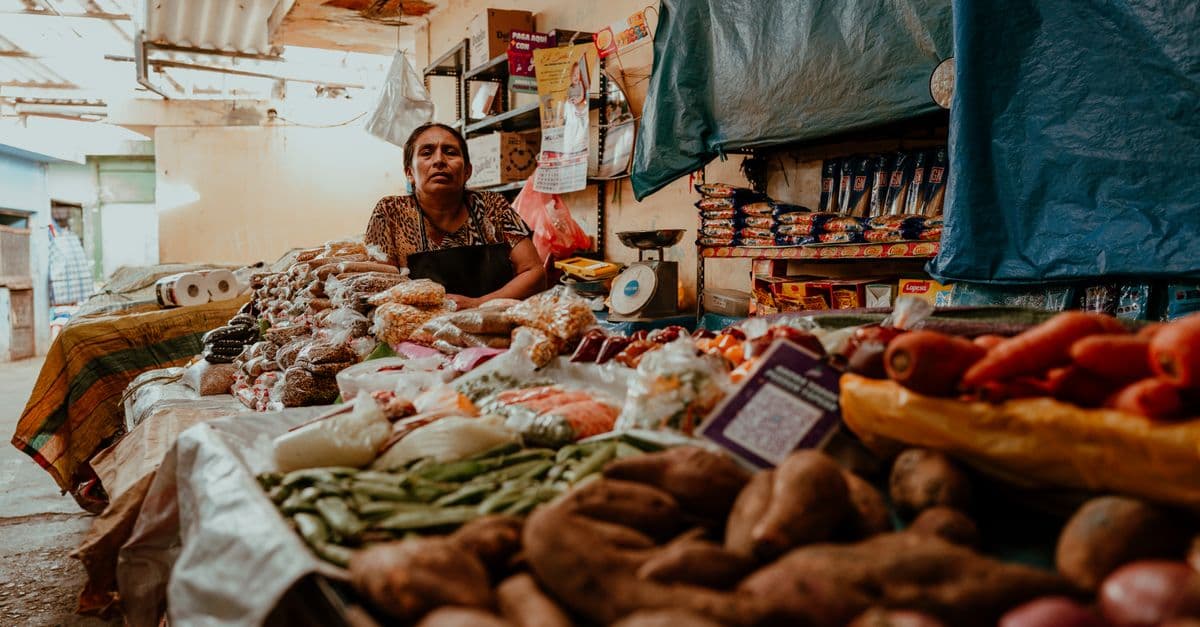
Create evidence-based, tailored nutrition programs that meet the specific needs of your target population and community setting. You'll develop culturally appropriate curricula, implementation roadmaps, and evaluation frameworks that address food access barriers, health disparities, and local preferences. The skill generates actionable program designs ready for pilot testing or full-scale rollout.

You develop structured acupuncture treatment plans by conducting thorough TCM assessments and selecting evidence-informed point protocols tailored to each patient's pain presentation and constitution. Claude helps you differentiate syndromes, sequence treatments, personalize protocols based on patient factors, and document clinical progress systematically. This ensures consistent, high-quality treatment planning that integrates traditional principles with modern clinical practice.

Create comprehensive, clinically-sound patient care protocols that seamlessly combine conventional diagnostics with herbal, nutritional, and lifestyle interventions. You receive structured protocols with evidence citations, safety considerations, patient education components, and monitoring frameworks tailored to specific health conditions or patient populations.
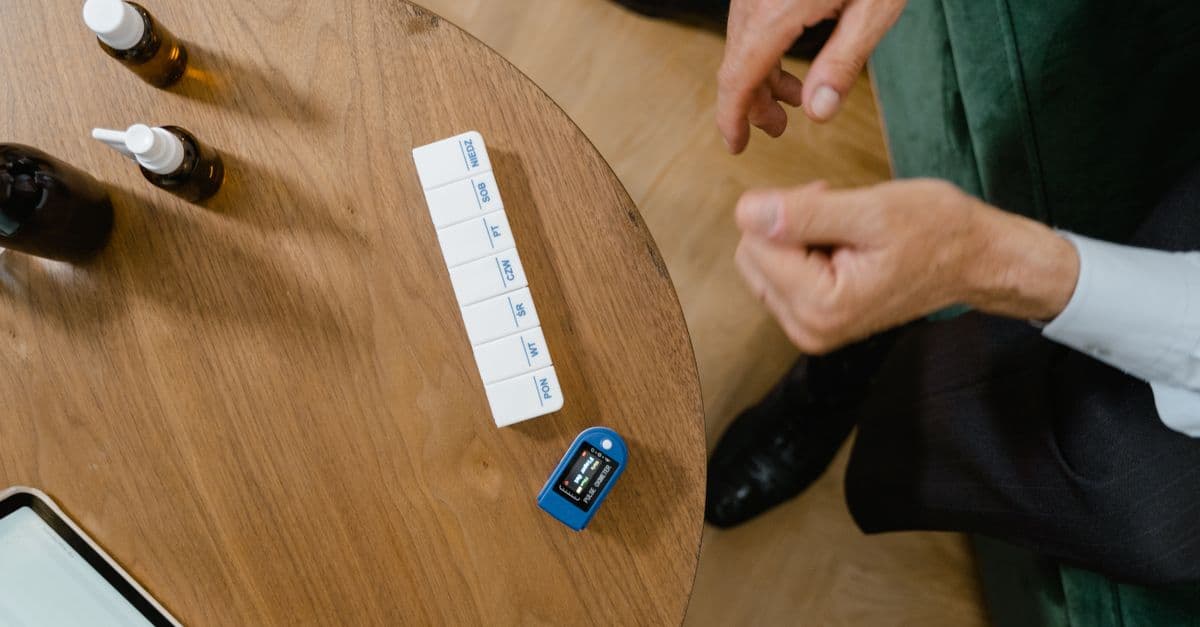
Create comprehensive, evidence-based care plans tailored to individual patient profiles, complete with disease-specific education materials and behavior-change interventions. Generate actionable coaching scripts, progress tracking tools, and patient-ready resources that support medication adherence, lifestyle modification, and self-management skills for chronic conditions.

Design comprehensive, periodized nutrition programs that adapt to your athletes' training phases, competition schedules, and sport-specific demands. You'll synchronize macronutrient ratios, micronutrient timing, and hydration protocols with periodized training blocks to optimize performance across preparation, peak, and recovery phases. The skill analyzes athlete profiles, training structure, and competition calendars to generate actionable nutrition protocols grounded in sports science.
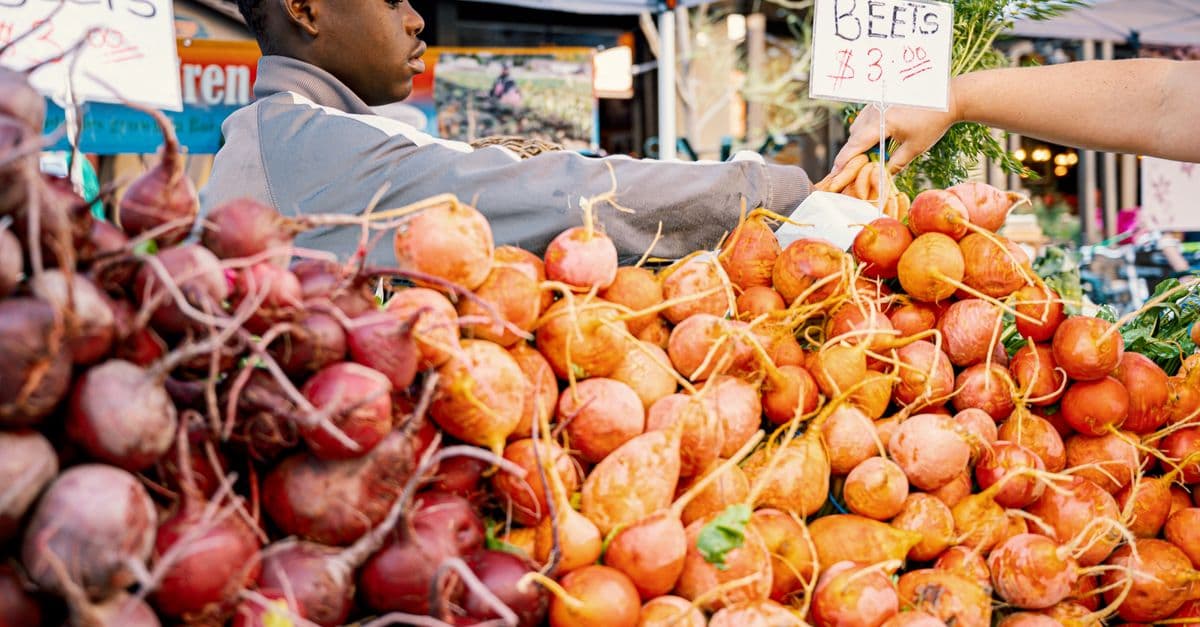
Create comprehensive, evidence-based nutrition programs that respect cultural preferences, address health disparities, and engage community stakeholders. You'll develop implementation plans complete with budgets, timelines, educational materials, and evaluation metrics that ensure your program achieves measurable health outcomes while building community buy-in and long-term sustainability.

Generate comprehensive, personalized wellness plans tailored to individual client health profiles, goals, and lifestyles. You provide client information and Claude creates detailed, evidence-based plans including nutrition protocols, exercise routines, behavioral strategies, and progress tracking tools. Plans are customized for remote delivery with built-in accountability and monitoring mechanisms.