

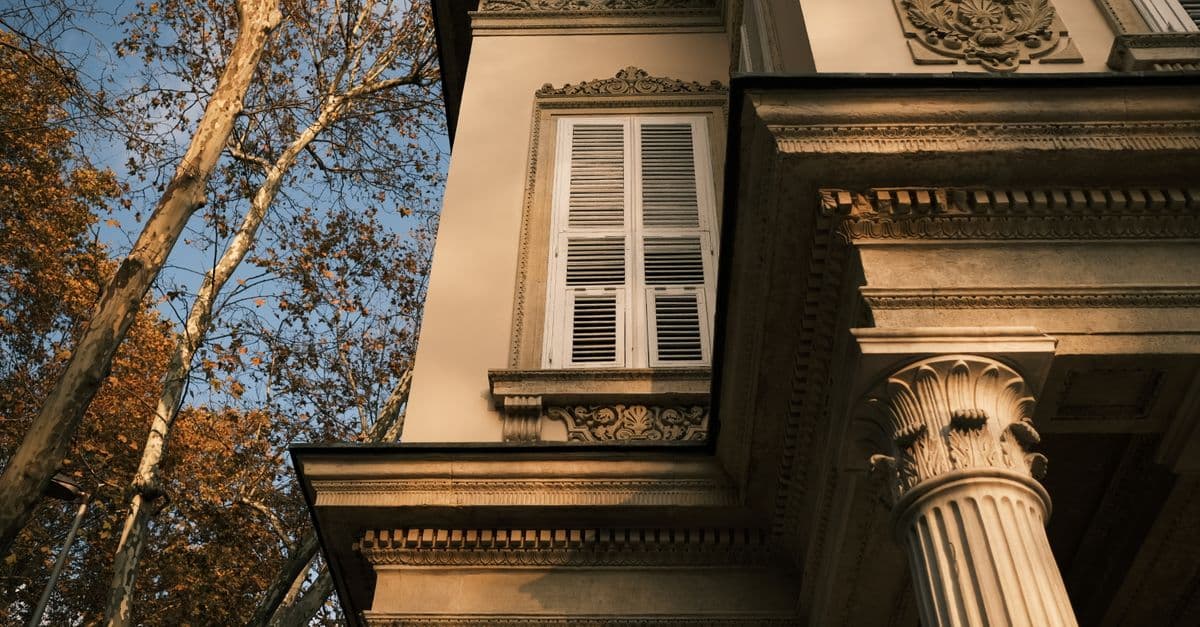
Facade Restoration Assessment & Specification
Evaluate facade deterioration and generate heritage-compliant restoration specifications
What You Can Do
You can conduct comprehensive facade deterioration assessments that integrate field investigation data, material testing results, and conservation standards into actionable restoration strategies. This skill helps you evaluate restoration alternatives—from in-situ repair to phased replacement—while navigating conflicts between heritage preservation guidelines (ASTM D6844, NPS standards) and modern building codes. You'll generate detailed specifications that address complex facade systems (masonry, stone, terra cotta, metal composites) and support cost estimation with material and method alternatives.
Features
Systematically evaluate facade deterioration using standardized assessment criteria and document remaining service life
Identify root causes (moisture intrusion, thermal cycling, environmental stressors) and predict progression patterns
Incorporate petrography, mortar analysis, and moisture monitoring data into restoration decisions
Compare repair, replacement, and envelope redesign options with cost and performance trade-offs
Cross-reference preservation standards (NPS Briefs, ASTM guidelines) with site-specific conservation requirements
Produce detailed remediation plans with material specifications, method sequences, and quality acceptance criteria
Develop staged restoration strategies that prioritize critical deterioration while managing budget constraints
Example Output
Example 1: Historic Masonry Facade Assessment
- Condition Summary: 40% mortar loss in lower courses; minor spalling on 15% of ashlar blocks; biological growth in shaded areas
- Root Causes: Incompatible modern repointing mortar (1970s); rising damp from failed base flashing
- Recommended Strategy: Staged repointing using NHL 3.5 lime mortar (lime:sand 1:2.5 to match historic composition); replace base flashing; chemical cleaning followed by water repellent application
- Cost Estimate Range: $145–$195/sq ft depending on access scaffolding
Example 2: Terra Cotta Facade Deterioration Report
- Issues Identified: Spalling glaze on 25% of units; internal corrosion in steel anchors (rust staining visible); failed sealant joints allowing water ingress
- Material Testing Results: Petrography confirms original clay body is sound; anchor corrosion rate ~2mm/year if water exposure continues
- Restoration Plan: Selective unit replacement (estimated 120 units); stainless steel anchor upgrades; joint re-sealing with flexible polyurethane
- Compliance Notes: Design maintains historic character per Secretary of Interior Standards; modern sealant meets ASTM C920 performance
Example 3: Modern Stone Cladding Analysis
- Moisture Intrusion Detected: Capillary action through stone joints; thermal bridges at shelf angle connections
- Testing Data: Moisture readings 8–12% in cavity; efflorescence on interior stone faces
- Remediation Specification: Install hydrophobic membrane behind stone; repoint with flexible mortar (sag class A); add weep holes every 16 inches; upgrade shelf angle flashing detail with through-wall flashing
- Implementation Timeline: 6-month phased approach to avoid full facade closure
What's Included
- SKILL.md instruction file: Complete assessment framework and restoration specification protocols
- Condition Rating Checklist: Standardized deterioration assessment matrix with severity thresholds and service life estimation
- Deterioration Mechanism Matrix: Decision tree linking observed conditions to root causes and remediation strategies
- Heritage Compliance Cross-Reference: Quick lookup table mapping NPS Preservation Briefs and ASTM standards to specification requirements
- Restoration Specification Template: Material, method, and quality acceptance criteria sections pre-populated for common facade systems
Who It's For
- Facade engineers and restoration consultants — Conducting condition assessments and producing owner/contractor specifications
- Historic preservation architects — Evaluating heritage facades under conservation easements or designation constraints
- Building envelope specialists — Diagnosing moisture intrusion and specifying remedial waterproofing strategies
- Facilities managers — Prioritizing facade maintenance and budgeting multi-year restoration programs
- Structural engineers — Assessing facade-to-building connections and load path integrity during deterioration analysis
Best For
- Masonry and stone facade repointing specifications and historic mortar analysis
- Terra cotta and ceramic cladding deterioration assessment with anchor corrosion evaluation
- Moisture intrusion diagnosis and remedial waterproofing design
- Heritage compliance documentation and preservation standard cross-referencing
- Multi-phase restoration planning with cost estimates and construction sequencing
- Material testing integration (petrography, mortar analysis, moisture monitoring) into restoration decisions
You might also like
You can map thermal bridge locations in building envelopes, quantify their effect on overall facade thermal performance (U-value degradation), assess condensation formation risk through surface temperature analysis, and develop detailed mitigation strategies aligned with energy codes and construction feasibility. Claude helps you bridge the gap between idealized thermal calculations and actual building performance by integrating linear and point thermal transmittance into energy models.
 by aharstad91
You can generate complete environmental noise impact assessments (NIAs) that characterize baseline conditions, identify noise sources, map sensitive receptors, interpret predictive modeling outputs, and evaluate compliance against EPA guidelines, OSHA standards, and local ordinances. The framework guides you through cumulative impact analysis and helps you develop technically defensible mitigation recommendations that balance regulatory requirements with project feasibility and budget constraints.
by aharstad91
You can systematically evaluate room acoustic conditions by calculating reverberation times (RT60) using Sabine formulas, identifying problem frequencies and room modes, analyzing absorption material performance across frequency ranges, and generating detailed acoustic treatment specifications with scientific justification. The skill produces professional-grade acoustic solutions tailored to your space constraints, budget, and performance targets while maintaining compliance with standards like ISO 3382 and ASTM C423.
by aharstad91
You can rapidly evaluate smoke control system designs by calculating required pressurization differentials, airflow requirements, and fan capacity specifications. The skill validates compliance against NFPA 92, IBC Chapter 9, and local amendments while analyzing integration points with HVAC and fire alarm systems. It identifies design gaps, suggests optimization opportunities, and generates technical documentation to support the full design lifecycle from concept through commissioning.
by aharstad91
You can input architectural parameters, environmental data, and code requirements to automatically calculate simultaneous loads on glass assemblies, determine minimum glass thickness and support specifications, and generate glazing schedules and stress reports. This eliminates manual load case combinations and identifies design conflicts before fabrication, ensuring compliance with building codes and reducing engineering rework.
by aharstad91
You can systematically evaluate auditorium acoustic performance by inputting measured data (impulse response, RT60, speech intelligibility metrics) or simulation results, then receive detailed analysis identifying specific frequency-dependent problems, quantified deviations from ISO 3382 and AES standards, and prioritized remediation strategies. Claude cross-references your data against performance benchmarks and generates technical justifications suitable for architect presentations, client reports, and construction specifications.
by aharstad91
You can rapidly assess solar geometry, estimate daylight factors and illuminance levels, compare aperture configurations, and identify seasonal performance variations across building orientations. Claude synthesizes complex solar data to help you validate daylighting strategies, reconcile competing performance goals, and communicate quantified design rationale to stakeholders—accelerating design development from concept through optimization.
by aharstad91
You'll build complete PayPal payment workflows that handle transactions, refunds, and subscriptions with production-ready error handling. This skill walks you through REST API authentication, webhook configuration, and debugging common payment issues so your integration handles real-world scenarios.
by aharstad91