


Concept Art Visual Brief Generator
Generate visual briefs and mood boards for game concept art projects
What You Can Do
This skill streamlines the creation of detailed visual briefs and mood board frameworks for game concept art projects by systematizing art direction, establishing visual languages, identifying reference categories, and documenting design constraints. You'll compress pre-production planning—typically 15-25% of project timeline—by synthesizing aesthetic requirements, codifying style parameters, and generating reference frameworks that guide both internal iteration cycles and cross-team alignment with stakeholders.
Features
creates structured art direction documents with mood, tone, and aesthetic parameters specific to characters, environments, or props
identifies and categorizes visual references by style, era, mood, and compositional approach to guide artist research
organizes visual themes, color palettes, silhouettes, and atmospheric qualities into actionable frameworks
codifies artistic constraints, acceptable deviation ranges, and signature visual elements across design systems
generates stakeholder-ready briefs that communicate design intent and maintain consistency across distributed art teams
documents artistic direction shifts across production phases with rationale and impact analysis
prepares comprehensive style guides and constraint documents for contracted or external concept artists
produces rapid-reference documents that accelerate new artist context transfer and reduce ramp-up time
Example Output
Visual Brief Output Example:
Project: Post-Apocalyptic Urban Settlement Characters
Mood & Tone: Weathered resilience, salvage-punk aesthetic, muted earth tones with accent metallics
Reference Categories:
- Color Palette: Rust tones (#8B4513, #A0522D), concrete grays (#696969, #808080), survival-orange accents (#FF6B35)
- Silhouette Language: Angular, asymmetrical proportions; visible worn fabric layers; repurposed armor elements
- Material Study: Weathered leather, oxidized metal, faded synthetic textiles, aged plastics
- Lighting Context: Overcast/golden-hour ambient; dramatic shadows from industrial structures
Design Constraints:
- Max 3-4 primary color areas per character (palette cohesion)
- Visible aging/wear on 40-60% of surface area
- Asymmetrical design preferred (left-right balance avoids uniformity)
Mood Board Elements: 5 reference images spanning salvage fashion, post-industrial environments, weathered material textures, survival gear configurations
What's Included
- SKILL.md instruction file with complete skill documentation:
- Visual Brief Template: structured markdown template with mood, aesthetic parameters, reference categories, and design constraints sections
- Mood Board Framework: organizational structure for color palettes, silhouettes, material studies, and atmospheric qualities
- Reference Categorization Checklist: systematic approach to identifying and organizing visual references by style, era, mood, and compositional qualities
- Design Direction Questionnaire: pre-brief questions to clarify artistic vision, project scope, and stakeholder expectations before generation
- Style Guide Outline: framework for converting visual briefs into comprehensive style guides for outsourced or distributed teams
Who It's For
- Game concept artists — establishing clear visual direction and reference frameworks before production
- Art directors and leads — communicating design vision across distributed teams and managing visual consistency
- Game producers — preparing comprehensive briefs for stakeholder reviews and project planning
- Studio onboarding coordinators — accelerating context transfer and reducing ramp-up time for new artists
- Outsource coordinators — creating detailed style guides and constraint packages for contracted concept work
Best For
- Launching new game projects or expanding art scope with clear directional documentation
- Establishing visual identity for character, environment, or prop design systems
- Creating mood board frameworks that guide iteration cycles across art teams
- Transitioning between game engines or art styles while maintaining consistency
- Preparing comprehensive art briefs for client reviews and stakeholder alignment
You might also like

You can systematically design menu hierarchies and interaction flows that feel responsive and intuitive for game players. This skill helps you map complete player journeys through nested menus, define state transitions for complex scenarios (like pause-while-paused), establish consistent interaction patterns across your UI, and identify edge cases before implementation. You'll document specifications that programmers and junior designers can follow, ensuring accessible navigation that respects controller/keyboard constraints and 100ms feedback expectations.

You'll convert game design briefs into comprehensive visual direction documents that guide concept artists and 3D modelers through pre-production. This skill generates aesthetic frameworks, curates style references, specifies character and environment requirements, documents technical constraints, and produces mood board descriptions—all formatted for immediate team alignment and reference during production. Instead of iterating through clarifying questions, you'll have structured documentation that translates vague creative intent into actionable visual guidelines.
You can rapidly categorize network issues (latency vs. sync vs. bandwidth), instrument networked game systems for visibility, identify common netcode anti-patterns by their telltale signatures, generate reproducible test cases for various network conditions, debug server-client state reconciliation failures, and profile network code paths to optimize bandwidth. This skill transforms vague player reports into actionable diagnosis data that pinpoints whether desynchronization, rubber-banding, packet loss, or authority violations are the root cause.

You'll develop dynamic music systems using layered composition, state mapping, and parameter control. This skill teaches you to design vertical remixing (adding/removing musical layers) and horizontal sequencing (transitioning between musical sequences) based on game conditions. You'll create clear technical specifications that bridge creative composition and programmer implementation, enabling music that adapts seamlessly to player actions, environmental shifts, and gameplay intensity.
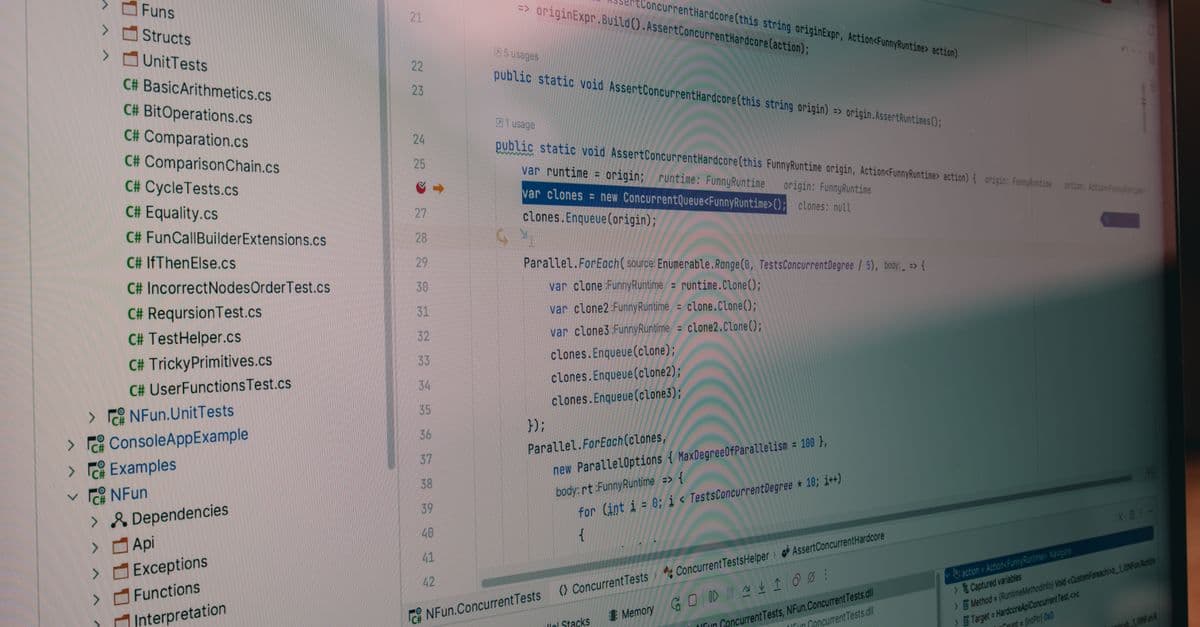
You can analyze shader compilation logs across multiple graphics APIs, automatically detect common shader errors and cross-platform compatibility issues, and receive actionable optimization recommendations for your studio's shader build infrastructure. Claude helps you identify performance regressions, validate that new shader code meets performance targets, and document compilation requirements for team onboarding—turning complex multi-API shader validation into a systematic, repeatable process.

You can conduct rigorous multiplayer balance audits by analyzing win-rate metrics, pick rates, and play-pattern data against competitive design benchmarks. The framework helps you pinpoint whether imbalance stems from hero/character design, map asymmetries, economy systems, or meta-game health—then propose prioritized, data-backed solutions that resonate with producers, engineers, and community managers.

You can architect complete menu systems from first principles—mapping interaction flows, documenting state transitions, and stress-testing designs against real player behaviors. Claude helps you define controller input mappings, accessibility compliance, visual hierarchy under motion, and edge case handling (pause recovery, network latency, input conflicts), then generates interaction specifications ready for developer handoff.

You can model complex in-game economies by describing currency flows, progression curves, and monetization systems in natural language, then have Claude validate the math, simulate outcomes across player cohorts (free players, mid-tier spenders, whales), identify inflation breakpoints, and stress-test against exploits. This lets you iterate on balance rapidly without building spreadsheets, catching economy-breaking issues before they damage retention.