

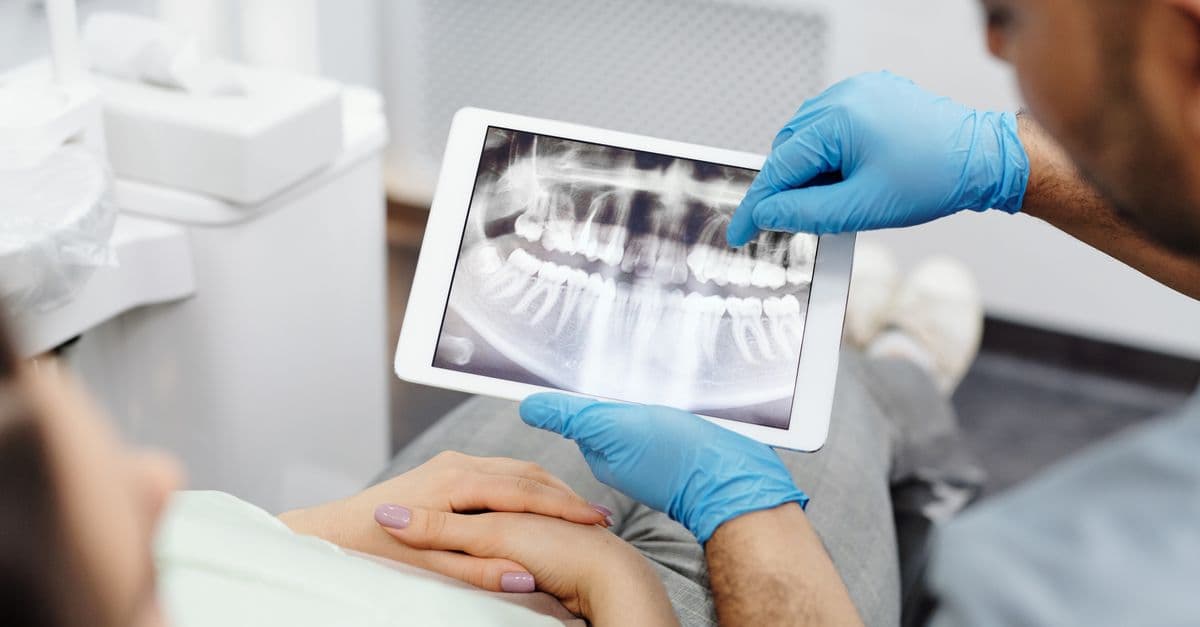
Pediatric Growth Prediction & Treatment Planning
Predict pediatric skeletal growth and optimize orthodontic treatment timing
What You Can Do
You can systematically analyze a child's growth stage using clinical indicators like age, hand-wrist radiographs, cervical vertebral maturation, and dental development to predict growth trajectory and recommend appropriate intervention windows. This skill helps you determine whether to pursue early interceptive treatment or defer comprehensive therapy, select growth-responsive appliances that leverage favorable growth patterns, and communicate realistic timelines and outcomes to parents based on skeletal and dental maturation.
Features
Evaluate skeletal maturity using cervical vertebral maturation (CVM) and hand-wrist radiograph indicators to identify peak growth periods
Determine optimal windows for interceptive Phase 1 therapy versus comprehensive Phase 2 fixed appliances based on growth velocity
Match growth-friendly mechanics (functional, palatal expanders, headgear) to patient's growth stage and skeletal pattern
Predict correction potential for Class II/III and vertical problems based on remaining growth available
Design Phase 1 protocols targeting anterior crossbite, severe crowding, or skeletal foundations before permanent dentition
Translate growth data into realistic timeline expectations and treatment prognosis for informed consent
Systematize clinical findings (age, eruption stage, overjet, overbite, skeletal pattern) for treatment planning decisions
Example Output
Example 1: Early Intervention Candidate Patient: 8-year-old with Class II Division 1, anterior open bite, low mandibular plane angle
- Skeletal maturity: CVM Stage 2 (accelerating phase ahead)
- Growth potential: 6-8 mm forward mandibular growth predicted
- Recommendation: Initiate Phase 1 with anterior bite plate + lower lingual arch to manage open bite and prepare for Phase 2 in 2-3 years when permanent molars erupt and growth moderates
Example 2: Defer Treatment Patient: 7-year-old with Class II Division 2, normal vertical dimension, normal facial proportions
- Skeletal maturity: CVM Stage 1 (early growth period)
- Growth potential: Favorable forward mandibular growth expected over next 4-5 years
- Recommendation: Observe; plan comprehensive Phase 2 at age 11-12 (CVM 4) after mandibular growth completes and permanent canines erupt
Example 3: Growth-Friendly Mechanics Patient: 9-year-old with Class II Division 1, backward mandible, no anterior crossbite
- Skeletal maturity: CVM Stage 3 (peak growth phase)
- Growth potential: Moderate forward mandibular growth expected
- Recommendation: Functional appliance (Twin Block, Herbst) to optimize forward mandibular growth; plan transition to Phase 2 fixed appliances at age 12-13 after growth phase completes
What's Included
- SKILL.md instruction file: Complete protocol for pediatric growth assessment and treatment planning decisions
- Clinical data collection form: Template capturing age, CVM stage, hand-wrist findings, dental eruption status, overjet/overbite, and skeletal pattern
- Growth prediction framework: Skeletal maturity staging guide and growth velocity assessment by CVM stage
- Interceptive treatment protocols: Phase 1 treatment options matched to specific malocclusions (anterior crossbite, Class II, open bite, crowding)
- Parent communication checklist: Key talking points for explaining growth expectations and treatment timeline to families
Who It's For
- Pediatric orthodontists — Systematize growth assessment and treatment timing decisions for mixed dentition patients
- General dentists with orthodontic focus — Plan early interventions and identify patients needing specialist referral for Phase 2
- Dental therapists and hygienists — Recognize growth stages and guide patient/parent education about treatment timing
- Orthodontic treatment coordinators — Document growth findings and communicate realistic treatment phases to families
Best For
- Mixed dentition malocclusion assessment (ages 6-14)
- Deciding between interceptive Phase 1 and comprehensive Phase 2 timing
- Selecting growth-responsive appliances (functional, expanders, headgear)
- Predicting skeletal correction potential for Class II/III and vertical discrepancies
- Parent/patient communication about treatment timelines and expected outcomes
- Documenting clinical reasoning for early intervention versus observation decisions
You might also like

You systematically develop comprehensive denture case plans by analyzing patient presentation data, classifying denture types, sequencing treatment phases, and generating detailed fabrication specifications. The skill guides you through material selection, esthetic requirement documentation, and clinical intent capture—producing standardized documentation that ensures your laboratory partner understands your clinical vision and reduces remake cycles.
 by comeonoliver
You can systematically develop phase-by-phase orthodontic treatment protocols that synthesize diagnostic data, patient anatomy, and mechanical principles. This skill generates detailed appliance selection recommendations, extraction vs. non-extraction analyses, wire progression sequences, and clinical milestones to guide efficient execution from initial placement through retention for complex malocclusions requiring three-dimensional control.
by comeonoliver
You can input detailed case information—including patient history, radiographic findings, clinical examination results, and anatomical considerations—and receive a comprehensive treatment analysis. The skill generates structured case summaries, identifies critical diagnostic elements, evaluates treatment options (conventional endodontic, surgical, or extraction), and produces documentation-ready prognosis assessments that support clinical decision-making and patient communication.
by comeonoliver
Stop bleeding money on forgotten subscriptions and negotiable expenses. This skill systematically dissects your spending, exposes hidden patterns you've overlooked, and generates a prioritized action plan that typically uncovers $2,000-$8,000+ in annual savings. You'll get specific negotiation templates, insider tips for lowering bills, and a complete expense audit that tells you exactly where your money is really going.
by comeonoliver
You can generate complete treatment plans for traditional fixed appliance cases by integrating diagnostic data, skeletal/dental analysis, and biomechanical principles. Claude helps you structure extraction vs. non-extraction decisions, design anchorage control strategies, sequence mechanics systematically, and create patient-facing narratives that explain your clinical rationale. This skill is designed for moderate-to-complex cases where defensible clinical reasoning and treatment efficiency optimization are critical.
by comeonoliver
You can comprehensively analyze failed root canal cases to pinpoint why initial treatment didn't succeed—whether due to technical errors, anatomical challenges, or biological factors. Claude helps you develop systematic retreatment protocols, document clinical decision-making for peer review and medicolegal protection, and create patient-facing explanations of treatment failure mechanisms.
by comeonoliver
You can transform patient presentations into evidence-based crown and bridge treatment plans that account for clinical factors (tooth anatomy, bone support, opposing dentition), patient variables (budget, esthetics, longevity), and laboratory requirements. The skill guides systematic case analysis, material and design selection, treatment sequencing decisions, and generates patient-ready documentation to support informed consent and case acceptance.
by comeonoliver
You can systematically evaluate patients with severe skeletal discrepancies and develop coordinated surgical treatment plans that integrate cephalometric analysis, surgical movement simulation, and patient communication strategies. This skill structures the entire pre-operative planning process—from baseline skeletal assessment through surgical consultation readiness—ensuring precise documentation and clear coordination with maxillofacial surgery partners.
by comeonoliver