

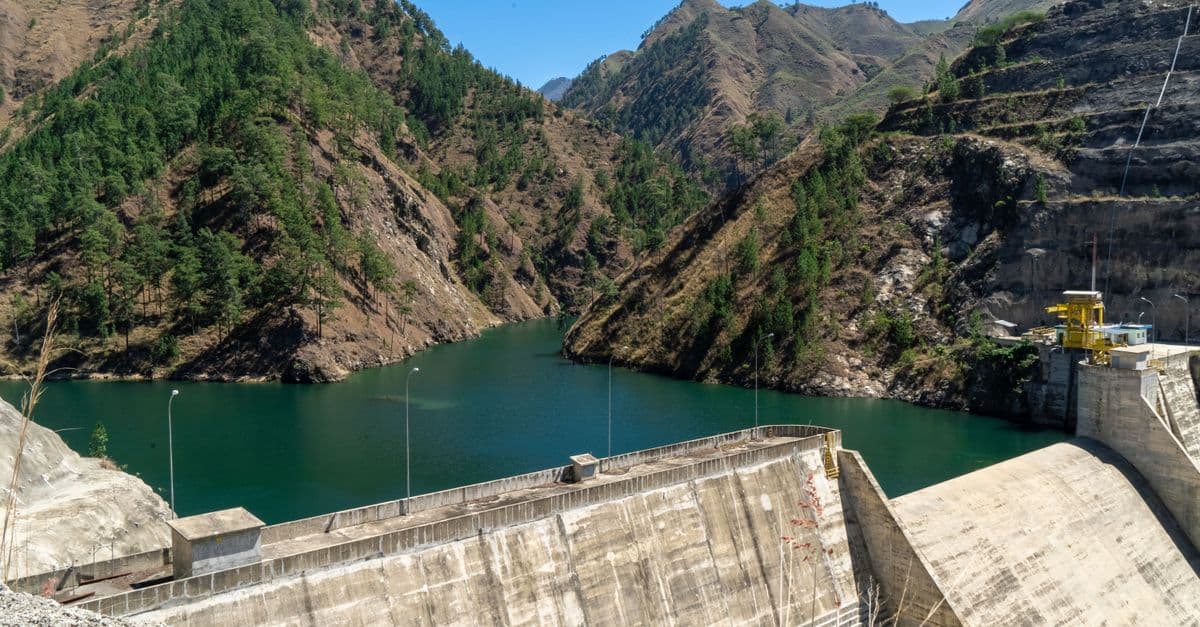
Slope Stability Analysis Framework
Analyze slope stability using limit equilibrium methods and geotechnical data
What You Can Do
You can conduct rigorous slope stability assessments using limit equilibrium methods that synthesize field data, soil parameters, and hydrogeological conditions. The framework guides you through failure mode identification, factor of safety calculations, and stabilization measure evaluation—ensuring your analysis matches project risk levels and regulatory requirements for permanent and temporary slopes.
Features
choose appropriate analysis methods (infinite slope, wedge, circular arc, or Spencer) based on slope geometry and failure mechanisms
compute FS values for multiple failure surfaces and compare against regulatory and project-specific safety thresholds
systematically incorporate borehole logs, lab test results, groundwater conditions, and in-situ measurements into your analysis
identify and evaluate plausible failure surfaces (circular, planar, composite) and distinguish between preliminary screening and design-level rigor
generate defensible conclusions with clear assumptions, soil property sources, and uncertainty discussion for regulatory submissions
assess mitigation strategies (slope geometry, drainage, reinforcement, retaining structures) and their impact on stability
account for pore pressure distributions, seasonal groundwater fluctuations, and seepage forces in your calculations
Example Output
Example 1: Cut Slope Assessment
Input: 25 ft cut slope in silty clay (φ = 28°, c = 400 psf), GWT at 8 ft below crest, borehole data showing 6 ft of fill over native soil
Output:
- Infinite slope analysis: FS = 1.8 (dry conditions)
- Circular slip surface analysis: FS = 1.45 (saturated GWT at crest)
- Critical failure surface depth: 18 ft below crest
- Recommendation: Slope acceptable for temporary conditions (FS > 1.3); recommend subdrain for permanent slope (target FS > 1.5)
Example 2: Embankment Design
Input: 40 ft high dam embankment (compacted clay, γd = 120 pcf, φ = 32°, cu = 800 psf), reservoir at full pool elevation, upstream slope 3H:1V
Output:
- Upstream slope steady-state seepage: FS = 1.62
- Rapid drawdown condition: FS = 1.38
- Downstream slope: FS = 2.1
- Stabilization: Upstream filter drain required to achieve FS > 1.4 during rapid drawdown
What's Included
- SLOPE_STABILITY_ANALYSIS_FRAMEWORK.md: complete instruction file with methodology, assumptions, and documentation requirements
- Limit Equilibrium Method Selection Matrix: decision tool for choosing analysis approach based on soil type and failure mechanism
- Factor of Safety Calculation Template: spreadsheet-ready format for infinite slope, wedge, and circular arc methods
- Field Data Integration Checklist: systematic workflow for synthesizing borehole logs, lab results, and hydrogeological data
- Slope Stability Report Outline: structure for regulatory-defensible conclusions with assumptions and uncertainty discussion
Who It's For
- Geotechnical engineers evaluating natural or cut slopes for highways, development, and mining projects
- Dam and embankment designers assessing long-term stability under steady-state and transient conditions
- Geotechnical consultants investigating slope failures and recommending remediation measures
- Site engineers reviewing slope stability baseline reports for regulatory submissions and construction permits
- Forensic engineers documenting slope failure mechanics for litigation and design modification
Best For
- Preliminary and final stability assessments of soil slopes under static loading conditions
- Factor of safety calculations comparing multiple failure surfaces and hydrogeological scenarios
- Field data synthesis integrating boreholes, lab testing, and groundwater conditions into quantitative analysis
- Stabilization measure evaluation (drainage, slope geometry, reinforcement) and their impact on safety factors
- Regulatory-defensible documentation of slope stability conclusions with clear assumptions and uncertainty disclosure
You might also like

Query your local Screenpipe instance to retrieve screen recordings, audio transcriptions, UI element accessibility trees, keyboard/mouse input logs, and productivity analytics. You can search by keywords, filter by content type (audio, OCR, accessibility, input), set time ranges, and extract structured data about your applications, meetings, and work sessions without sending data to external servers.
 by az9713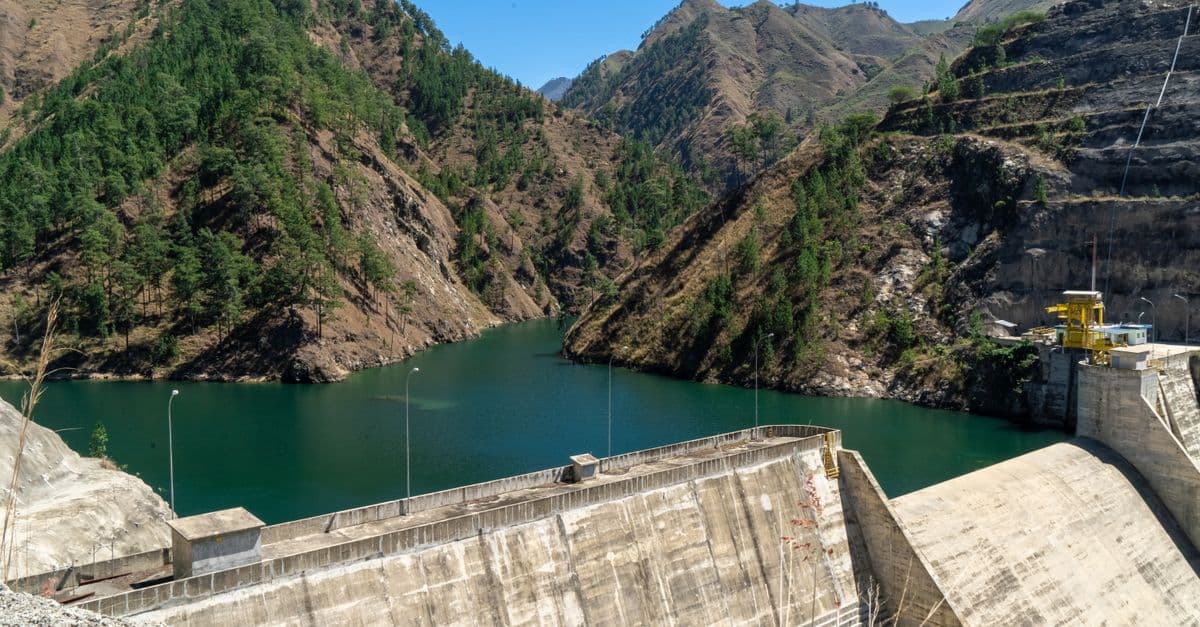
You can conduct comprehensive slope stability analyses that integrate site characterization, soil/rock properties, and quantitative calculations to evaluate both simple and complex slope geometries. The framework helps you identify critical failure mechanisms, calculate safety factors, assess groundwater and seismic effects, and develop technically defensible remediation recommendations suitable for permitting, design decisions, and stakeholder communication.
by az9713
You can systematically design test cases for any feature or system by analyzing requirements or code to extract test parameters, values, and business constraints. The skill generates a PICT model, executes pairwise testing logic to minimize test case count while maximizing coverage, and delivers a formatted test matrix with expected results—reducing manual test design effort while ensuring comprehensive scenario coverage.
by az9713
This skill deconstructs your writing samples to identify the specific patterns, personality markers, emotional range, language quirks, and formatting habits that make your voice uniquely yours. You'll receive a detailed voice DNA profile that includes your core communication style, signature phrases, emotional tone, formality level, and what you actively avoid—creating a blueprint that AI systems can use to replicate your authentic voice consistently across projects, platforms, and content types.
by az9713
You can decompose complex timber structures into analyzable load paths, trace forces from applied loads through members to supports, and calculate governing demands for each structural element. This skill helps you identify critical design points, apply appropriate load factors and duration adjustments, and create defensible design documentation that satisfies code officials and peer reviewers.
by az9713
You can compare building materials across embodied carbon, water usage, recyclability, supply chain impacts, and lifecycle costs—all grounded in industry standards like EN 15804 and ISO 14040/44. This skill transforms material selection from intuition-based guessing into data-driven specification, producing analysis outputs ready for client presentations, value engineering discussions, and regulatory compliance documentation.
by az9713
You can audit BIM models across five critical domains: geometric accuracy and LOD consistency, information requirements and metadata, coordinate systems and project setup, element naming and classification standards, and documentation completeness. This skill generates detailed compliance reports that identify every gap and provide specific remediation guidance, enabling you to enforce consistent standards across projects, reduce rework, and ensure models are ready for handoff to downstream disciplines or coordination workflows.
by az9713
You can accelerate HVAC design workflows by inputting building parameters—envelope characteristics, occupancy data, climate conditions, and existing systems—and receiving calculated heating/cooling loads, equipment sizing recommendations, and zone-by-zone analysis. Claude organizes complex building data into actionable design parameters and specification summaries for client review, permit submission, and professional validation against ASHRAE and ACCA standards.
by az9713