

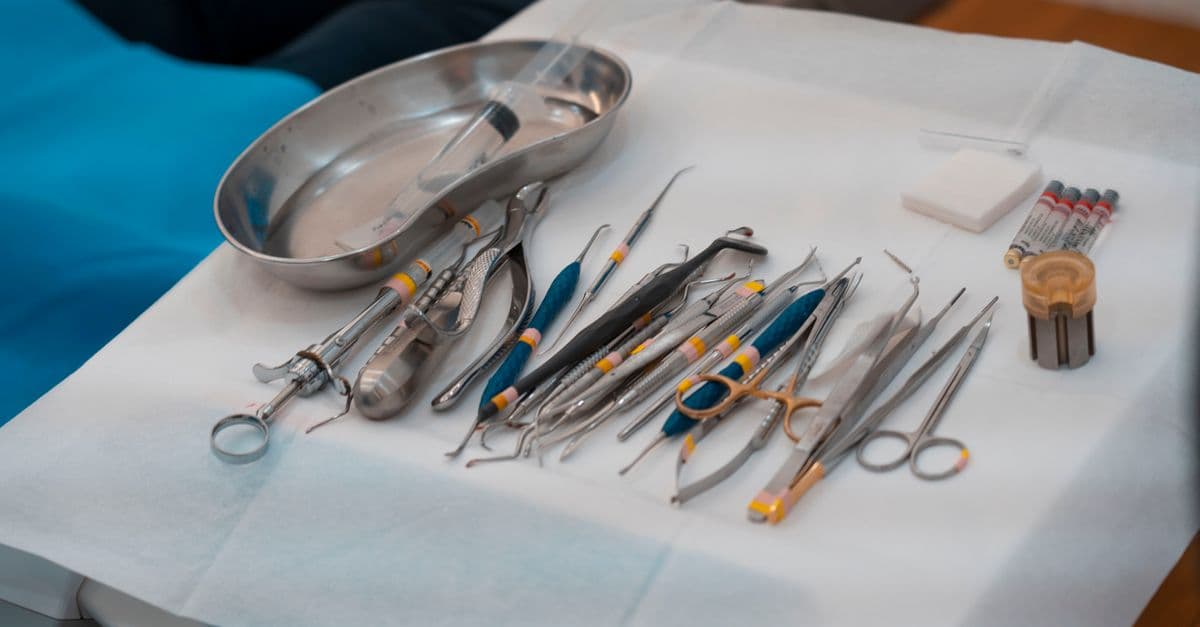
Extraction Case Planning Assistant
Systematically plan extraction cases with anatomical risk assessment and surgical protocols
What You Can Do
This skill transforms clinical patient data into structured pre-operative extraction plans by systematically assessing anatomical complexity, stratifying impaction severity, identifying anatomical hazards, and generating evidence-based surgical protocols tailored to individual cases. You'll produce documented operative plans that improve case stratification, reduce operative time variability, support informed consent conversations, and create defensible clinical records for simple through complex extractions.
Features
Systematically evaluate proximity of extraction site to inferior alveolar canal, lingual plate, maxillary sinus, and adjacent tooth roots with documented risk stratification
Categorize impaction depth (submucosal, intraosseous, full osseous) and angulation (mesial, distal, vertical, horizontal) using radiographic data
Assign case difficulty levels and operative time estimates based on anatomical, radiographic, and patient factors to guide surgeon assignment
Create step-by-step operative approaches including flap design, bone removal strategy, tooth sectioning, and closure recommendations
Adjust protocols for medical comorbidities, medications, bone density, age, and renal/hepatic function with anesthesia and antibiotic considerations
Generate patient-facing and clinical summaries of risks (nerve injury, sinus involvement, dry socket) with incidence rates for consent conversations
Develop structured case summaries for educational use with learning objectives, anatomical pearls, and complications encountered
Example Output
Example 1: Impacted Maxillary Canine
CASE COMPLEXITY: Moderate
- Impaction Type: Intraosseous, vertical orientation, 8mm from alveolar crest
- Critical Anatomy: Proximity to lateral incisor root (2mm), nasal floor (3mm)
- Surgical Approach: Limited vestibular flap, bone removal over occlusal surface, careful elevation to preserve lateral incisor vitality
- Estimated Time: 35–45 minutes
- Key Risks: Lateral incisor damage (5%), alveolar bone resorption, nasal floor perforation (2%)
Example 2: Impacted Mandibular Third Molar
CASE COMPLEXITY: High
- Impaction Type: Intraosseous, mesial angulation, IAN at 4mm distance
- Lingual Plate Status: Intact, 3mm thickness
- Surgical Approach: Extended surgical flap, distal bone removal first, careful lingual flap protection, tooth sectioning (coronal and root separation), closure with resorbable suture
- Estimated Time: 50–75 minutes
- Anesthesia: Infiltration + IAN block, consider deeper sedation given complexity
- Key Risks: Inferior alveolar nerve paresthesia (3–5%), lingual nerve injury (1%), dry socket (15–20%), postoperative swelling
Example 3: Multi-tooth Extraction (Medically Complex Patient)
CASE COMPLEXITY: High (Medical Complexity Modifier)
- Patient Factors: Type 2 diabetes (HbA1c 7.8%), on warfarin, age 68
- Extractions Planned: #5, #12, #20, #28 (surgical removal indicated)
- Protocol Modifications: Antibiotics (clindamycin 600mg 1hr pre-op), warfarin dosing review with PCP, extended operative time allocation (90 min), gentle bone handling, careful hemostasis, resorbable sutures preferred
- Post-op: Chlorhexidine rinses (0.12%) starting day 5, no NSAIDs (warfarin interaction), acetaminophen preferred
What's Included
- SKILL.md: Complete skill instruction file with use cases and decision logic
- Extraction Case Planning Template: Structured form for radiographic assessment, anatomical documentation, impaction classification, and protocol generation
- Impaction Classification Checklist: Quick-reference matrix for depth, angulation, and position assessment
- Surgical Protocol Framework: Step-by-step operative approach templates for simple, moderate, and complex extractions
- Anatomical Risk Reference Guide: Evidence-based risk percentages, critical anatomy thresholds, and nerve proximity management strategies
Who It's For
- Oral and maxillofacial surgeons — Planning surgical extractions and stratifying case complexity for operative scheduling
- Surgical residents and fellows — Learning systematic case evaluation and protocol development with documented clinical reasoning
- General dentists with extraction privileges — Assessing anatomical risk for cases appropriate for chairside vs. surgical referral
- Dental anesthesiologists — Determining anesthesia depth and operative time estimates for multi-tooth and complex cases
- Dental educators — Creating structured teaching cases with documented complexity and learning objectives for student training
Best For
- Pre-operative planning for impacted third molars and canines with anatomical risk assessment
- Multi-tooth surgical extractions in medically complex patients requiring protocol modifications
- Case stratification and difficulty assignment for surgical scheduling and resident case selection
- Informed consent documentation with patient-specific risk communication and incidence data
- Resident and student education with structured case presentations and operative pearls
You might also like

You systematically develop comprehensive denture case plans by analyzing patient presentation data, classifying denture types, sequencing treatment phases, and generating detailed fabrication specifications. The skill guides you through material selection, esthetic requirement documentation, and clinical intent capture—producing standardized documentation that ensures your laboratory partner understands your clinical vision and reduces remake cycles.
 by comeonoliver
You can systematically develop phase-by-phase orthodontic treatment protocols that synthesize diagnostic data, patient anatomy, and mechanical principles. This skill generates detailed appliance selection recommendations, extraction vs. non-extraction analyses, wire progression sequences, and clinical milestones to guide efficient execution from initial placement through retention for complex malocclusions requiring three-dimensional control.
by comeonoliver
You can input detailed case information—including patient history, radiographic findings, clinical examination results, and anatomical considerations—and receive a comprehensive treatment analysis. The skill generates structured case summaries, identifies critical diagnostic elements, evaluates treatment options (conventional endodontic, surgical, or extraction), and produces documentation-ready prognosis assessments that support clinical decision-making and patient communication.
by comeonoliver
Stop bleeding money on forgotten subscriptions and negotiable expenses. This skill systematically dissects your spending, exposes hidden patterns you've overlooked, and generates a prioritized action plan that typically uncovers $2,000-$8,000+ in annual savings. You'll get specific negotiation templates, insider tips for lowering bills, and a complete expense audit that tells you exactly where your money is really going.
by comeonoliver
You can generate complete treatment plans for traditional fixed appliance cases by integrating diagnostic data, skeletal/dental analysis, and biomechanical principles. Claude helps you structure extraction vs. non-extraction decisions, design anchorage control strategies, sequence mechanics systematically, and create patient-facing narratives that explain your clinical rationale. This skill is designed for moderate-to-complex cases where defensible clinical reasoning and treatment efficiency optimization are critical.
by comeonoliver
You can comprehensively analyze failed root canal cases to pinpoint why initial treatment didn't succeed—whether due to technical errors, anatomical challenges, or biological factors. Claude helps you develop systematic retreatment protocols, document clinical decision-making for peer review and medicolegal protection, and create patient-facing explanations of treatment failure mechanisms.
by comeonoliver
You can transform patient presentations into evidence-based crown and bridge treatment plans that account for clinical factors (tooth anatomy, bone support, opposing dentition), patient variables (budget, esthetics, longevity), and laboratory requirements. The skill guides systematic case analysis, material and design selection, treatment sequencing decisions, and generates patient-ready documentation to support informed consent and case acceptance.
by comeonoliver
You can systematically evaluate patients with severe skeletal discrepancies and develop coordinated surgical treatment plans that integrate cephalometric analysis, surgical movement simulation, and patient communication strategies. This skill structures the entire pre-operative planning process—from baseline skeletal assessment through surgical consultation readiness—ensuring precise documentation and clear coordination with maxillofacial surgery partners.
by comeonoliver