


EIS Impact Assessment Analyzer
Analyze environmental impacts and build defensible EIS documentation following NEPA standards

What You Can Do
This skill guides you through comprehensive environmental impact analysis using NEPA's analytical framework. You can evaluate direct, indirect, and cumulative effects across multiple resource categories (air quality, water resources, wildlife, cultural resources, socioeconomics), develop defensible mitigation measure hierarchies using the avoidance-minimization-compensation approach, and structure complex impact analyses across thousands of pages of EIS documentation while ensuring internal consistency and regulatory defensibility.
Features
organize direct, indirect, and cumulative environmental effects across resource categories following 40 CFR § 1508.27 criteria
structure avoidance, minimization, and compensation measures with clear connections to specific resource impacts
evaluate whether project impacts rise to regulatory thresholds using NEPA significance criteria
systematically compare environmental consequences across proposed action and alternatives
track how mitigation measures in one resource area affect multiple other resource categories
organize and respond to significant comments during NEPA review periods with supporting analysis
integrate regional or statewide baseline conditions into project-specific impact analysis
identify contradictions and gaps across Affected Environment and Environmental Consequences sections
Example Output
Impact Analysis Output Example:
Resource: Water Resources — Surface Water Quality
Impact: Construction-phase sedimentation from 12-acre grading area will increase turbidity in Willow Creek (downstream 2 miles) from baseline 45 NTU to estimated 120 NTU during storm events, exceedingstate standards (100 NTU max).
Mitigation Hierarchy:
- Avoidance: Reduce grading footprint by 3 acres through design modification (reduces impact area 25%)
- Minimization: Install sediment basins with 24-hour settlement time; erosion control blankets on slopes >15%
- Compensation: Establish riparian buffer restoration (8 acres) downstream to improve long-term water quality
Significance Determination: Impacts to water quality are temporary (18 months) and addressable through standard erosion control. With mitigation, residual impacts are minor. Not significant.
Interdependency: Mitigation benefits multiple resources—riparian restoration improves fish habitat (wildlife), provides cultural resource buffer for tribal sites, and enhances recreational aesthetics.
What's Included
- SKILL.md instruction file with NEPA analytical framework and decision trees:
- EIS Impact Analysis Template: structured worksheet for direct/indirect/cumulative effects by resource category
- Mitigation Hierarchy Checklist: avoidance-minimization-compensation framework with examples for 8+ resource types
- Impact Significance Matrix: NEPA 40 CFR § 1508.27 criteria mapped to specific resource impact scenarios
- Public Comment Response Organizer: framework for categorizing and responding to significant comments with supporting analysis
- Affected Environment/Consequences Outline: section-by-section template ensuring consistency and completeness
Who It's For
- Environmental planners preparing federal or state-mandated Environmental Impact Statements
- Urban/regional planners evaluating project alternatives under NEPA requirements
- Infrastructure project managers responsible for EIS documentation and regulatory compliance
- Environmental consultants supporting client organizations through NEPA review processes
- Government agency staff reviewing and commenting on draft EIS documents
Best For
- Drafting Affected Environment and Environmental Consequences sections of comprehensive EIS documents
- Developing defensible mitigation measure hierarchies that withstand public and agency review
- Analyzing complex interdependencies between project actions and multiple resource impacts
- Responding to significant public comments during NEPA comment periods with supporting analysis
- Assessing impact significance under 40 CFR § 1508.27 criteria and determining NEPA adequacy
You might also like
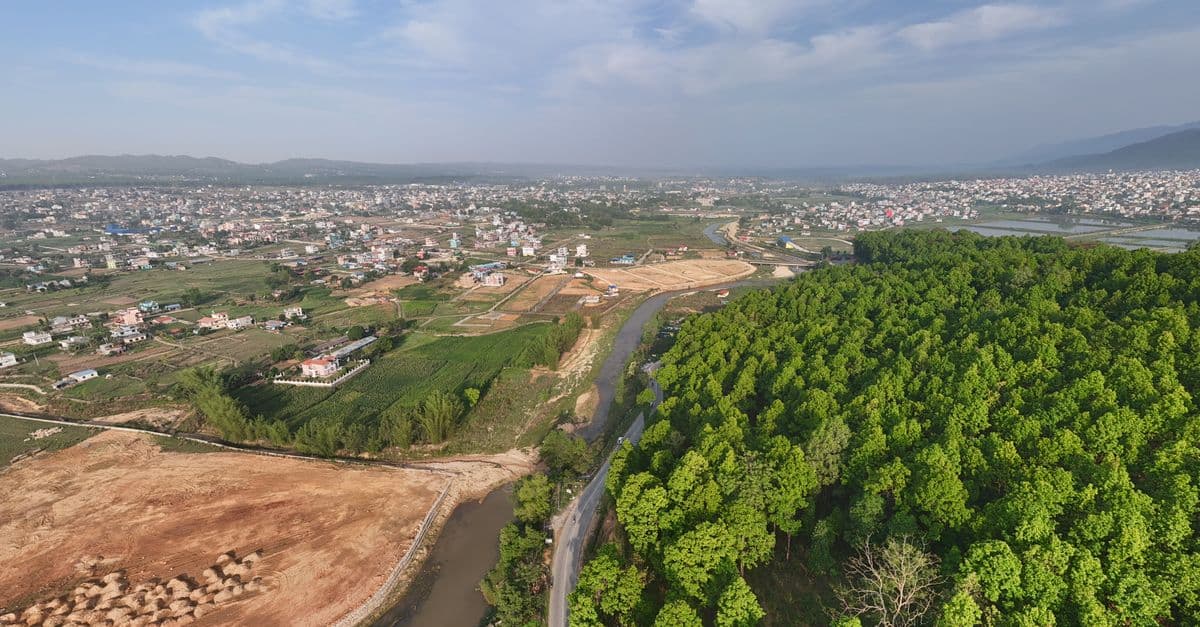
You can conduct comprehensive land use compatibility assessments that identify vertical and horizontal conflicts between proposed developments and surrounding uses. The skill helps you evaluate zoning compliance, assess adjacency impacts, document regulatory alignment, and develop evidence-based mitigation strategies that withstand planning commission and city council scrutiny.

Conduct rigorous corridor-level capacity assessments that balance competing modal demands within constrained right-of-way. You analyze existing conditions across all transportation modes, identify true capacity constraints versus perceived limitations, and generate defensible recommendations for modal reallocation—all grounded in traffic engineering principles, transit operations data, and urban design standards. This skill moves beyond single-mode optimization to deliver integrated corridor function recommendations that stakeholders can act upon.

You can synthesize coastal datasets (tide gauges, LIDAR, bathymetry, historical shorelines) to quantify erosion trends and sea-level rise impacts. Claude builds deterministic and probabilistic inundation projections, assesses infrastructure vulnerability, and translates technical analysis into policy-relevant findings that satisfy state coastal zone management and NEPA/CEQA compliance requirements for development approvals and adaptation investments.

This skill structures the variance analysis process to ensure consistency, reduce bias, and create audit trails that justify approvals or denials based on established legal standards. You'll generate comprehensive reports that document substantial difficulty claims, unique circumstances, hardship justifications, and condition frameworks that withstand administrative review and potential legal challenge.
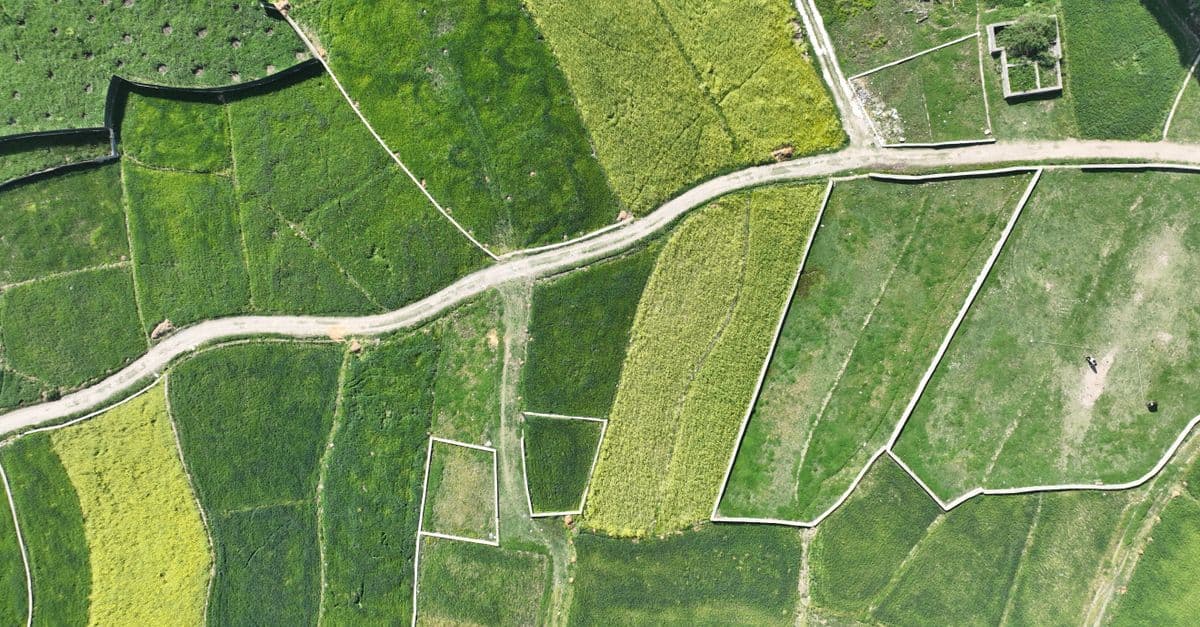
You can systematically design spatial analysis workflows that integrate vector data (zoning boundaries, infrastructure networks, parcel geometries) with raster datasets (elevation models, land use classifications, accessibility surfaces). The skill provides validation protocols to identify data resolution conflicts, projection misalignments, overlay logic errors, and output specification issues before analysis execution. You'll communicate complete analysis specifications to technical teams and stakeholders with confidence that the workflow methodology is sound.

This skill structures your conditional use permit analysis to ensure legally defensible findings and consistent decision-making across your jurisdiction. You'll evaluate applications against specific approval criteria, identify required mitigations and conditions with justifiable nexus to impacts, and generate comprehensive staff reports that document your discretionary reasoning and withstand appeals.

You can identify slow spatial queries, analyze PostGIS execution plans, design optimal spatial indexes (GIST, BRIN, SP-GIST), and restructure database schemas for efficient land use analysis, zoning verification, and infrastructure mapping. This skill helps you troubleshoot why intersection queries timeout, optimize buffer operations on large feature classes, and accelerate web mapping service delivery without requiring application code changes.

Transform violation complaints and site inspection data into standardized, defensible enforcement documentation. You can rapidly assess violation severity, establish reasonable remediation timelines, prioritize enforcement actions across multiple violations, and generate compliance agreements that protect jurisdictional authority. The skill structures your analysis to create documentation suitable for both negotiated compliance and formal enforcement proceedings.