


Designing Equitable Community Wellness Programs
Build equitable wellness programs with culturally-responsive frameworks
What You Can Do
Design community wellness programs that center equity and cultural responsiveness while ensuring measurable health outcomes. You can assess program needs, develop implementation strategies aligned with health equity principles, and create evaluation frameworks that track both reach and impact across different populations. This skill helps you identify barriers to access, design inclusive interventions, and measure success in ways that matter to your communities.
Features
Evaluate existing or proposed programs for equity gaps, cultural responsiveness, and accessibility across age groups, socioeconomic status, language access, and disability inclusion
Develop wellness initiatives grounded in community values, traditions, and lived experiences rather than one-size-fits-all approaches
Identify concrete barriers to participation such as transportation, cost, stigma, and language, then co-design solutions with community stakeholders
Create clear logic models showing inputs, activities, outputs, and outcomes for wellness programs with equity as a core component
Design evaluation plans that track health outcomes, equity indicators, community satisfaction, and unintended consequences
Generate phased implementation plans with timelines, resource requirements, and strategies for building community trust and participation
Develop budget strategies that allocate resources fairly across program components and prioritize underserved populations
Example Output
Example 1: Equity Gap Analysis
For your existing diabetes prevention program, you receive:
- Participation gap: 85% of participants are white, 8% Latino, 7% Black (vs. community demographics of 60% white, 25% Latino, 15% Black)
- Barriers identified: Evening classes conflict with lower-wage work schedules, $150 upfront fee, materials only in English
- Recommended actions: Offer sliding-scale fees, hire bilingual facilitators, schedule afternoon sessions, partner with community health workers for outreach
- Success metrics: Track enrollment by race and ethnicity, cost burden for low-income participants, transportation barriers overcome
Example 2: Program Logic Model
You receive a detailed logic model for a mental health peer support program showing:
- Inputs: Trained peer leaders, community space, $50k budget, partnerships with 3 clinics
- Activities: Weekly 90-minute peer support circles, monthly skill-building workshops, social events
- Outputs: 40 participants engaged, 12 peer leaders trained, 24 workshops delivered
- Outcomes: Reduced isolation, improved medication adherence, increased help-seeking, stronger community connection
- Equity indicators: 70% participation from people of color, 60% from households below 200% poverty line, full accessibility accommodations
What's Included
- Equity-Centered Assessment Tool: Template and questions to audit programs for equity gaps, cultural alignment, and accessibility barriers across multiple dimensions
- Community Needs Assessment Guide: Step-by-step guidance for conducting participatory needs assessments that center community voice and lived experience
- Program Design Templates: Customizable templates for logic models, implementation plans, timelines, and resource allocation matrices
- Evaluation Framework Builder: Process for developing evaluation plans that track health outcomes and equity indicators with appropriate data collection methods
- Stakeholder Engagement Strategies: Concrete approaches for building trust, ensuring meaningful community participation, and co-designing solutions with residents
Who It's For
- Community Health Directors
- Public Health Program Managers
- Health Equity Specialists
- Nonprofit Program Leads
- Community Health Workers
Best For
- Designing new wellness programs from scratch with equity centered from the start
- Auditing existing programs for equity gaps and accessibility barriers
- Creating evaluation frameworks for community health initiatives
- Identifying and solving barriers to wellness service participation
- Building implementation roadmaps for health equity projects
You might also like
Build customized weight management strategies and behavioral coaching plans tailored to each client's unique health context. Generate motivational scripts, progress tracking systems, and client communications that support sustainable lifestyle change. Use Claude's analytical capabilities to develop evidence-based interventions grounded in behavioral psychology and nutrition science.
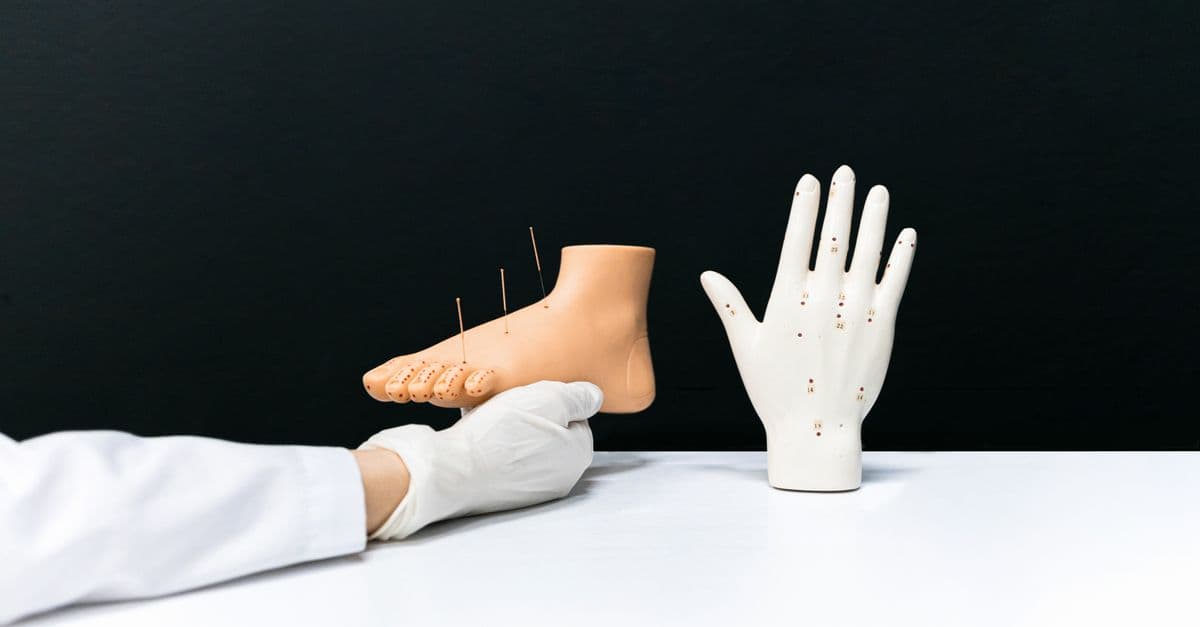
Create evidence-based acupuncture treatment plans that synthesize Traditional Chinese Medicine diagnostics with Western medical findings and patient history. You'll generate customized protocols with specific point recommendations, patient education materials, and professional clinical documentation ready for patient handoff and insurance submission.

Create evidence-based, tailored nutrition programs that meet the specific needs of your target population and community setting. You'll develop culturally appropriate curricula, implementation roadmaps, and evaluation frameworks that address food access barriers, health disparities, and local preferences. The skill generates actionable program designs ready for pilot testing or full-scale rollout.

You develop structured acupuncture treatment plans by conducting thorough TCM assessments and selecting evidence-informed point protocols tailored to each patient's pain presentation and constitution. Claude helps you differentiate syndromes, sequence treatments, personalize protocols based on patient factors, and document clinical progress systematically. This ensures consistent, high-quality treatment planning that integrates traditional principles with modern clinical practice.

Create comprehensive, clinically-sound patient care protocols that seamlessly combine conventional diagnostics with herbal, nutritional, and lifestyle interventions. You receive structured protocols with evidence citations, safety considerations, patient education components, and monitoring frameworks tailored to specific health conditions or patient populations.
Use this skill to run comprehensive digital health assessments that gather client lifestyle, medical, and behavioral data, then automatically generate personalized wellness plans grounded in evidence-based behavior change principles. The skill creates actionable, realistic goals tailored to your client's circumstances and readiness for change, complete with progress tracking tools and structured accountability protocols.
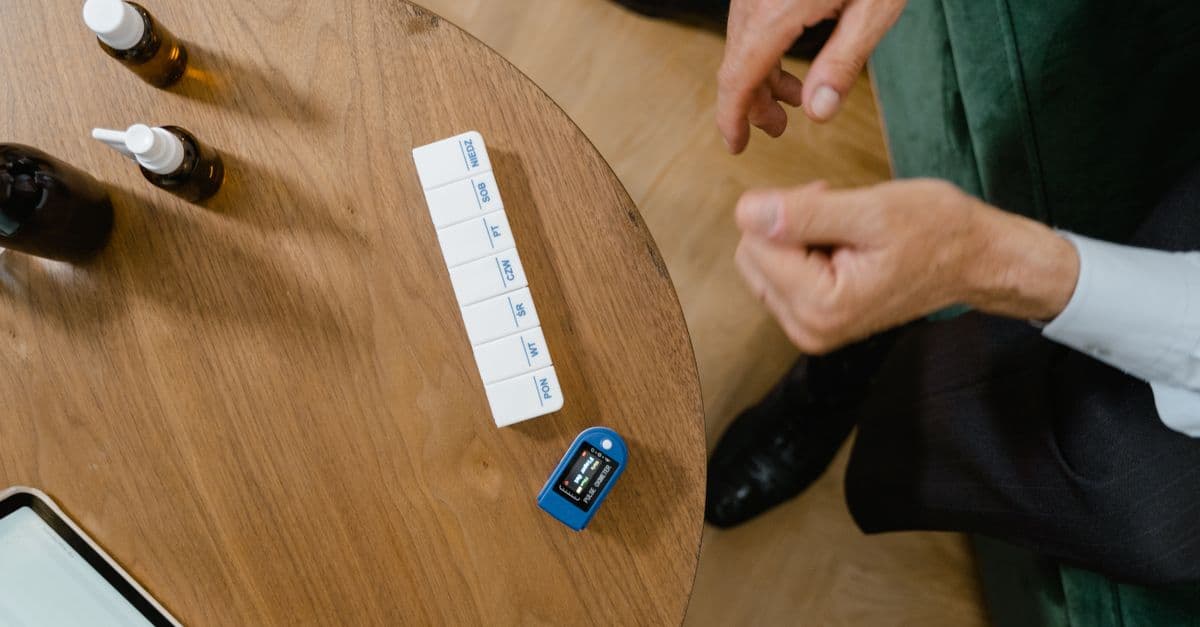
Create comprehensive, evidence-based care plans tailored to individual patient profiles, complete with disease-specific education materials and behavior-change interventions. Generate actionable coaching scripts, progress tracking tools, and patient-ready resources that support medication adherence, lifestyle modification, and self-management skills for chronic conditions.

Generate comprehensive, personalized wellness plans tailored to individual client health profiles, goals, and lifestyles. You provide client information and Claude creates detailed, evidence-based plans including nutrition protocols, exercise routines, behavioral strategies, and progress tracking tools. Plans are customized for remote delivery with built-in accountability and monitoring mechanisms.