


Data Center Network Architecture Design & Optimization
Design and optimize enterprise data center networks with AI-powered architecture validation

What You Can Do
Get a complete data center network architecture designed from scratch or optimized from your existing setup. You provide your requirements (scale, workload, compliance), and Claude analyzes technical constraints, evaluates design patterns, generates detailed architecture diagrams, validates against compliance standards, and identifies optimization opportunities. The result is a production-ready network design with cost-benefit analysis and implementation roadmap.
Features
Create complete network topologies (core, distribution, access tiers) tailored to your data center scale and workload requirements
Verify designs against regulatory standards (ISO 27001, SOC 2, PCI-DSS, HIPAA) and document compliance mapping for audit trails
Evaluate alternative network patterns (spine-leaf, mesh, three-tier) with trade-off assessment for performance, cost, and resilience
Calculate bandwidth requirements, redundancy levels, and growth headroom based on application workloads and SLA targets
Identify single points of failure, validate recovery procedures, and recommend redundancy strategies for each network layer
Compare architecture options with total cost of ownership estimates, CapEx, OpEx, and performance gains per design choice
Provide phased migration steps, dependency sequencing, and risk mitigation for moving from current to target architecture
Example Output
Example 1: Spine-Leaf Architecture for Multi-Tenant Cloud
Design Overview
- 8x 400G core spine switches, 48x 100G leaf switches organized in 4 POD groups
- East-West bandwidth: 9.6 Tbps aggregate (non-blocking)
- North-South bandwidth: 1.92 Tbps (75% oversubscription)
Compliance Mapping
- ISO 27001: Network segmentation (VLAN isolation), encryption (TLS 1.3 transit), logging (syslog to SIEM)
- PCI-DSS: Cardholder data zone segmentation, IPS/IDS monitoring, secure access controls
Cost Projection
- Switch hardware: $4.2M, Cabling/install: $800K, Year 1 OpEx: $180K
- vs. three-tier design: saves $900K CapEx, reduces power by 40 kW annually
Example 2: Edge Network Optimization
Failure Mode Analysis
- Single ASN connectivity: Mitigated by dual-ISP BGP, 99.99% uptime SLA achievable
- Switch hardware failure: LACP bundles with 4x 40G links, recovery time <50ms
Implementation Roadmap
- Phase 1 (Q1): Pilot spine-leaf in POD-1, run parallel with legacy network
- Phase 2 (Q2): Migrate tenant workloads in batches, validate traffic patterns
- Phase 3 (Q3): Decommission three-tier infrastructure, full cutover
Risk Mitigation
- Pre-staging: Full lab validation, chaos engineering tests
- Rollback plan: 48-hour parallel operation window
- Monitoring: Enhanced alerting during cutover, 24/7 NOC coverage
What's Included
- Network Architecture Diagram: Visual topology of your network design including device types, connections, bandwidth capacities, and layer organization
- Technical Specification Document: Detailed requirements for each network component (switch models, routing protocols, failover mechanisms, QoS policies)
- Compliance Audit Report: Mapping of your design to relevant standards (ISO 27001, SOC 2, PCI-DSS, HIPAA) with remediation steps for any gaps
- Cost-Benefit Analysis: Comprehensive financial projection including CapEx, OpEx, ROI, and performance gains compared to alternative architectures
- Implementation Roadmap: Phased migration plan with sequencing, dependency analysis, risk mitigation, and rollback procedures
- Failure Mode Assessment: FMEA-style analysis of each component with impact rating, recovery strategies, and redundancy recommendations
Who It's For
- Enterprise Infrastructure Architects
- Data Center Operations Leaders
- Network Engineering Managers
- Cloud Infrastructure Teams
- Compliance and Risk Officers
Best For
- Designing new data center network topologies
- Optimizing existing architectures for cost and performance
- Validating compliance requirements for regulated workloads
- Evaluating alternative network patterns before implementation
- Planning capacity growth and failure recovery strategies
You might also like

You upload OTDR (Optical Time Domain Reflectometer) test traces or raw test data, and this skill interprets the results to identify fault locations, measure signal degradation, and recommend remediation steps. It accelerates troubleshooting by automating trace analysis and generating professional diagnostic reports that pinpoint connector losses, splice issues, and cable faults with exact distance measurements.
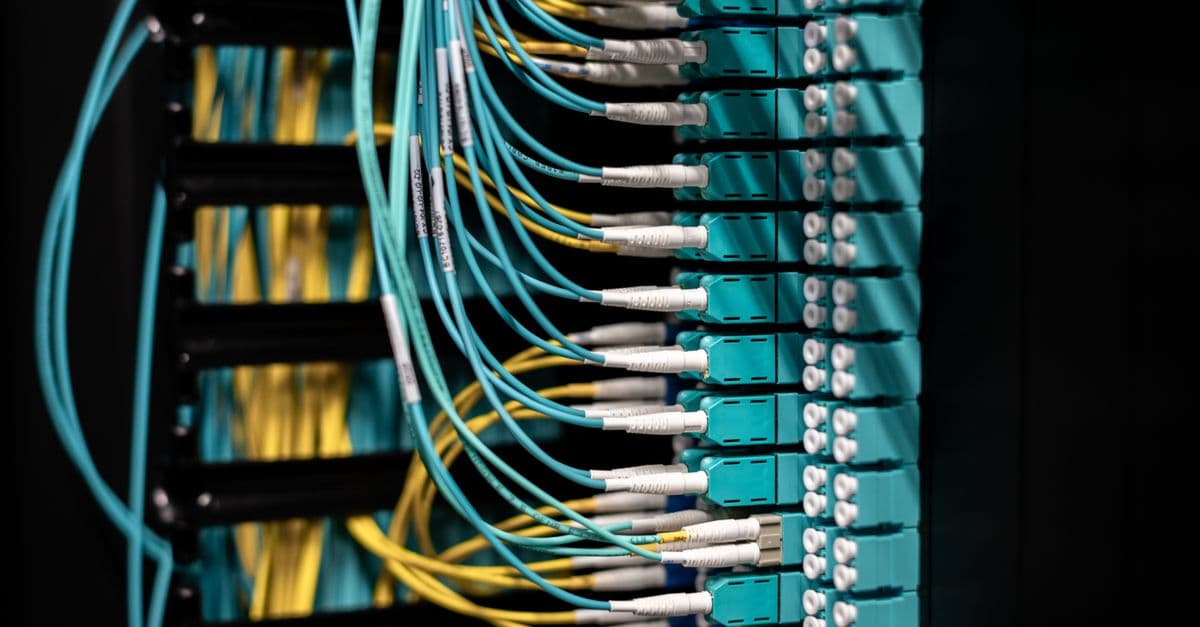
You can upload fiber optic test data (OTDR, reflectance, attenuation measurements) and receive automated analysis with root cause identification, performance metrics, and optimization recommendations. The skill generates professional troubleshooting reports highlighting problem areas, estimated repair costs, and compliance status against industry standards like TIA-942 and IEC 60793.

Calculate complete microwave link budgets including transmit power, antenna gains, path losses, noise figures, and system margins. Analyze RF component performance specifications, verify atmospheric conditions, and predict link availability. Generate structured design documentation with verification checklists and performance recommendations.

This skill assesses electromagnetic compatibility and interference risks in your product design, identifies compliance gaps against international standards (FCC, CE, RoHS), and generates targeted mitigation strategies. You get a structured compliance roadmap with design recommendations, test planning guidance, and regulatory requirements specific to your product category and target markets.

This skill helps you design efficient fiber optic network routes, estimate project costs, map regulatory compliance requirements, and generate comprehensive deployment documentation. You get detailed route analysis, material cost breakdowns, timeline estimates, and compliance checklists that accelerate planning while reducing risk and identifying cost-saving opportunities.

You can evaluate WAN technologies (MPLS, SD-WAN, DIA, broadband), design resilient multi-site architectures, perform detailed cost-benefit analysis, and assess technology and operational risks. Claude helps you create comprehensive network design recommendations with topology diagrams, technology comparisons, ROI projections, and implementation roadmaps tailored to your business requirements and constraints.
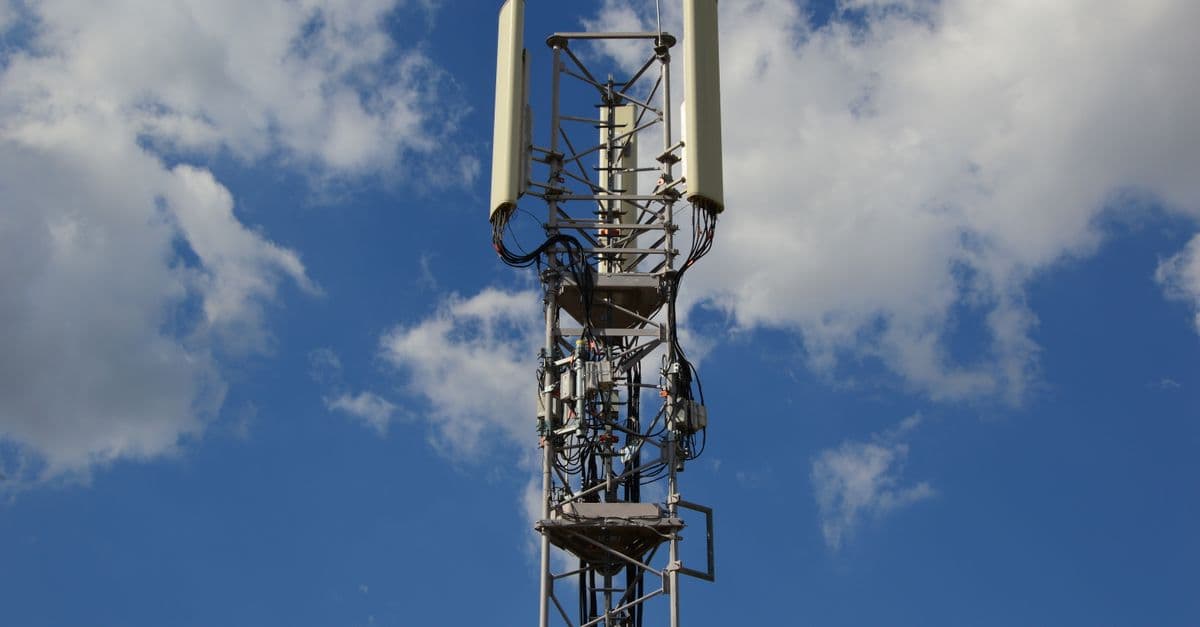
This skill equips you to analyze fiber-to-the-home network architectures, diagnose optical performance problems, and generate comprehensive deployment documentation. You can evaluate network requirements, calculate capacity metrics, identify bottlenecks, and produce professional technical reports that guide installation and optimization efforts.

Get expert guidance on antenna design, from type selection to performance optimization. This skill walks you through electromagnetic calculations, feed network analysis, and construction considerations to help you design antennas that meet your frequency, gain, and bandwidth requirements. Whether you're working with microstrip patches, dipoles, or horn antennas, you'll receive step-by-step design recommendations tailored to your specifications.