


Community Stakeholder Impact Assessment & Relations Management
Assess production impact on communities and build stakeholder buy-in with documented mitigation p...
 by digital-scienceEntertainment & Performing ArtsFilm & Televisionocation ManagerCommunity Relations
What You Can Do
You can conduct comprehensive community impact assessments that identify disruptions (noise, traffic, parking, visual intrusion) alongside potential benefits (employment, local spending, tax revenue). The skill guides you through stakeholder mapping, concern prioritization, and the creation of transparent communication plans paired with concrete mitigation strategies. You'll move from reactive complaint management to proactive engagement, turning potential opposition into project advocacy while building documentation trails that protect both production and community interests.
Features
identify and categorize all affected community groups, decision-makers, and influencers by impact level and priority
systematically evaluate production disruptions across noise, traffic, parking, visual, economic, and social dimensions
develop audience-specific messaging that demonstrates understanding of concerns and commitment to mitigation
create concrete, measurable strategies (scheduling adjustments, traffic control, local hiring initiatives, community benefits agreements) tied to specific impacts
maintain organized records of community meetings, agreements, commitments, and compliance tracking for permits and future leverage
prepare responses to common neighborhood concerns with data-backed evidence and alternative solutions
track ongoing stakeholder touchpoints, follow-ups, and goodwill-building activities throughout production
craft transparent public statements that acknowledge impacts while positioning the production as a responsible neighbor
Example Output
Stakeholder Impact Summary:
- Residential neighborhood (5 blocks): High noise impact during night shoots (days 4-8), mitigation = modified hours + sound barriers + $500 community fund
- Local merchant association: Moderate parking impact, mitigation = dedicated production lot + employee shuttle + advance merchant briefing
- Elementary school 2 blocks away: Low direct impact with prep work, mitigation = filming schedule coordination + school liaison contact
Communication Plan Sample: To Residents: "We're filming June 4-12 with careful attention to your community. Peak activity is 6am-6pm (school hours). We're hiring 12 local crew members and using certified traffic control. Questions? Contact [name] at [number]."
Mitigation Tracking Checklist: ✓ Sound monitoring protocol established ✓ Community liaison assigned and available ✓ Local hiring targets: 15% of crew positions ✓ Post-production cleanup scheduled ✓ Follow-up survey planned for feedback integration
What's Included
- SKILL.md instruction file: comprehensive workflow for impact assessment and stakeholder engagement
- Stakeholder mapping template: identify, categorize, and prioritize all affected community groups with contact tracking
- Impact assessment matrix: evaluate production effects across 7 dimensions (noise, traffic, parking, visual, economic, social, security)
- Communication plan framework: audience-specific messaging templates, objection responses, and transparency talking points
- Mitigation strategy checklist: concrete, actionable mitigations linked to identified impacts with tracking and compliance documentation
Who It's For
- Location managers — securing permits and maintaining neighborhood relationships for future productions
- Unit production managers — managing community-related risks and scheduling adjustments that affect production timelines
- Production assistants (community liaison) — frontline stakeholder communication and complaint resolution
- Executive producers — demonstrating community stewardship for corporate reputation and permit renewal leverage
- Location scouts — evaluating neighborhood dynamics and relationship potential during site selection
Best For
- Pre-production neighborhood assessments before location commitment
- Developing communication strategies for high-impact filming (night shoots, street closures, visible effects)
- Managing organized community opposition or public hearing preparation
- Creating community benefits agreements and local hiring initiatives
- Documenting mitigation compliance and building future location leverage
You might also like

You can generate detailed budget breakdowns tailored to independent film production realities, including realistic contingencies, cost-optimization strategies, and investor-friendly categorization. The skill handles incomplete crew information, creative role combinations, and multi-source financing scenarios—producing budgets that lenders and equity investors trust for securing financing packages.

You can convert creative briefs into 3-5 distinct visual direction options complete with mood boards, color palettes, and art direction specifications within 48-72 hours. The skill helps you reconcile conflicting stakeholder preferences, establish design hierarchies that reinforce brand messaging, and identify practical production constraints before costly set construction begins. You'll generate presentation-ready assets that demonstrate how product placement, lighting, set dressing, and color strategy work together to achieve commercial objectives.

You can convert TV scripts into comprehensive production breakdowns that identify every requirement—cast, locations, effects, equipment, and crew days—and translate them into detailed department budgets. This skill captures TV-specific variables like episode length, multi-camera vs. single-camera formats, and weekly production cycles to produce line-item budgets suitable for internal planning and investor presentations.
You can generate comprehensive series bibles tailored to specific streaming platforms (Netflix, Apple TV+, Amazon Prime, HBO Max) that position your concept for acquisition while maintaining creative authenticity. The skill accounts for binge-watching patterns, platform-specific content policies, algorithmic hooks, and compressed greenlight timelines that distinguish streaming development from traditional broadcast.
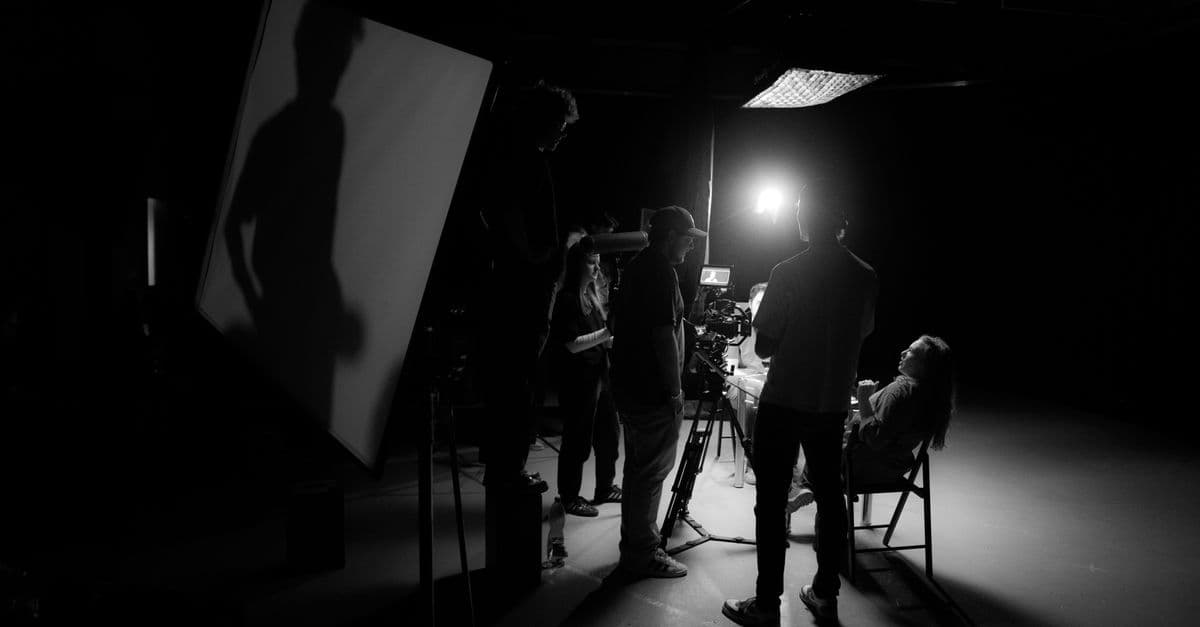
You can feed Claude any commercial script and receive a complete production breakdown that coordinates all departments while respecting budget and timeline constraints. Claude identifies every shot requirement, location need, talent direction, and scheduling opportunity—systematically flagging production challenges and cost-saving strategies that maintain creative impact. This eliminates manual breakdown work and ensures nothing falls through the cracks in compressed pre-production windows.

You'll design quick-change costumes that balance theatrical artistry with mechanical precision, creating specifications for Velcro placement, breakaway techniques, and layer sequencing. Claude helps you document exact dresser choreography, troubleshoot change failures during tech week, and develop backup plans for understudies—ensuring seamless transformations that keep performers safe and the production moving.

You can rapidly generate detailed costume specification sheets with measurements, fabric selections, trim details, and dyeing instructions ready for construction teams. The skill helps you research period-accurate details for any historical era or fictional world, then translates that research into actionable design documents. You'll also create quick-change coordination sheets that sync with choreography timing, solve movement compatibility issues before construction, and develop sustainable costume solutions within budget constraints.

You can rapidly conduct script breakdowns that isolate key production needs, anticipate scheduling bottlenecks, and identify directorial challenges specific to episodic television timelines. This skill translates script analysis into clear technical and creative briefs for your department heads, ensuring alignment on blocking, special requirements, and shot prioritization before principal photography begins.