


Clinical Evidence Synthesis for Practice Change
Synthesize clinical evidence into implementable practice recommendations with critical appraisal.
What You Can Do
You can rapidly synthesize current evidence into sustainable practice improvements while maintaining appropriate rigor for clinical decision-making. This skill streamlines the entire evidence synthesis process—from identifying relevant literature through generating implementable recommendations—reducing synthesis time from weeks to hours. You'll produce structured evidence assessments that address your specific clinical question, critically appraise source quality using nursing-relevant frameworks, and create recommendations calibrated to your practice environment's readiness and resources.
Features
Organize literature findings around your specific clinical question with systematic extraction of study design, quality, and applicability
Evaluate source quality using nursing-relevant assessment tools (GRADE, JBI, or hierarchy of evidence) tailored to clinical context
Translate evidence into specific, actionable recommendations with strength ratings and implementation considerations
Assess recommendations against your practice environment's resources, constraints, and change readiness
Create evidence summaries formatted for committee review, staff education, and protocol development
Identify organizational, clinical, and workflow factors affecting implementation success
Link evidence syntheses to outcome metrics and QI project design for sustainable practice change
Example Output
Example 1: Catheter-Associated UTI Prevention Protocol
Clinical Question: What evidence exists for preventing catheter-associated urinary tract infections in adult ICU patients?
Evidence Summary: 8 studies reviewed (RCTs: 4, quasi-experimental: 3, observational: 1). High-quality evidence supports: avoiding unnecessary catheterization (GRADE: Strong), aseptic insertion technique (GRADE: Strong), and daily assessment for catheter necessity (GRADE: Strong). Moderate evidence for: antimicrobial catheters, specific maintenance solutions.
Recommendation: Implement daily catheter necessity assessment as primary intervention (Strength: Strong, Feasibility: High). Training required: 2 hours for all ICU staff. Expected impact: 30-40% reduction in CAUTI rates based on comparable units.
Example 2: Early Mobilization Post-Cardiac Surgery
Clinical Question: Does early mobilization improve outcomes in cardiac surgery patients?
Evidence Summary: 12 studies (6 RCTs, 6 observational). Strong evidence for improved mobility, reduced hospital length of stay (mean 1.2 days), and lower delirium rates (RR 0.68, 95% CI 0.51-0.91).
Recommendation: Mobilize all cardiac patients to sitting bedside by POD1, ambulation by POD2 unless contraindicated (Strength: Strong, Feasibility: Moderate). Barriers: staffing ratios, patient anxiety. Enable with: PT consultation protocol, staff education on safety, patient education materials.
What's Included
- SKILL.md instruction file: Complete framework for evidence synthesis workflow and critical appraisal integration
- Evidence Assessment Template: Structured table for extracting study design, quality ratings, and key findings from literature
- Critical Appraisal Checklist: Nursing-specific quality evaluation tools aligned with GRADE, JBI, or hierarchy of evidence models
- Practice Recommendation Format: Standardized template for translating evidence into actionable recommendations with strength ratings and implementation guidance
- Feasibility Assessment Worksheet: Framework for analyzing institutional readiness, resource requirements, and implementation barriers/enablers
Who It's For
- Clinical Nurse Specialists developing unit-based protocols and leading evidence-based practice improvements
- Nurse Leaders preparing evidence summaries for practice committees and staff education
- Quality Improvement Coordinators designing interventions grounded in current best evidence
- Interprofessional Committee Members needing synthesized evidence for clinical guideline development
- Nursing Educators creating educational content supported by rigorous evidence synthesis
Best For
- Protocol and guideline development — Rapidly synthesize evidence to support new or updated clinical protocols
- Practice change initiatives — Build evidence foundation for unit-based or system-wide practice improvements
- Quality improvement projects — Identify evidence-informed interventions and expected outcomes for QI design
- Educational program design — Support staff training and competency development with current best evidence
- Interprofessional collaboration — Provide structured evidence summaries for committee decision-making and institutional review
You might also like
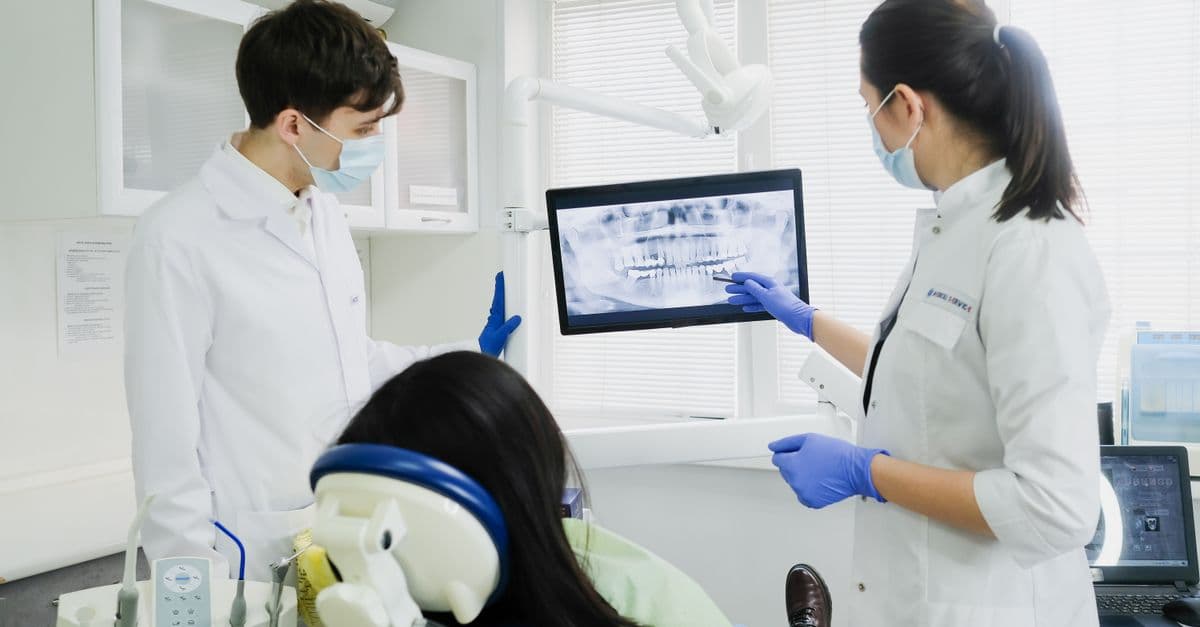
You can systematically analyze complex oral surgical cases by generating comprehensive pre-operative plans that consider osseous anatomy, neurovascular structures, and patient-specific risk factors. Claude structures multifactorial surgical analysis into actionable operative protocols, risk stratification reports, and detailed procedural workflows that reduce surgical time and improve clinical outcomes while providing medical-legal documentation.
 by gptomics
You can systematically generate ranked differential diagnoses for presenting complaints (chest pain, dyspnea, abdominal pain, headache, joint pain, fatigue) by applying evidence-based clinical decision rules and risk stratification. The skill helps you identify red flags that change management priority, justify test selection to supervising physicians, and document diagnostic reasoning in the medical record while reducing anchoring bias and ensuring comprehensive consideration of serious diagnoses.
by gptomics
Conduct comprehensive sports injury assessments using standardized orthopedic tests, mechanism-of-injury analysis, and functional capacity evaluation. You'll document findings in insurance-compliant formats, identify red flags requiring referral, establish objective baseline measurements for progress tracking, and generate evidence-based return-to-play recommendations with clear functional milestones.
by gptomics
This skill guides you through structured psychiatric case formulation using a biopsychosocial framework. You input patient presentation, assessment data, and clinical history, then receive a comprehensive formulation that integrates symptom synthesis, differential diagnosis reasoning, predisposing/precipitating/perpetuating factors, protective factors, and evidence-based treatment recommendations. The output is suitable for clinical documentation, insurance authorizations, case conferences, and supervision.
by gptomics
You can rapidly synthesize complex patient data—comorbidities, functional status, labs, medications—into a comprehensive risk profile and actionable optimization plan. This skill guides you through ASA classification, procedure-specific risk stratification, and patient-centered consent documentation to ensure thorough clinical reasoning and defensible preoperative assessment.
by gptomics
This skill examines three critical domains of your hiring process: job posting language (gendered terms, credential inflation, ableist language), pipeline diversity metrics (representation gaps at each funnel stage), and hiring structure (screening criteria, interview design, decision frameworks). You'll surface bias patterns that discourage qualified candidates and receive concrete recommendations to redesign postings, sourcing channels, and processes for greater equity.
by gptomics
You synthesize current clinical evidence into structured protocols tailored to your specialty and institutional context. This skill helps you build physician-nurse collaborative decision frameworks, identify implementation barriers before rollout, and create adoption guides that account for resource constraints and stakeholder buy-in. You'll develop protocols ready for medical staff committees and bedside teams—not generic templates, but specialty-specific standards that bridge research and practice.
by gptomics
You can create comprehensive, evidence-based perioperative pain management protocols tailored to individual patient characteristics and surgical requirements. The skill assesses patient risk factors, recommends optimized multimodal analgesia regimens with specific drug selections and dosing rationales, incorporates regional techniques when appropriate, and identifies contingency plans for inadequate pain control or contraindications. This enables you to move beyond generic guidelines toward truly personalized pain management strategies that reduce opioid exposure while maintaining analgesia.
by gptomics