

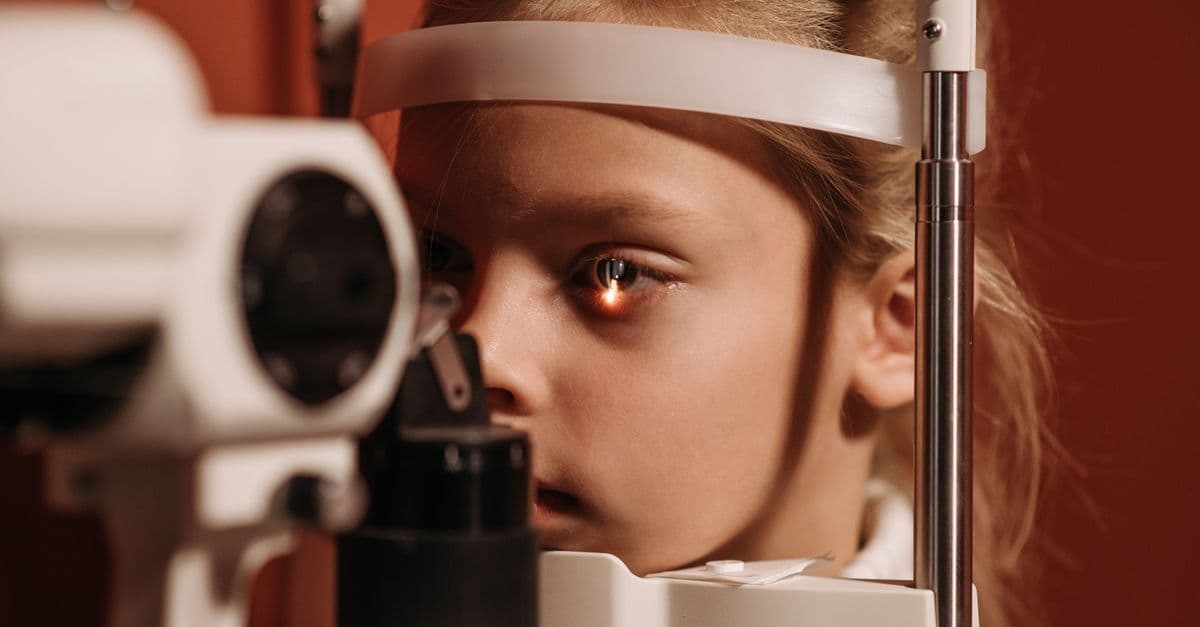
Ophthalmic Diagnostic Result Interpreter
Interpret eye diagnostic tests and generate clinical reports
What You Can Do
Systematically analyze ophthalmic diagnostic test results including visual fields, optical coherence tomography (OCT), fundus photography, and imaging studies. The skill interprets findings within clinical context, generates structured diagnostic reports, and flags abnormal results requiring immediate attention. This accelerates your clinical workflow while ensuring comprehensive documentation of all key findings.
Features
Analyze visual fields, OCT scans, fundus photos, anterior segment imaging, and other common ophthalmic tests with clinically appropriate context and normal reference ranges
Produce structured diagnostic reports that follow clinical documentation standards and integrate seamlessly into patient charts and electronic health records
Automatically identify and highlight abnormal or unexpected results that require ophthalmologist review and potential clinical action
Compare current results with prior studies to assess disease progression, stability, or improvement and quantify rate of change over time
Incorporate patient history, presenting symptoms, and clinical examination findings to provide contextually appropriate interpretation
Extract key metrics and measurements from diagnostic reports for easy reference and integration into clinical decision-making
Provide clinically appropriate suggestions for follow-up testing, treatment escalation, or specialist referrals based on findings
Example Output
Example Visual Field Report
Finding Summary: Binocular superior arcuate defect consistent with glaucomatous optic neuropathy.
Key Metrics:
- Mean Deviation (MD): -8.5 dB (abnormal)
- Pattern Standard Deviation (PSD): 7.2 dB (abnormal)
- VFI: 78% (moderate loss)
Abnormal Areas:
- ✓ Superior nasal step (left eye)
- ✓ Superior arcuate defect (bilateral)
- ✓ Paracentral scotomas
Clinical Impression: Progressive glaucomatous visual field defect. Compare with baseline 6 months ago (MD -4.2 dB) shows 4.3 dB decline — clinically significant progression.
Recommendation: Consider escalation of IOP-lowering therapy. Repeat VF in 3 months to confirm trajectory.
Example OCT Macular Report
Retinal Thickness Analysis:
- Central subfield: 198 μm (reference: 200–250 μm)
- Inferior quadrant: 268 μm (normal)
- Superior quadrant: 271 μm (normal)
- Macular volume: 7.8 mm³ (normal)
Key Findings:
- ✓ Subretinal fluid — 0.3 mm height beneath fovea
- ✓ RPE elevation — irregular contour
- ✓ Hyperreflective material — beneath RPE indicating neovascularization
Clinical Impression: Neovascular age-related macular degeneration (AMD) with acute exudative component and subfoveal involvement. Metamorphopsia and decreased vision consistent with findings.
Recommendation: Urgent referral to retinal specialist for anti-VEGF therapy evaluation.
What's Included
- Test Interpretation Framework: Systematic approach to analyzing 10+ ophthalmic diagnostic modalities with normal ranges, abnormality thresholds, and clinical significance
- Report Templates: Structured templates for diagnostic reports that match institutional documentation standards and support medical-legal requirements
- Abnormality Detection Checklist: Comprehensive checklist ensuring all abnormal findings are identified, documented, prioritized, and flagged appropriately
- Clinical Context Prompts: Guided questions to systematically gather patient history, symptoms, risk factors, and prior results needed for accurate interpretation
- Progression Assessment Tools: Methods to compare serial studies, quantify change, assess clinical significance, and recommend follow-up intervals
- Quality Assurance Verification: Final checklist confirming all key findings are documented, recommendations are clinically appropriate, and reports are complete
Who It's For
- Ophthalmologists
- Optometrists
- Ophthalmic technicians and orthoptists
- Ophthalmic clinical researchers
- Teleophthalmology specialists
Best For
- Interpreting visual field test results
- Analyzing OCT and retinal imaging studies
- Generating diagnostic reports quickly
- Flagging abnormal findings for review
- Tracking disease progression and comparing serial studies
You might also like

You can submit Unity error logs, console output, or performance profiling data to Claude, which applies a systematic debugging framework to identify root causes, categorize issues by severity and type, and provide targeted fixes. Claude analyzes shader errors, physics collisions, memory leaks, and rendering problems with reproducible debugging workflows that accelerate your troubleshooting from hours to minutes.
 by mohi-devhub
Plan efficient PBR texture workflows from baking through material finalization. Troubleshoot common baking issues like normal map seams, ambient occlusion bleeding, and height-to-normal conversion errors. Optimize your material channel layout for performance while maintaining visual fidelity across different engine targets.
by mohi-devhub
Upload your Unreal Engine profiler data and get immediate analysis of CPU, GPU, and memory bottlenecks. You'll receive specific optimization recommendations using Unreal-native techniques, ranked by performance impact, with concrete code changes and architectural improvements tailored to your target platform.
by mohi-devhub
You can analyze your Godot game's profiler output to identify frame time bottlenecks, memory leaks, and inefficient GDScript code. Claude provides actionable optimization recommendations with specific code examples tailored to your game architecture, helping you hit your target frame rate on all platforms.
by mohi-devhub
You can design scalable FMOD event hierarchies, optimize audio scripts for performance, and troubleshoot complex audio implementation issues. This skill guides you through architectural decisions, provides optimization strategies backed by performance data, and delivers step-by-step debugging workflows for audio problems in production environments.
by mohi-devhub
Upload your Wwise profiler data, project logs, or describe integration issues, and Claude analyzes performance bottlenecks, identifies memory leaks, and recommends optimizations specific to your audio architecture. You'll get actionable troubleshooting steps, code suggestions, and best-practice implementations to resolve integration problems faster.
by mohi-devhub
Analyze ophthalmic diagnostic test results (OCT, visual field, topography, biometry) and automatically identify abnormal findings across multiple imaging modalities. You receive structured clinical reports with evidence-based interpretation, differential diagnoses, and actionable recommendations that integrate seamlessly into your patient documentation workflow.
 by skillslib
This skill turns raw Unreal Engine profiler data into actionable performance improvements. Paste your profiling results, frame stats, or code metrics, and Claude analyzes the data like a performance engineer—identifying bottlenecks, explaining root causes, and recommending specific optimizations. Works with Insight profiler dumps, Stat reports, RenderDoc data, and custom performance metrics.
by mohi-devhub